
Wine
Tradition, Variety and Volcanic Flavour
The wines of Gran Canaria stand out for their extraordinary diversity and personality, the result of a unique combination of volcanic soils, varied microclimates and altitudes reaching up to 1,300 metres. With a tradition dating back to the 16th century and the recognition of its own D.O.P., the island has an exceptional singularity: having escaped the phylloxera plague, it preserves ungrafted vines with a genetic purity unique in the world. This richness is reflected in long-lived and complex wines, produced from 33 varieties (26 of them local), faithfully expressing the natural and cultural identity of the Canarian landscape.
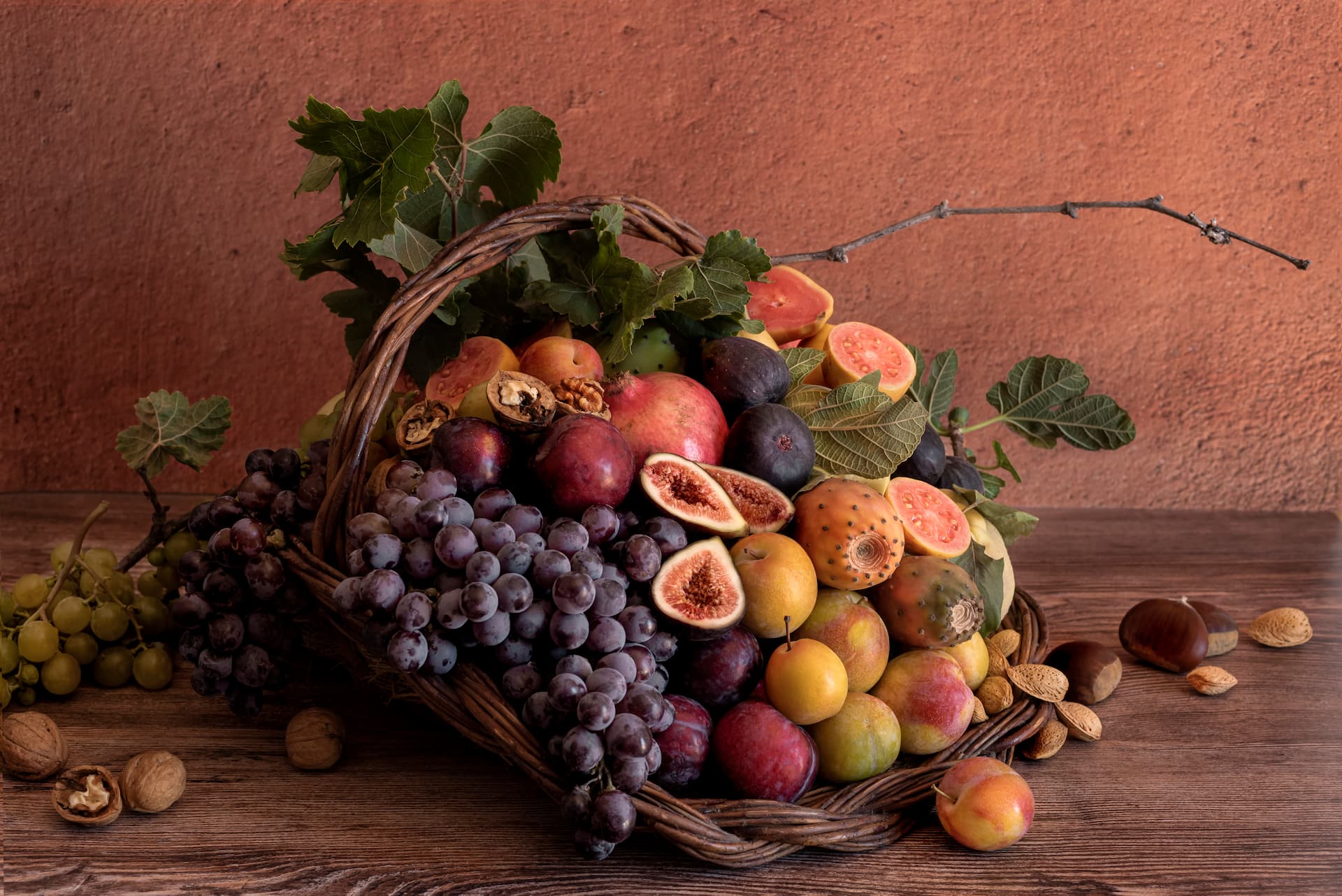
The island’s varietal wealth and its distinctive natural conditions allow for the production of a wide range of wines: characterful reds, fresh and fruity whites, semi-dry, semi-sweet, sweet, liqueurs and rosé wines.
Red Wines
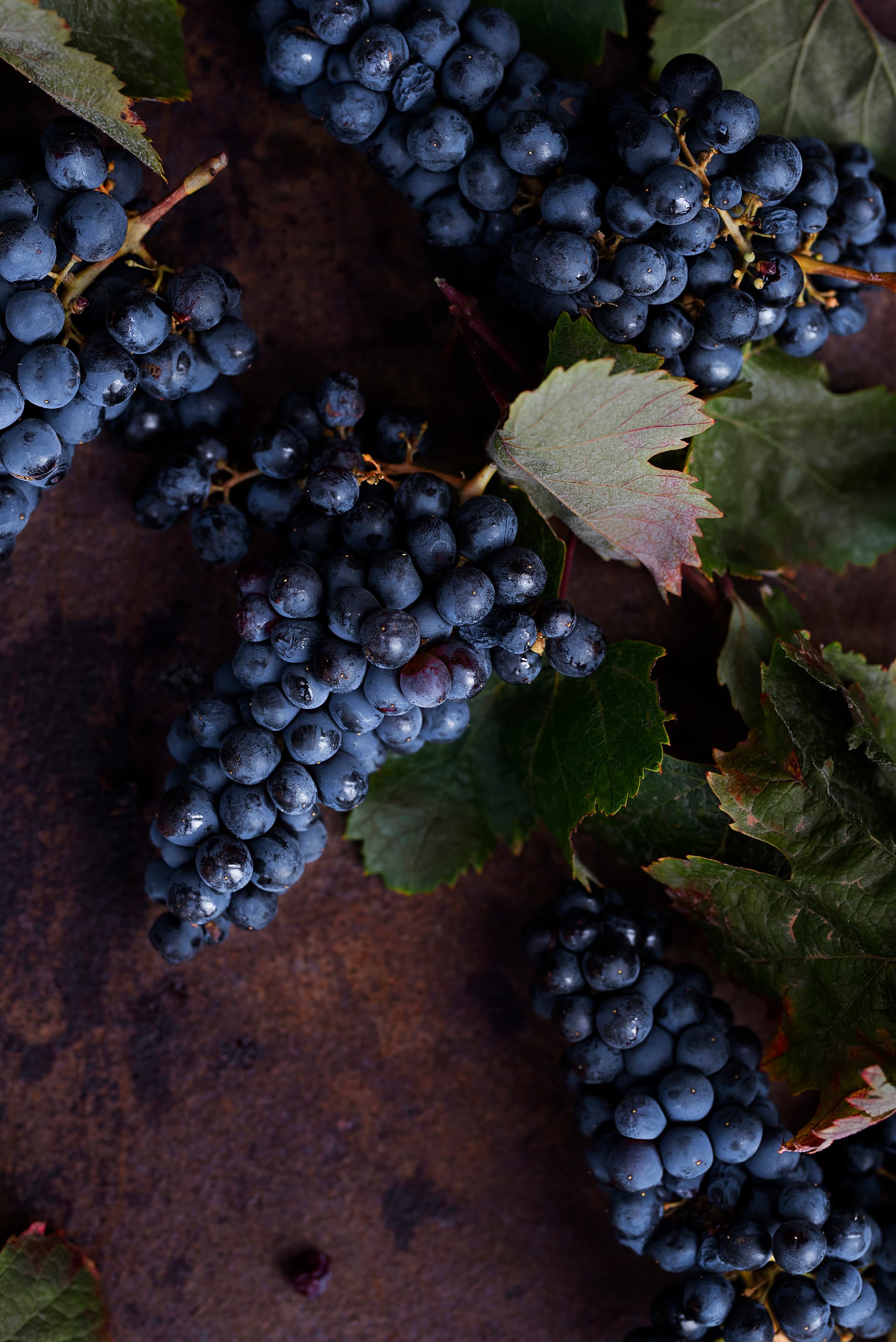
Gran Canaria’s red wines range in colour from burgundy to cherry or ruby, with violet hues and a medium to very deep intensity, clear and bright. On the nose, they are expressive, with notes of red fruit, spices, tobacco or chocolate, while those aged in oak develop additional nuances of clove, liquorice, vanilla or cinnamon. On the palate, they show flavours of red fruit; they are intense, balanced and persistent, with smooth tannins.
The Monte Lentiscal region is the historic heart of the island’s wine-growing culture, where red wines predominate. Here, traditional systems, with vines spread across volcanic ash, coexist with trellised cultivation, which facilitates vineyard work and improves plant health. The rest of the island (which accounts for a greater number of wineries and litres of wine, although in a more dispersed way). The most abundant variety is Listán Negro, although Negramoll and Tintilla are also cultivated, particularly in municipalities such as San Mateo, Telde, Valsequillo and Teror.
White Wines
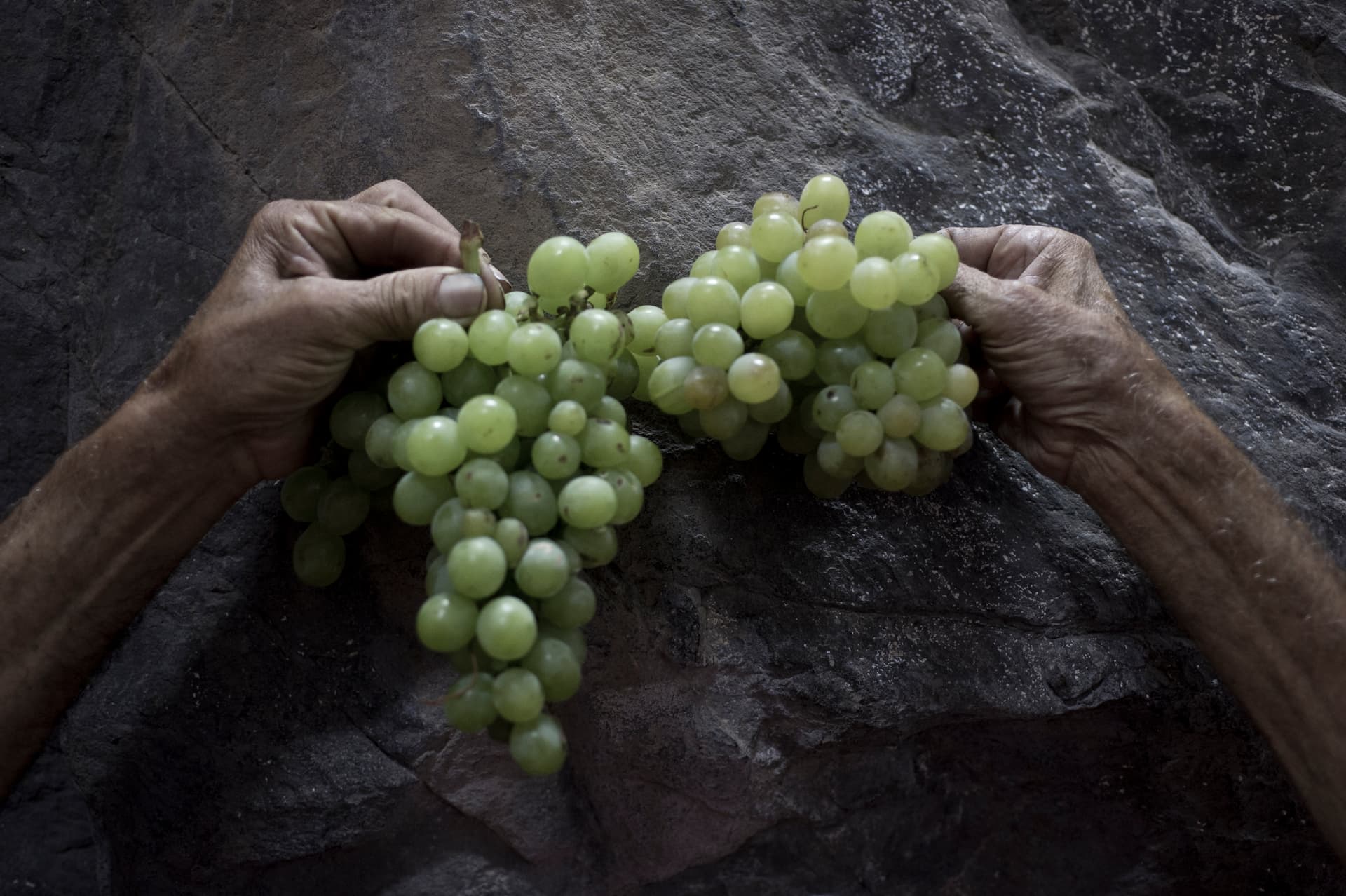
Gran Canaria’s white wines are clear and bright, with pale straw-yellow tones, with edges ranging from greenish to golden. On the nose they present aromatic intensity from medium to very high, with fresh and fruity profiles. On the palate they are light, balanced and very pleasant, ideal both to accompany fish and seafood and to be enjoyed on their own.
The southern areas and the island’s highlands concentrate most of the production of whites, although in Monte Lentiscal there is also a tradition of producing them. The most used varieties are Listán Blanco, Moscatel and Malvasía, sometimes combined to obtain more aromatic and complex wines.
Sweet and Liqueur Wines
Sweet wines have always been highly appreciated in the Canary Islands, and in Gran Canaria their tradition is concentrated in Monte Lentiscal, although with limited production. Already at the beginning of the 20th century some wineries, such as that of San Juan del Mocanal, bottled these types of wine.
The main grape variety is Moscatel, very rich in sugar, often combined with Malvasía. Hence the expression “muscatel wine” becoming popular, although in reality it includes sweet and fortified wines.
In Gran Canaria, almost all sweet wines are white, made from Muscatel and Malvasía Aromatica, varieties that have been cultivated on the island for centuries.
From Coast to Summit: The Wines of Gran Canaria
Gran Canaria’s geographical diversity gives rise to wines produced in many different styles. In general terms, however, a distinction can be made between those produced from grapes grown at low altitude and those made from high-altitude vineyards in the island’s interior, with an almost alpine character.
These are wines that can be enjoyed young, but in good vintages they also gain elegance ageing in barrel and bottle. Some of them, produced around Monte Lentiscal and Pico de Bandama, are known as “mountain red wines” and form part of the island’s most traditional winegrowing landscape.
In the valleys and inland slopes of the island, red wines take on a different character. There, the cooler climate and significant temperature variations allow for lighter-coloured, lighter-bodied reds that are highly aromatic and expressive, in which the Vijariego Negro variety takes centre stage. Listán Negro is often used to produce fresh, vibrant rosés.
As for whites, dry and semi-dry wines from low-altitude vineyards are usually made mainly from Listán Blanco, Malvasía Aromática or Moscatel, or from blends of these varieties. These grapes are generally harvested at night and fermented in stainless steel, with the aim of producing wines intended to be enjoyed young.
High-altitude whites, in turn, stand out for their freshness and complexity. The result is White wines with tropical and fruity aromas, creamy on the palate and a persistent finish, well suited to pairing with both traditional Gran Canaria cuisine and its fine dining.
A Unique Gastronomic Legacy
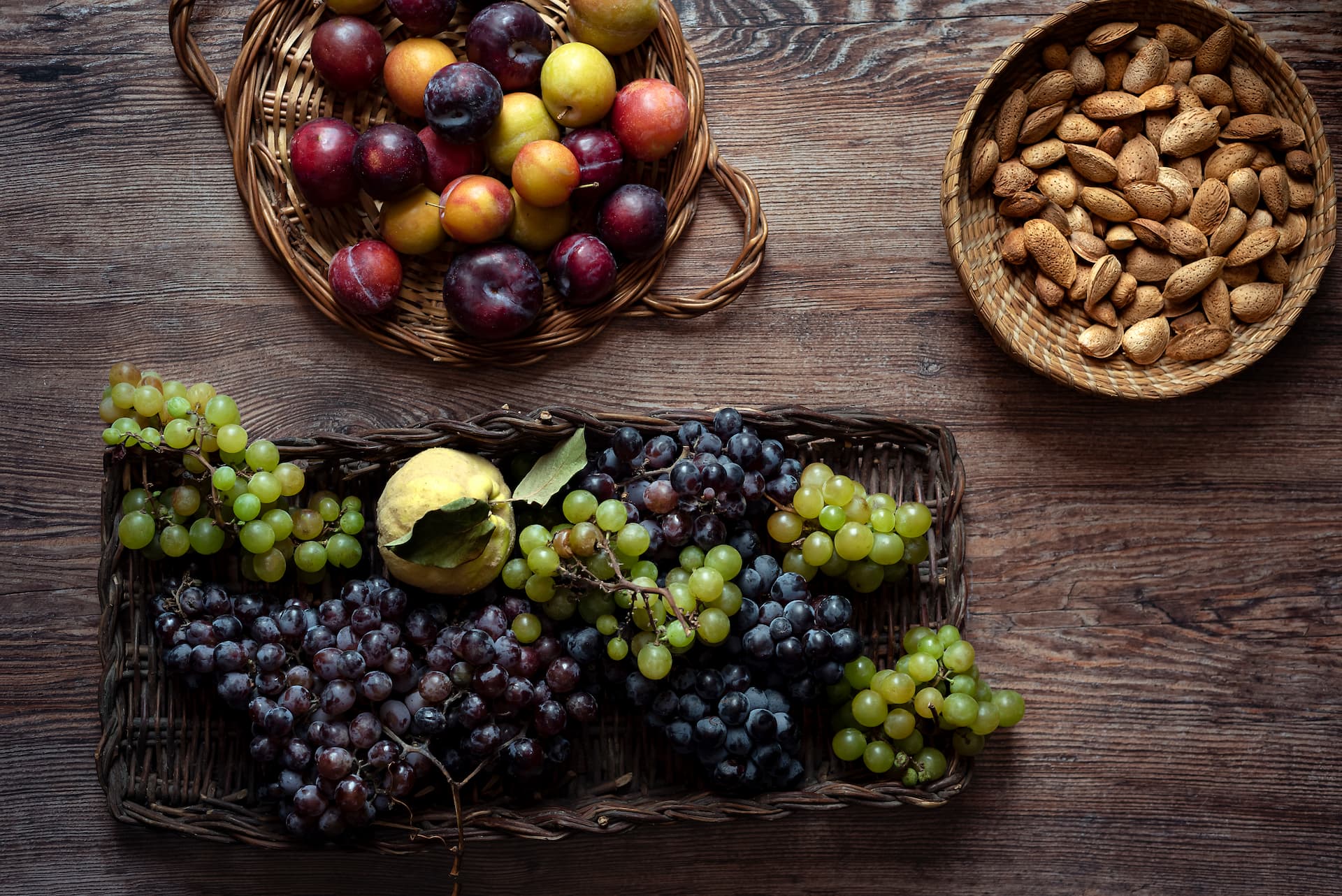
The wines of Gran Canaria are the result of a unique territory, shaped by its volcanic origin, a diversity of microclimates and a valuable heritage of native grape varieties. The combination of soils, extreme altitudes and a centuries-old winemaking tradition gives rise to wines with a distinct identity, recognised for their quality, authenticity and character.
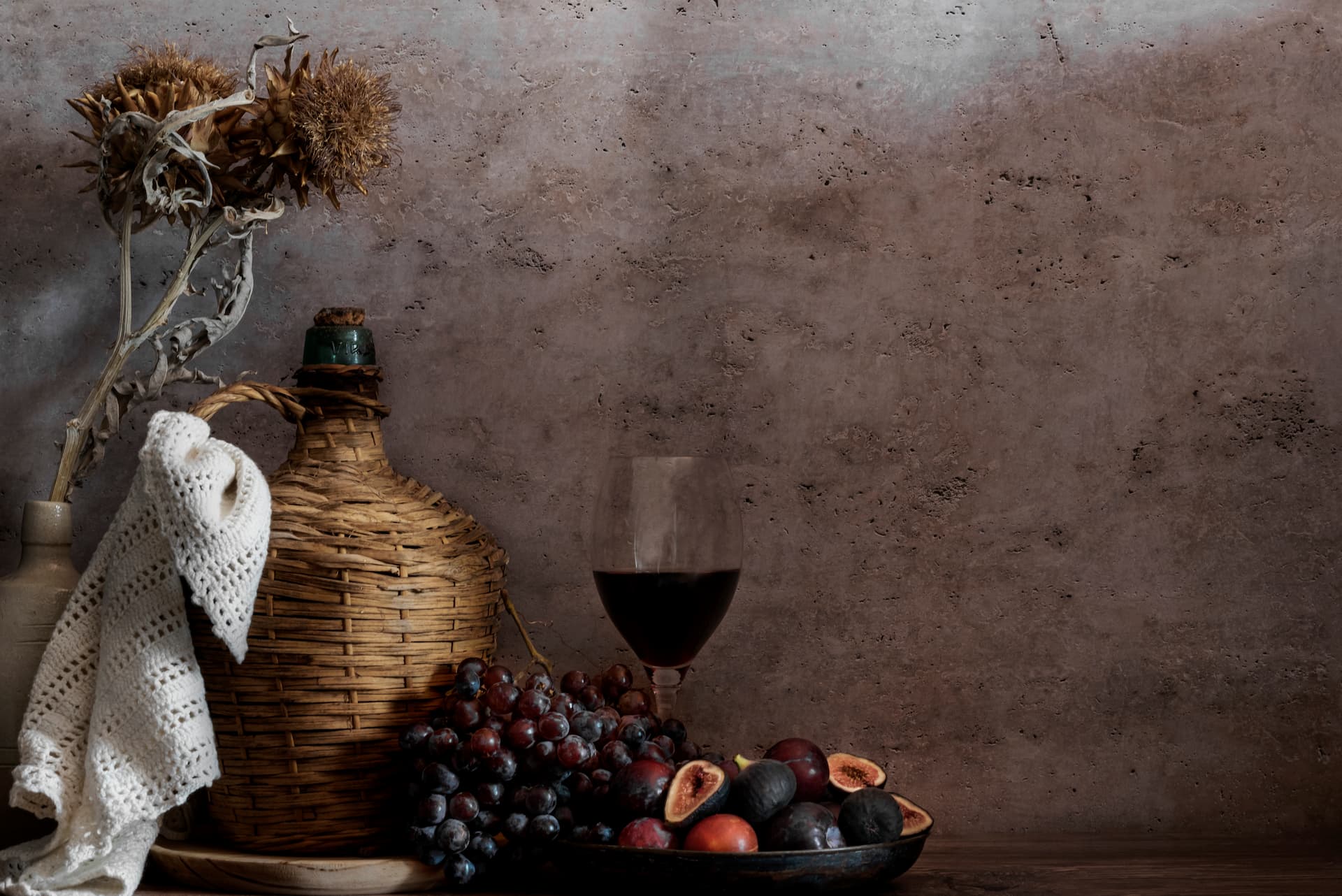
In short, the wines of Gran Canaria are a living expression of the island’s landscape and culture. Integrated into its gastronomy and tourism experience, they invite visitors to discover Gran Canaria from a different perspective. One in which nature, history and flavour come together in every glass.