
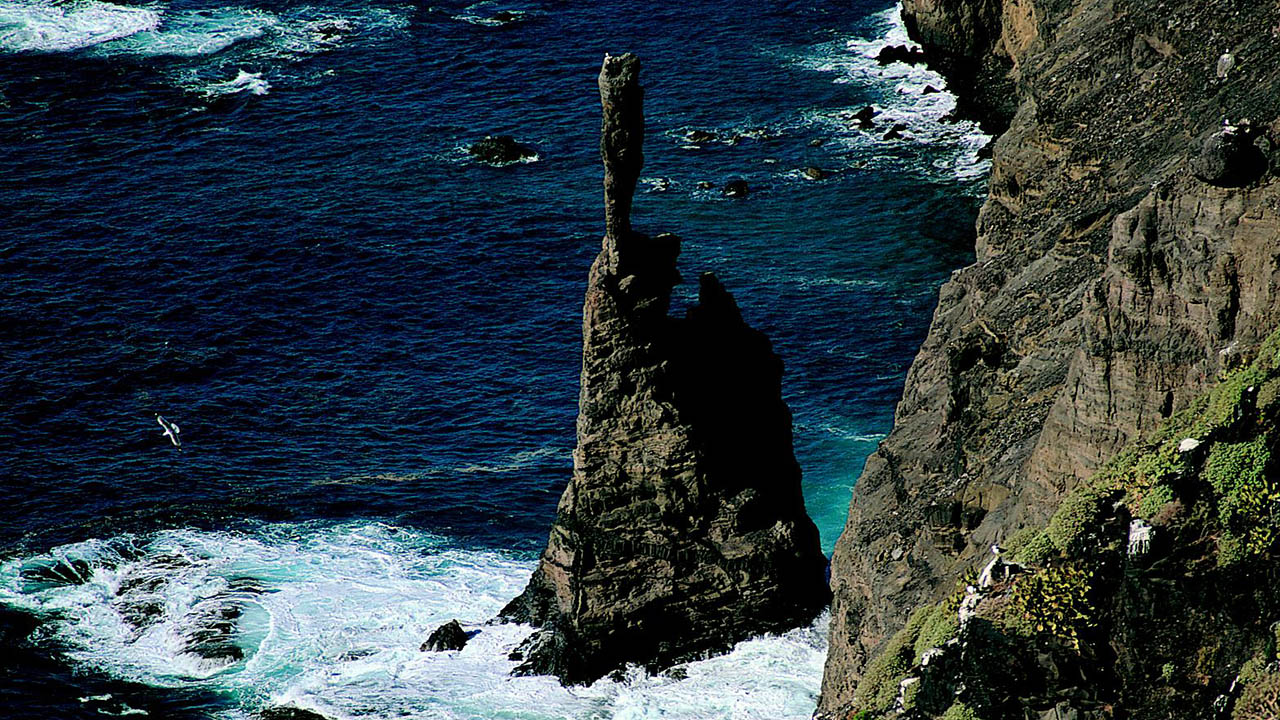
El Dedo de Dios and the Roque Partido: Two names for the same symbol
The rock formation at the Port of Las Nieves, in Agaete lost its pinnacle in 2005, yet it still preserves the beauty of nature’s great works of art.
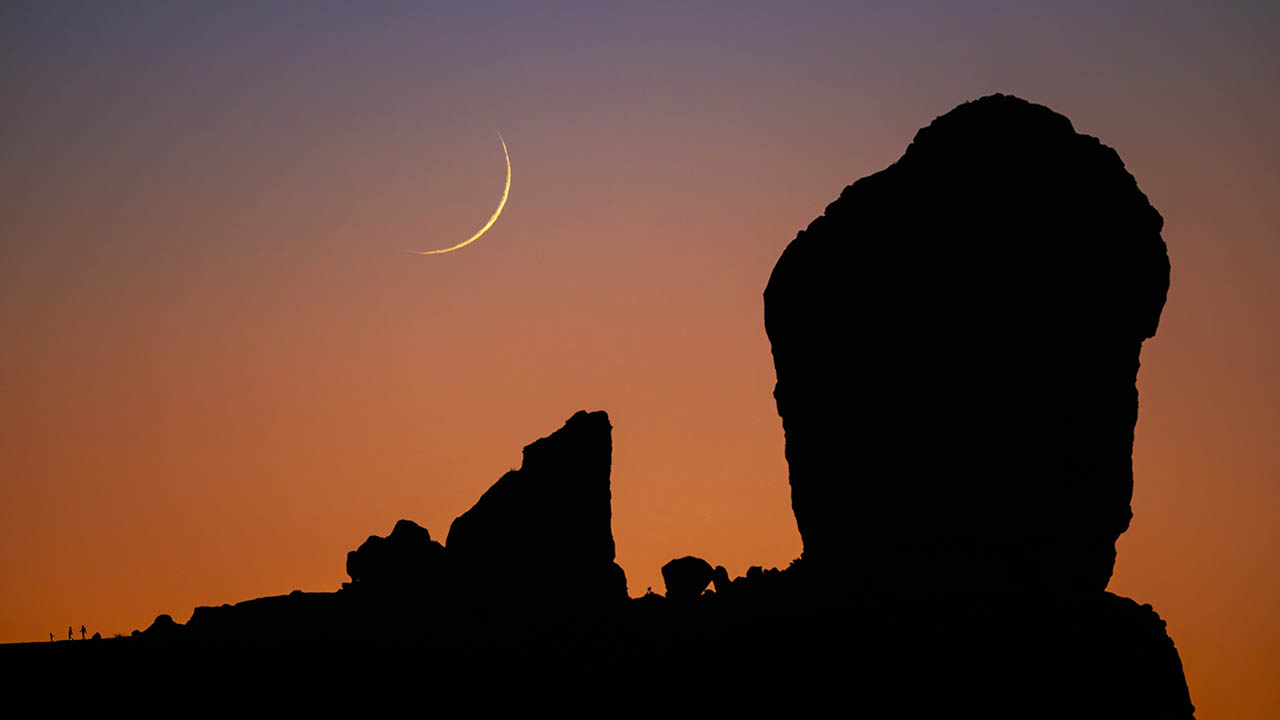
In Agaete it was always called the Roque Partido (‘Broken Rock’). Dedo de Dios (‘God’s Finger’) was the name given to it by Domingo Doreste, also known as Fray Lesco, the same man who spoke of Gran Canaria as a continent in miniature. This rock formation truly has something divine about it, it always has. We felt it twenty-five years ago, before tropical storm Delta brought down its upper pinnacle, and we still feel it now, in the shapes being created by the erosion of wind and ocean.
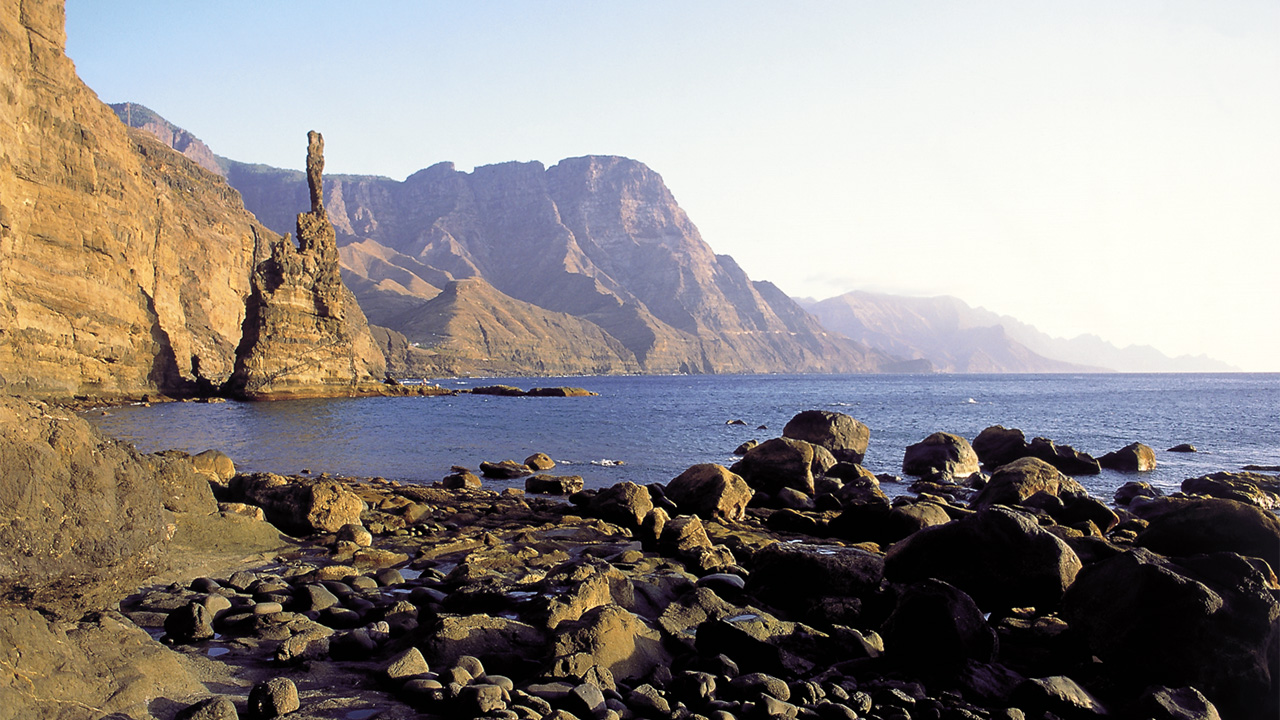
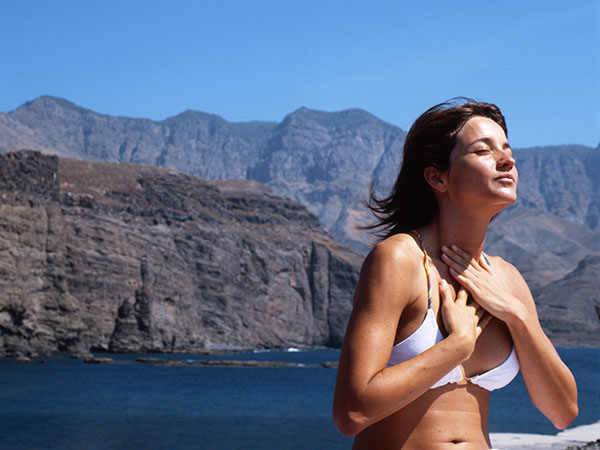
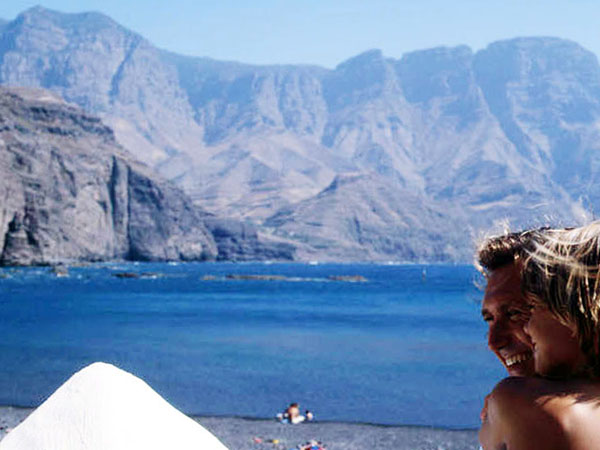
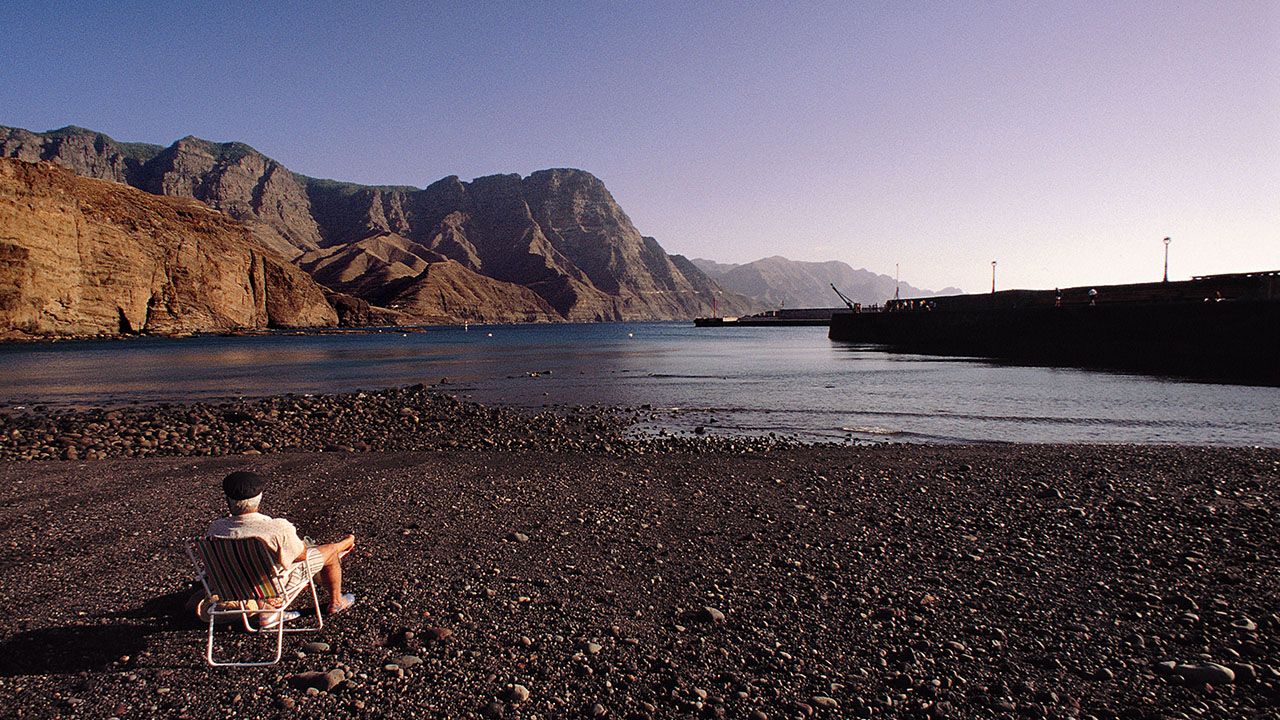
Then and now, El Dedo de Dios hides among the cliffs it once formed part of, near Las Merinas, between the Old Pier and Guayedra, beneath the Antigafo, always with the Teide facing it, and the Dragon’s Tail of La Aldea appearing when our gaze stretches towards the coastal horizon. The setting itself holds beauty, the colour of the water, the Atlantic breeze, and the colours of the stones that change with every dusk, with every unforgettable sunset gifted to us by the Port of Las Nieves in Agaete.
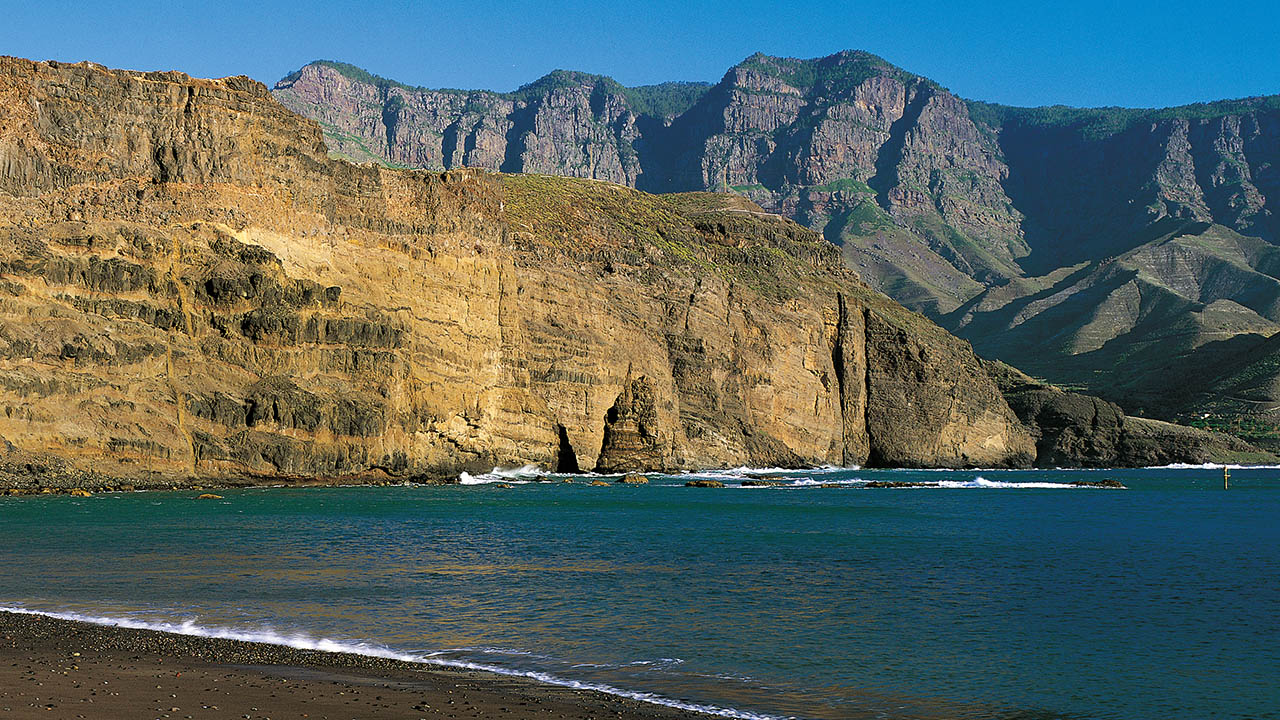
If we want to see it, all we need to do is lean out from the Old Pier, listening to the murmur of the water crashing against any one of the three stairways, and there it will appear like an Atlas held in time, carrying the memory of those of us who saw it when it was still whole, and with the emotion that always belongs to what seems broken, with the strength of the resilient.
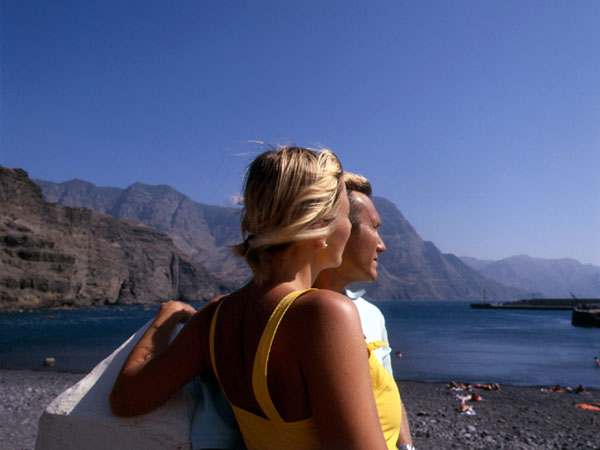
The Venus de Milo has no arms and is today almost a gold standard when it comes to measuring beauty. What cannot be seen is supplied by those of us who look, what we know belongs in that space left behind, so that each person can invent their own idea of art, just as we have always done with the Roque Partido: a divine finger for Fray Lesco, or a giant, protective totem for the sailors who sail close to its ancient silhouette.
If you are in Gran Canaria, one must always travel to the Port of Las Nieves and, once there, seek out the Roque Partido, letting the gaze lose itself in its eroded contours. At the same time recognising the passage of time that has sculpted, with the insistence of waves and wind, one of those symbols through which human beings root ourselves more firmly to the shore, close to the ocean, or already within it, where the pinnacle that once crowned our Atlantic dreams now lies dormant.
Comments are disabled for this post.