
Blog Oficial de Turismo de Gran Canaria

‘Dedo de Dios’ in Agaete

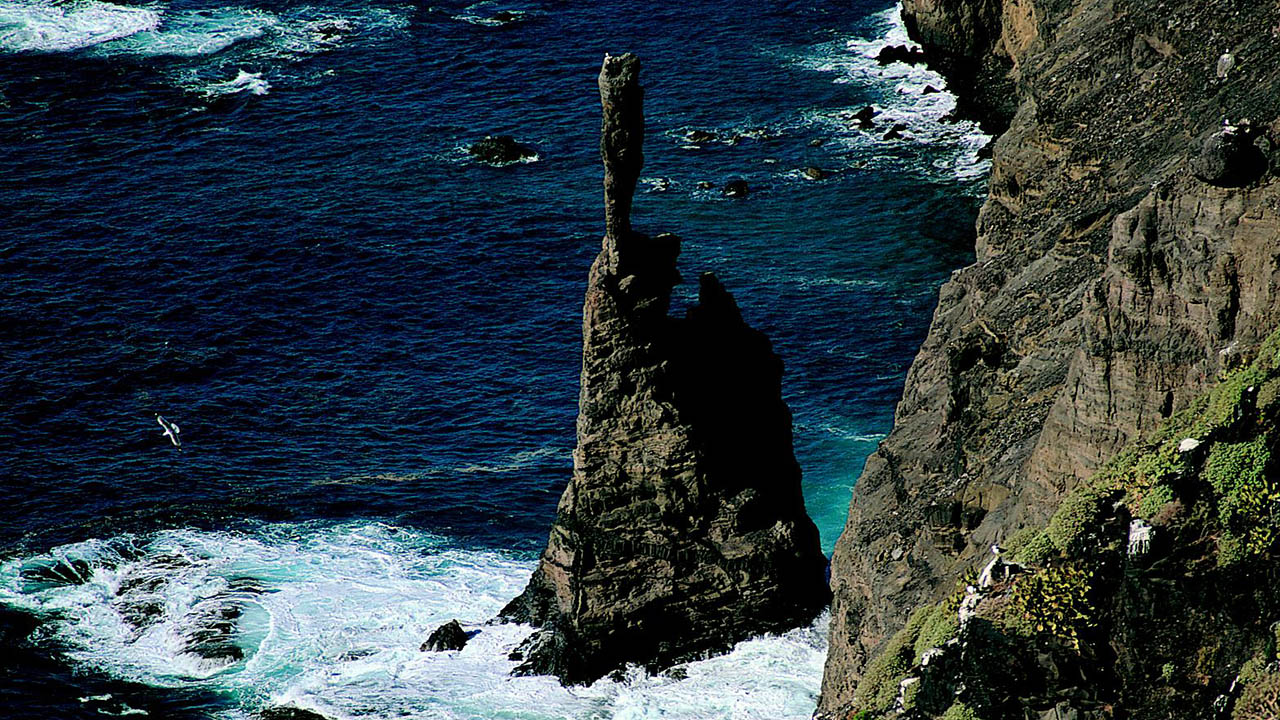
El Dedo de Dios and the Roque Partido: Two names for the same symbol

The rock formation at the Port of Las Nieves, in Agaete lost its pinnacle in 2005, yet it still preserves the beauty of nature’s great works of art.

In Agaete it was always called the Roque Partido (‘Broken Rock’). Dedo de Dios (‘God’s Finger’) was the name given to it by Domingo Doreste, also known as Fray Lesco, the same man who spoke of Gran Canaria as a continent in miniature. This rock formation truly has something divine about it, it always has. We felt it twenty-five years ago, before tropical storm Delta brought down its upper pinnacle, and we still feel it now, in the shapes being created by the erosion of wind and ocean.


Agaete, Gran Canaria

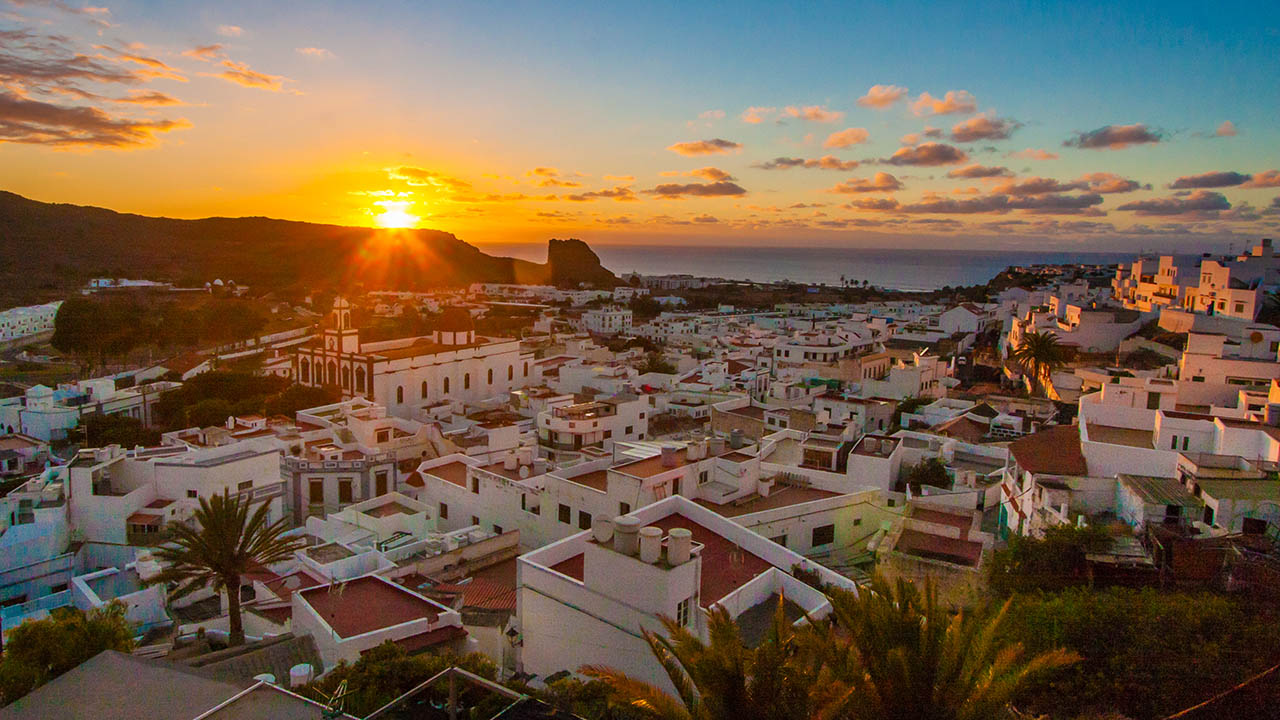
Agaete, the Measure of Beauty in Gran Canaria

The World Tourism Organization (UN Tourism) names the Gran Canaria municipality the Best Tourism Village 2025.

Agaete is a verse by Tomás Morales, a brushstroke from a luminous painting by Pepe Dámaso, the sound of oars slicing through the ocean waters. It is the early-morning crack of a firework, the cheerful bustle of music and papagüevos, a sunset gazing towards Mount Teide. It is a play of colours that changes every day, the Faneque cliff rising over the Atlantic; it is the sea, the trace of an ancient aboriginal culture, Malpaís and Maipés. It is a lush valley, it is coffee, mango, orange and papaya; it is fish, it is the crab that peeks out as the waves break. It is El Juncal, the devotion to the Flemish painting of the Virgin of Las Nieves, it is Faneroque, Antigafo, El Risco – and the majesty, energy and magic of Guayedra Beach.

Dunas de Maspalomas, Gran Canaria

Seven secrets whispered by the Maspalomas sands

The Maspalomas Dunes Special Nature Reserve is brimming with nature and history to be discovered and protected

1. The birth of a dune
Each dune in Maspalomas tells a story. They are wandering mountains, each with their very own biography. They come from the sea in search of the sky. These sand formations are daughters of the elements that combine to create them. Firstly, the sea currents leave sand on the shore. The sun in the south of Gran Canaria plays its part by drying them, then the wind drags them inland.