Blog Oficial de Turismo de Gran Canaria

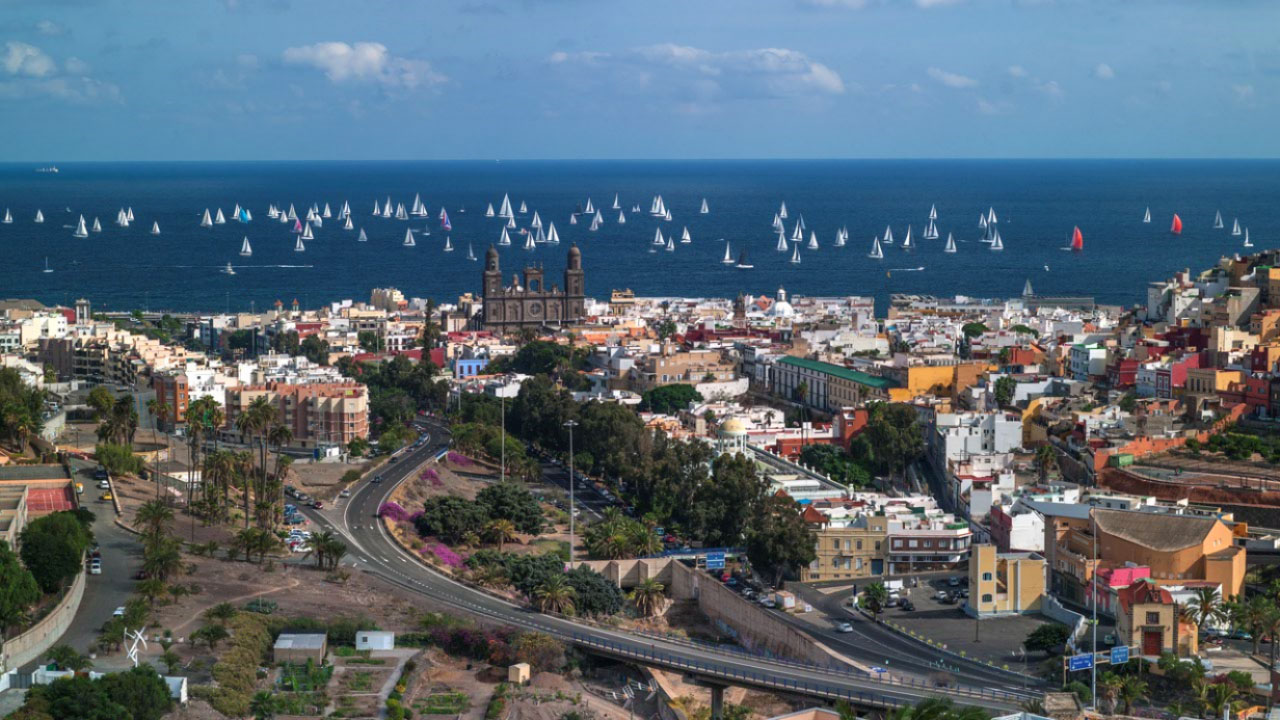
Las Palmas de Gran Canaria

Vegueta, a stroll around the New World

The founding neighbourhood of Las Palmas de Gran Canaria offers history, culture, cuisine and the odd enigma.

A stroll around the district of Vegueta begins at a very distinct point, back to a time over five centuries ago. At the foot of Guiniguada Ravine, gigantic palm trees rose up and served as a beacon to guide boats bringing in Spanish troops deployed at this point since 1478. The roots of those first historic palm trees that stood tall in what we now call Vegueta are also the roots to the name of Las Palmas de Gran Canaria.


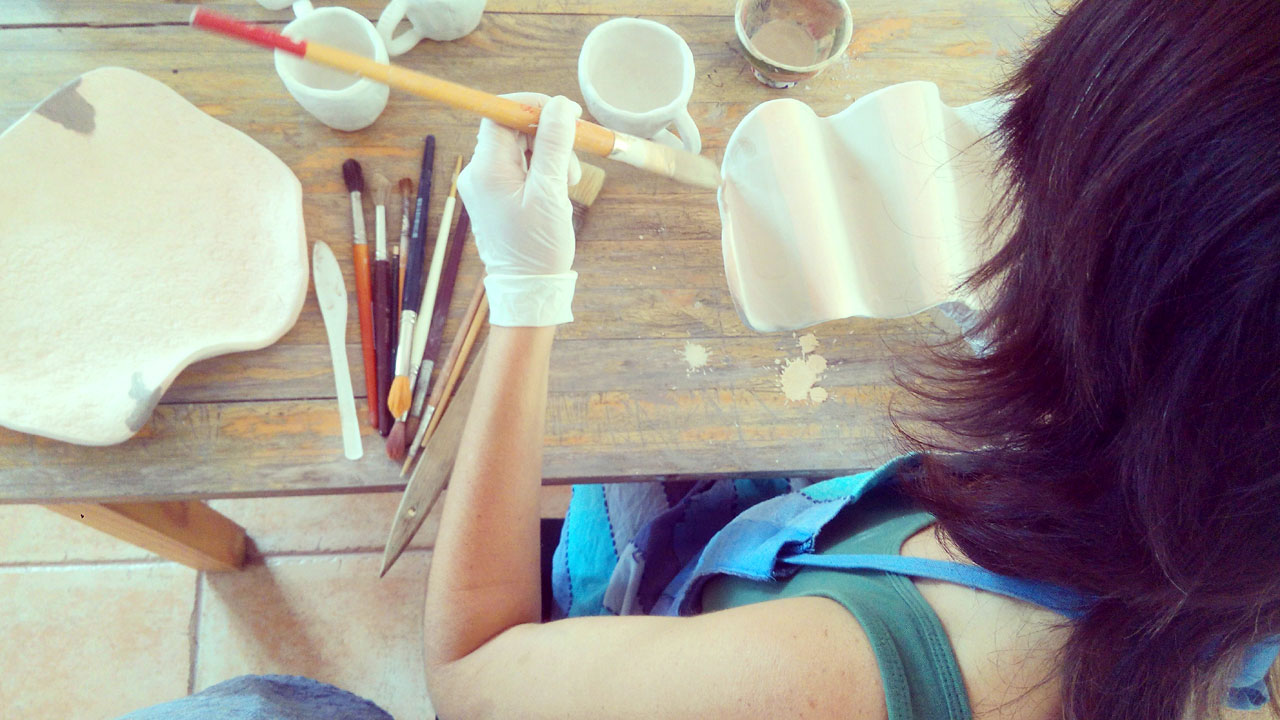
A craftswoman working in her crafts workshop

Artisan pottery and Gastronomy, a love that shines through in Gran Canaria

They say a recipe itself doesn’t have a soul, rather it is the chef that provides it. Nevertheless, nobody doubts that crockery is a fundamental part of a recipe today: it enhances the dish, while each piece adds a dash of beauty to the end product.

This opinion is shared among critics and gastronomic experts all around the world, so much so that neuroscience has taken it on to study just how the shape of crockery, along with its colour, material and density all influence how, what and how much we eat.


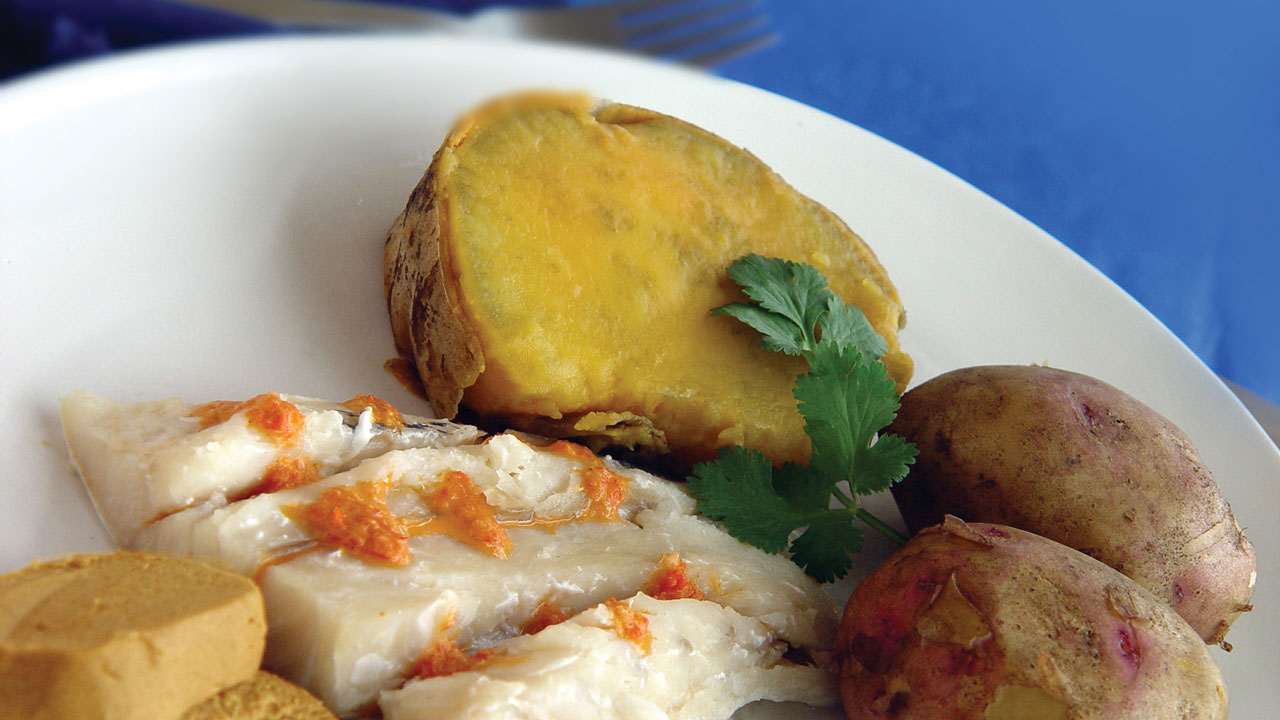
Sancocho

Sancocho, a true date with Easter

Although Sancocho is not regularly made on a daily basis nowadays, it continues to be the most typical dish for Good Friday, and a highly regarded “plate-filler” any time of the year.

Up until the end of the 19th century, fish in Gran Canaria had to be sold daily, and was only consumed at coastal towns, as there were no ways of keeping it fresh. However, around the turn of the 20th century, changes began to creep in to our cuisine: our range of foods began to increase thanks to the technique of salting. Around this time sancocho made its presence felt.