Blog Oficial de Turismo de Gran Canaria
‘Dedo de Dios’ in Agaete

El Dedo de Dios and the Roque Partido: Two names for the same symbol

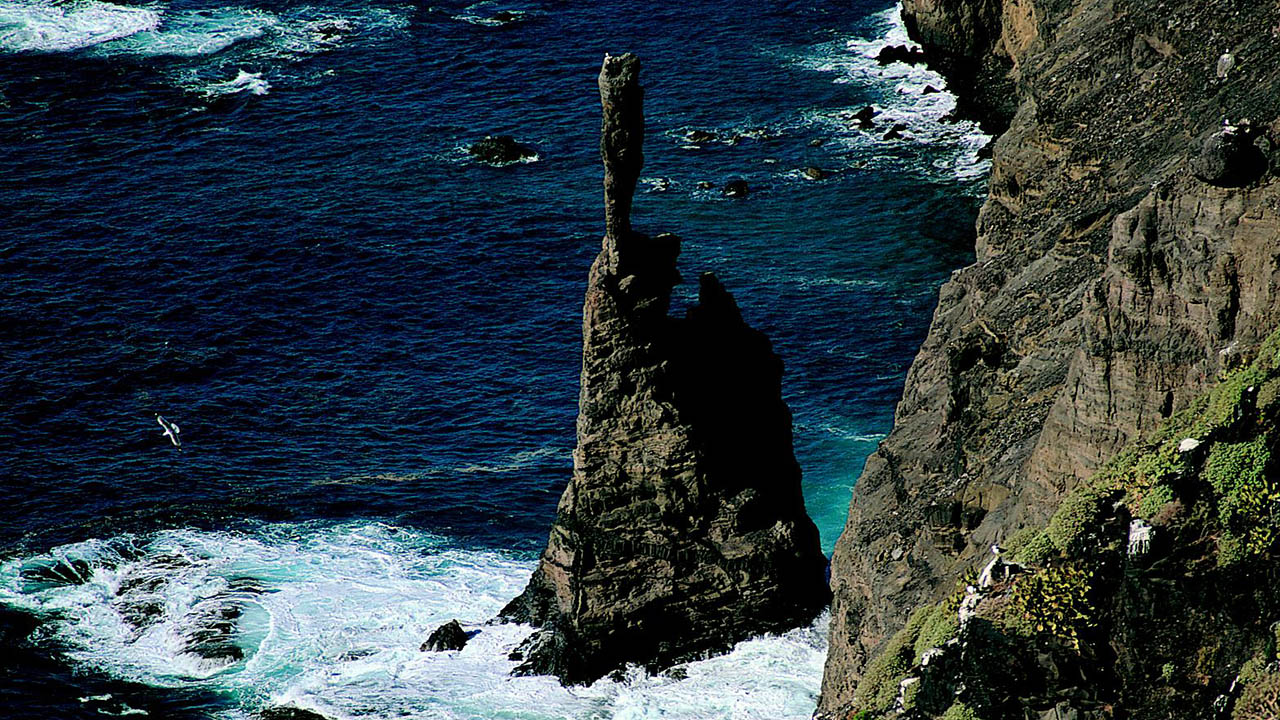
The rock formation at the Port of Las Nieves, in Agaete lost its pinnacle in 2005, yet it still preserves the beauty of nature’s great works of art.

In Agaete it was always called the Roque Partido (‘Broken Rock’). Dedo de Dios (‘God’s Finger’) was the name given to it by Domingo Doreste, also known as Fray Lesco, the same man who spoke of Gran Canaria as a continent in miniature. This rock formation truly has something divine about it, it always has. We felt it twenty-five years ago, before tropical storm Delta brought down its upper pinnacle, and we still feel it now, in the shapes being created by the erosion of wind and ocean.


(copy 2)

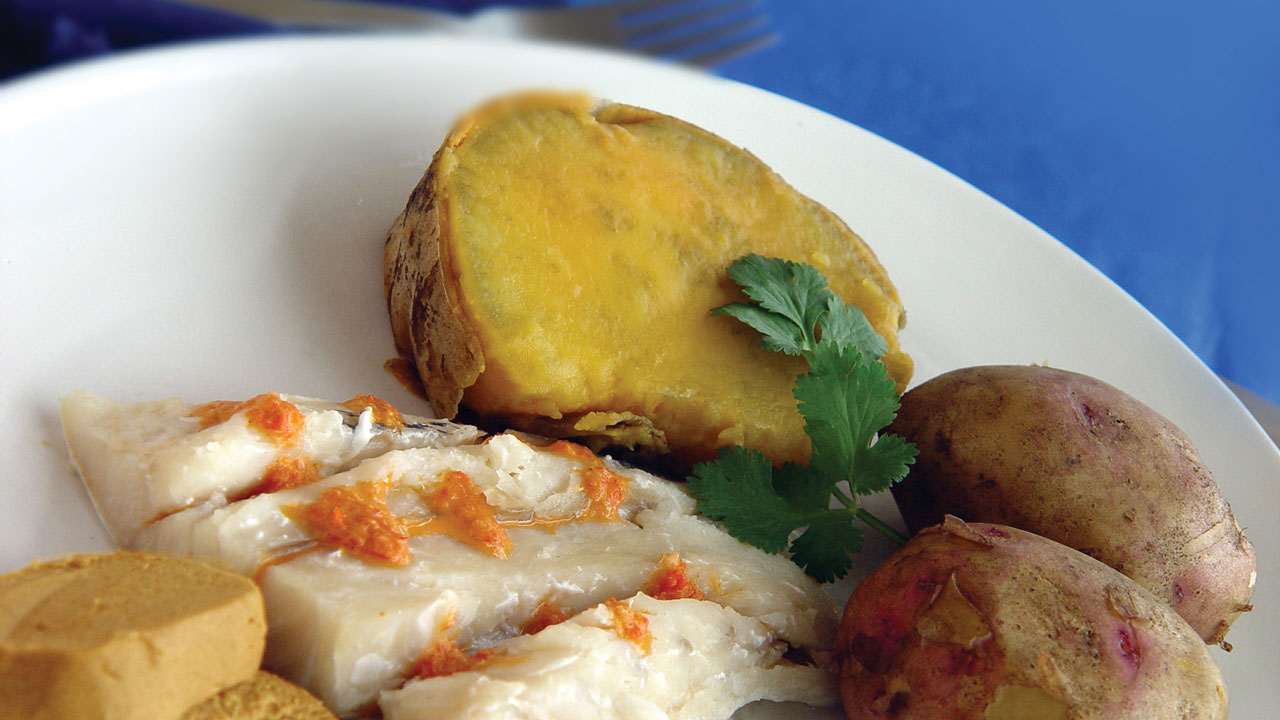
Sancocho

Sancocho, a true date with Easter

Although Sancocho is not regularly made on a daily basis nowadays, it continues to be the most typical dish for Good Friday, and a highly regarded “plate-filler” any time of the year.

Up until the end of the 19th century, fish in Gran Canaria had to be sold daily, and was only consumed at coastal towns, as there were no ways of keeping it fresh. However, around the turn of the 20th century, changes began to creep in to our cuisine: our range of foods began to increase thanks to the technique of salting. Around this time sancocho made its presence felt.


Playa de Melenara

Melenara Beach, the blue kingdom

Melenara Beach, in Gran Canaria, makes us feel like kings of the sea for at least a day.

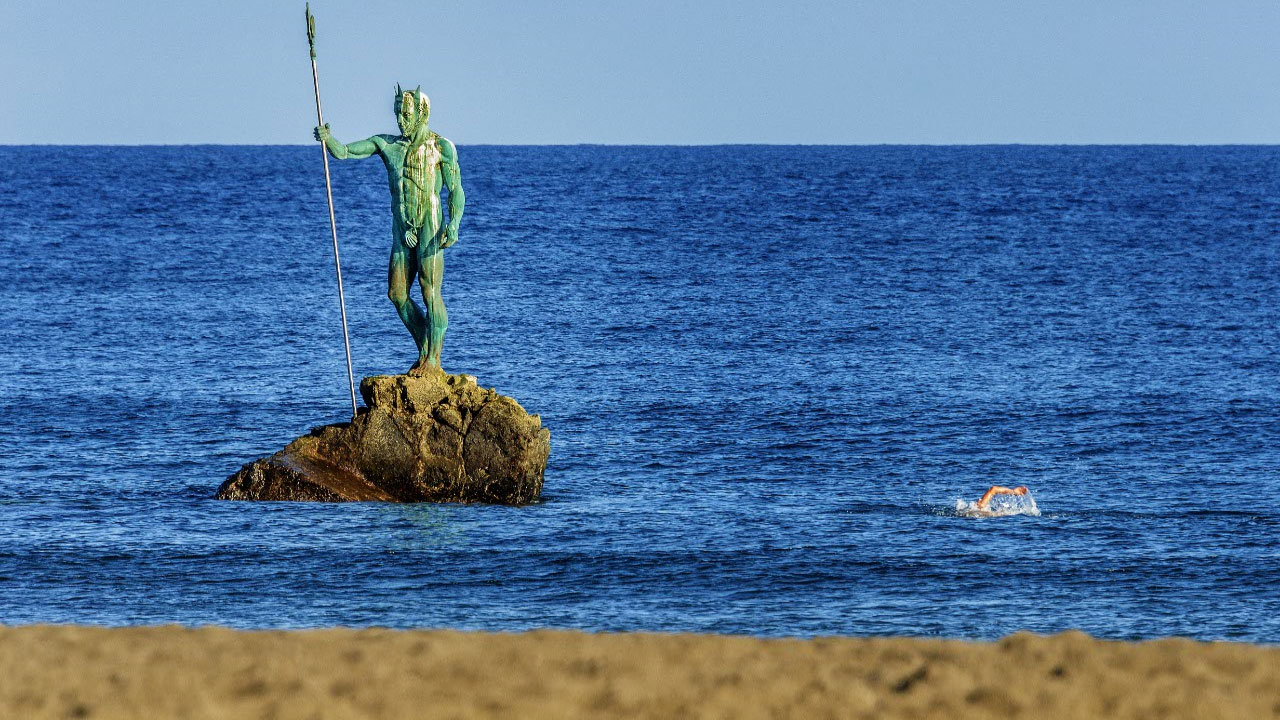
Sculptor Luis Arencibia carries the sea in his piercing stare, as did poet Rafael Alberti. The Atlantic glint in his eye has an explanation and an origin. As a boy, the artist used to swim out to the point of volcanic rock that poked out over the sea on the south side of Melenara Beach, in Telde (Gran Canaria). Many years later, Arencibia would create a four metre high bronze sculpture of Neptune that still towers over the area to this day, and which allows the lord of the seas to look out over his kingdom from his watch tower.


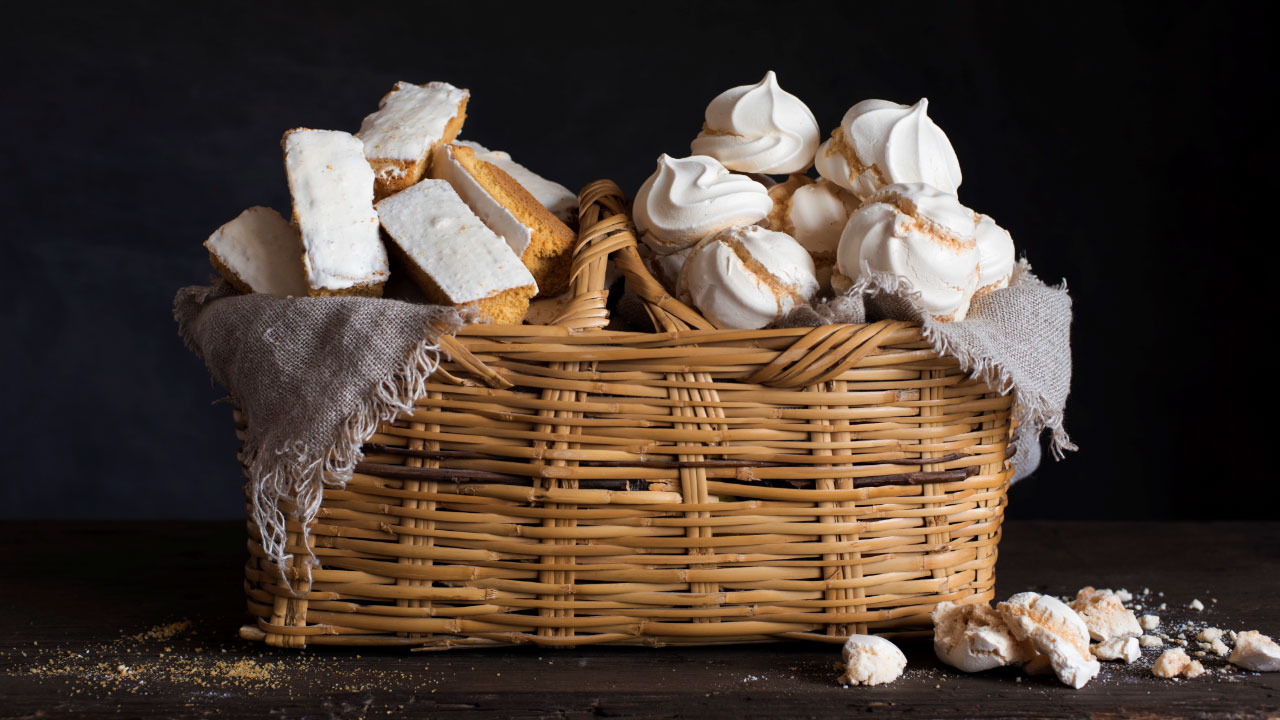
A basket with Moya bizcochos and suspiros

The sweet link between Cuba and Gran Canaria

Many are the events, landmarks and relations that link Gran Canaria to the Caribbean island of Cuba. Yet, one of the sweetest of all these comes in the form of a recipe that has lasted the test of time and has gone beyond frontiers: the bizcocho sponge-cake of Moya.

Here at this northern Gran Canaria municipality, suspiros are not the only famous delicacy. Bizcochos are a highly popular sweet, the recipe for which came here from Cuba by the hand of Chá Manuela, who came to live in the town and passed the recipe on to two local neighbours, Seña Jacinta and Candelarita Rivero. Amelia Ojeda learnt the recipe from them, and proceeded to open her artisan factory with a hundred-year-old oven, and with the help of her brother started production.


Instagram