Blog Oficial de Turismo de Gran Canaria
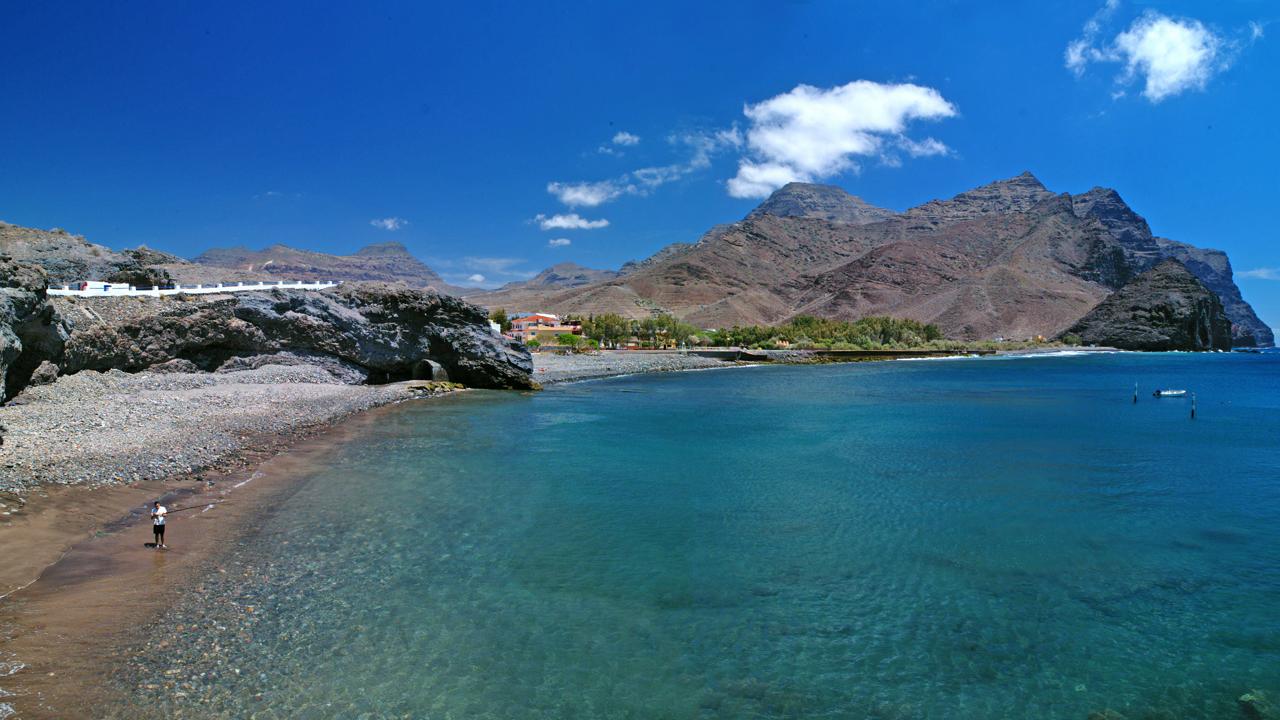
Agaete, Gran Canaria

Agaete, the Measure of Beauty in Gran Canaria

The World Tourism Organization (UN Tourism) names the Gran Canaria municipality the Best Tourism Village 2025.

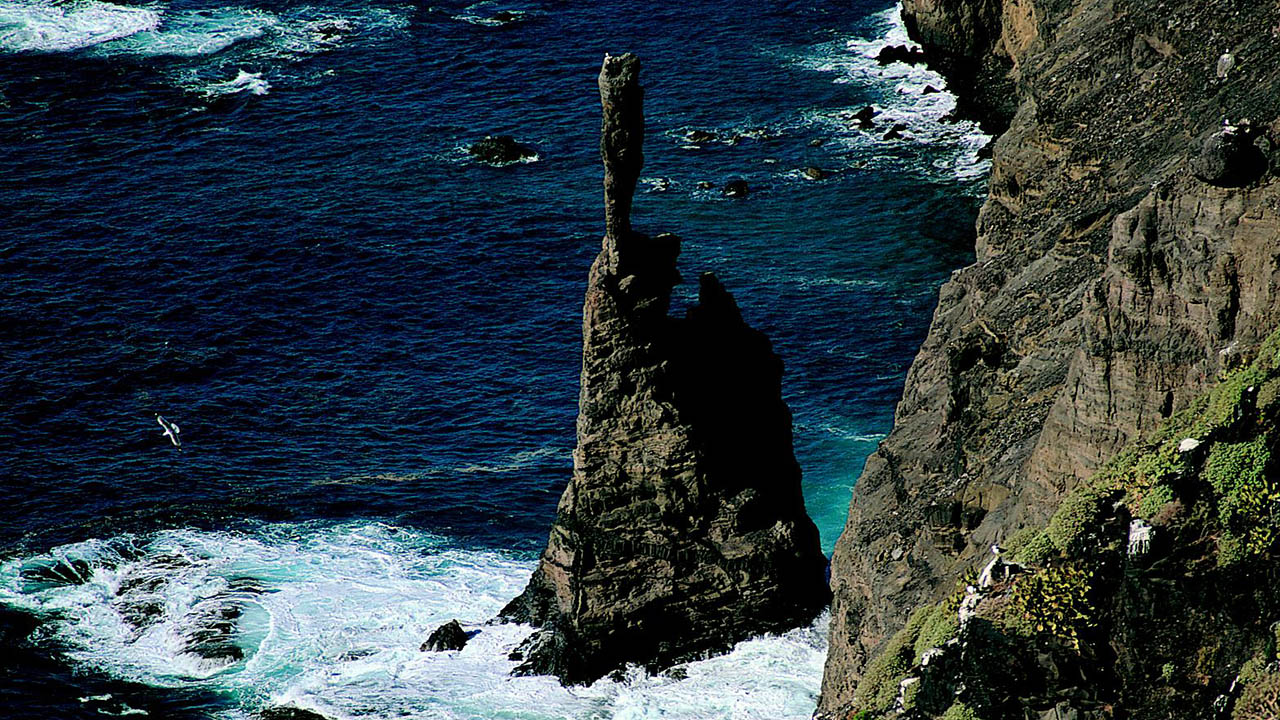
Agaete is a verse by Tomás Morales, a brushstroke from a luminous painting by Pepe Dámaso, the sound of oars slicing through the ocean waters. It is the early-morning crack of a firework, the cheerful bustle of music and papagüevos, a sunset gazing towards Mount Teide. It is a play of colours that changes every day, the Faneque cliff rising over the Atlantic; it is the sea, the trace of an ancient aboriginal culture, Malpaís and Maipés. It is a lush valley, it is coffee, mango, orange and papaya; it is fish, it is the crab that peeks out as the waves break. It is El Juncal, the devotion to the Flemish painting of the Virgin of Las Nieves, it is Faneroque, Antigafo, El Risco – and the majesty, energy and magic of Guayedra Beach.


(copy 2)

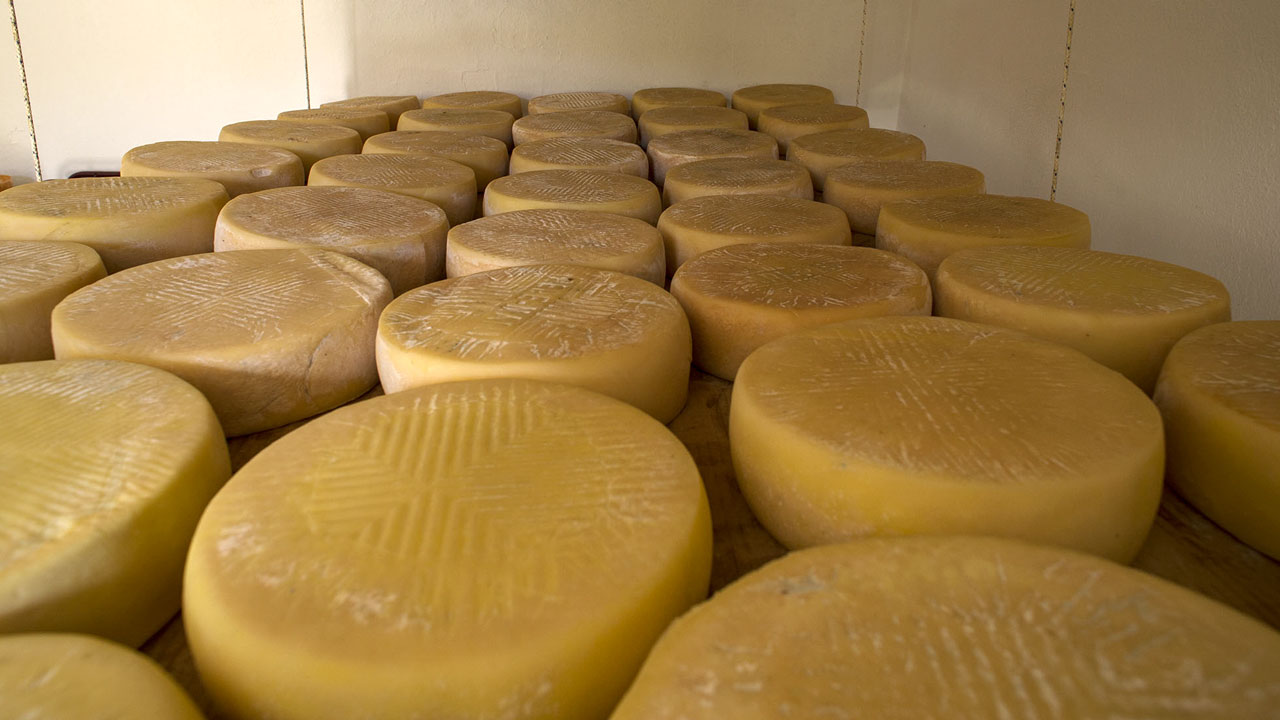
Cheeses from Santa María de Guía. Gran Canaria

Biography of a cheese from Gran Canaria

This is the tale of a passionate process that comes together to create the cheeses of Guía, Flower Cheese and Half Flower Cheese.

“This cheese is so unlike the rest”. Milagrosa Moreno Díaz is a leading cheesemaker from Gran Canaria from whose hands the finest products are created, carrying the seal of the Denomination of Protected Origin for Flower Cheese, Half Flower Cheese and Guía Cheese. They are all real gastronomic jewels that hold pride of place at the fairs to be held on 27th April in Guía, and on 5th May at Montaña Alta, in the same municipality.


"Tajinastes azules". Tenteniguada, Valsequillo de Gran Canaria

In search of the blue tajinaste

Breathe in the mountain air and go on a ramble to see the blue tajinaste plant, one of Gran Canaria’s natural emblems.

The seeds that the blue tajinaste plants sprout from are of a discreet earthy colour. They do, however, produce bushes endemic to Gran Canaria that grow into natural towers reaching up to four metres in height, topped off by gorgeous bunches of bluey flowers. This species is indeed one of the island’s natural symbols, and it is precisely in the month of April when they are in full bloom.


Cathedral and Plaza de Santa Ana, Vegueta, Las Palmas de Gran Canaria

The prodigal son of Easter Week in Vegueta

Easter Week in Vegueta and other places around Gran Canaria reveals the island’s huge cultural treasures and wonderful heritage.

Everything has its origins. The artist who carved out the majority of the religious figures worshipped during Easter in Las Palmas de Gran Canaria came to the city as a young boy around the middle of the 18th century to study drawing. José Luján Pérez was born in Santa María de Guía at the heart of a family of farmworkers. From a very early age his hands were able to draw and sculpture with amazing skill.


Instagram