Blog Oficial de Turismo de Gran Canaria
‘Dedo de Dios’ in Agaete

El Dedo de Dios and the Roque Partido: Two names for the same symbol

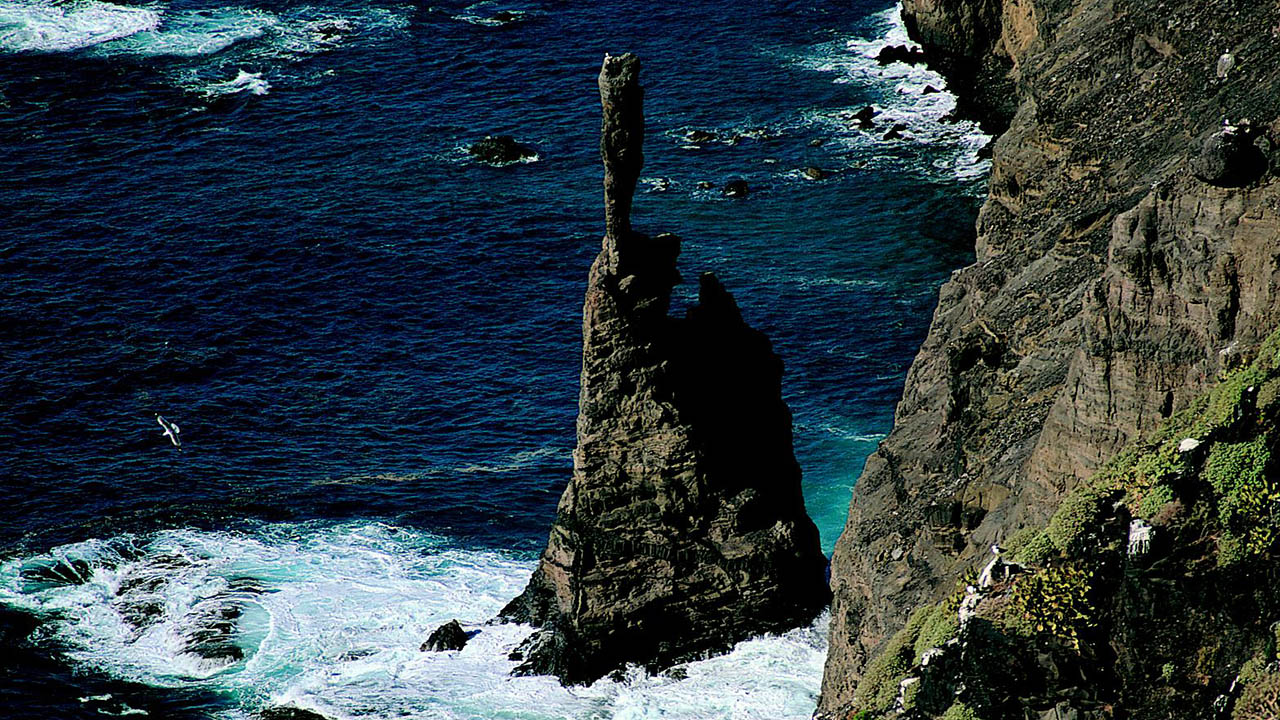
The rock formation at the Port of Las Nieves, in Agaete lost its pinnacle in 2005, yet it still preserves the beauty of nature’s great works of art.

In Agaete it was always called the Roque Partido (‘Broken Rock’). Dedo de Dios (‘God’s Finger’) was the name given to it by Domingo Doreste, also known as Fray Lesco, the same man who spoke of Gran Canaria as a continent in miniature. This rock formation truly has something divine about it, it always has. We felt it twenty-five years ago, before tropical storm Delta brought down its upper pinnacle, and we still feel it now, in the shapes being created by the erosion of wind and ocean.


(copy 2)

Views from the Santa Ana Cathedral

Gran Canaria, the sky is not that far away

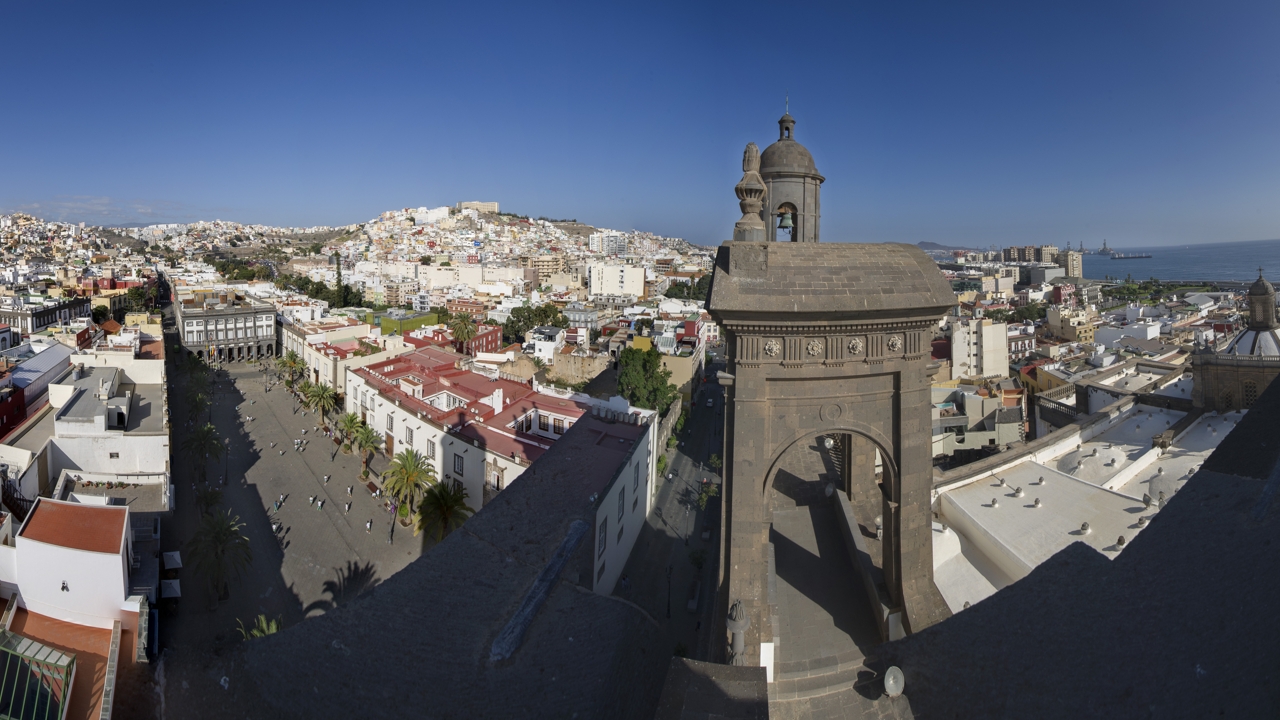
If you go up to the top of the Cathedral of Santa Ana, in Las Palmas de Gran Canaria, you are treated to a panoramic and illustrative view over the city.

It takes less than two minutes to reach the sky. The time it takes to pay 1.50€, take a modern lift for around twenty seconds, and then walk up the 54 steps that lead up to the top of the south tower of the Cathedral of Santa Ana in Las Palmas de Gran Canaria, a religious monument from where the city calls out to the heights.


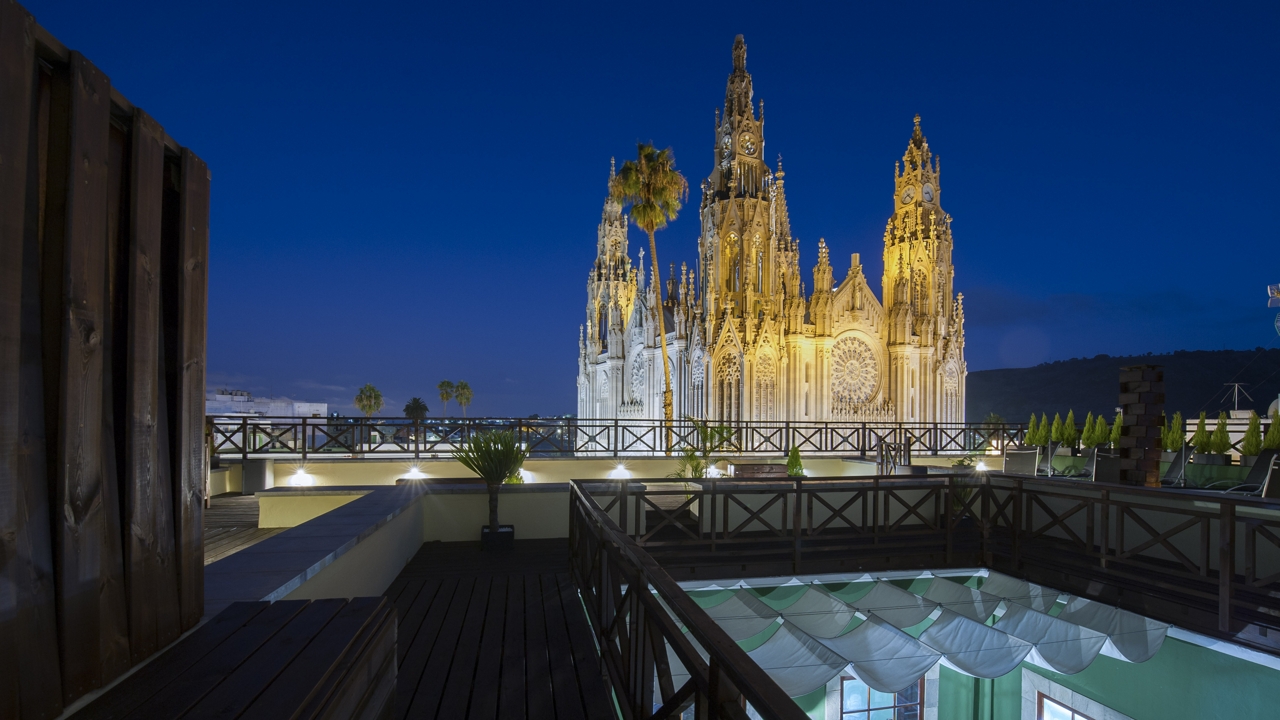
Night time views over the Parish Church of San Juan Bautista

The stones are back with another story to tell in Arucas

Tradition and modern day fuse together at the Hotel Emblemático Arucas de Gran Canaria, a century old house that has been refurbished.

The first stone at the San Juan Bautista church in Arucas, one of most important historical buildings in Gran Canaria, was laid back in 1909. There is evidence of a photo being taken of its construction from the skyroof of a house just thirty metres from where building was taking place. This means that this century old house was already standing prior to the building of the church, which due to its noble structure, is called a cathedral by many.


Valleseco

The Apple Symphony in Valleseco

Cider, cuisine, music and traditions all come together at the fiesta of La Encarnación and the Apple fiesta of Valleseco.

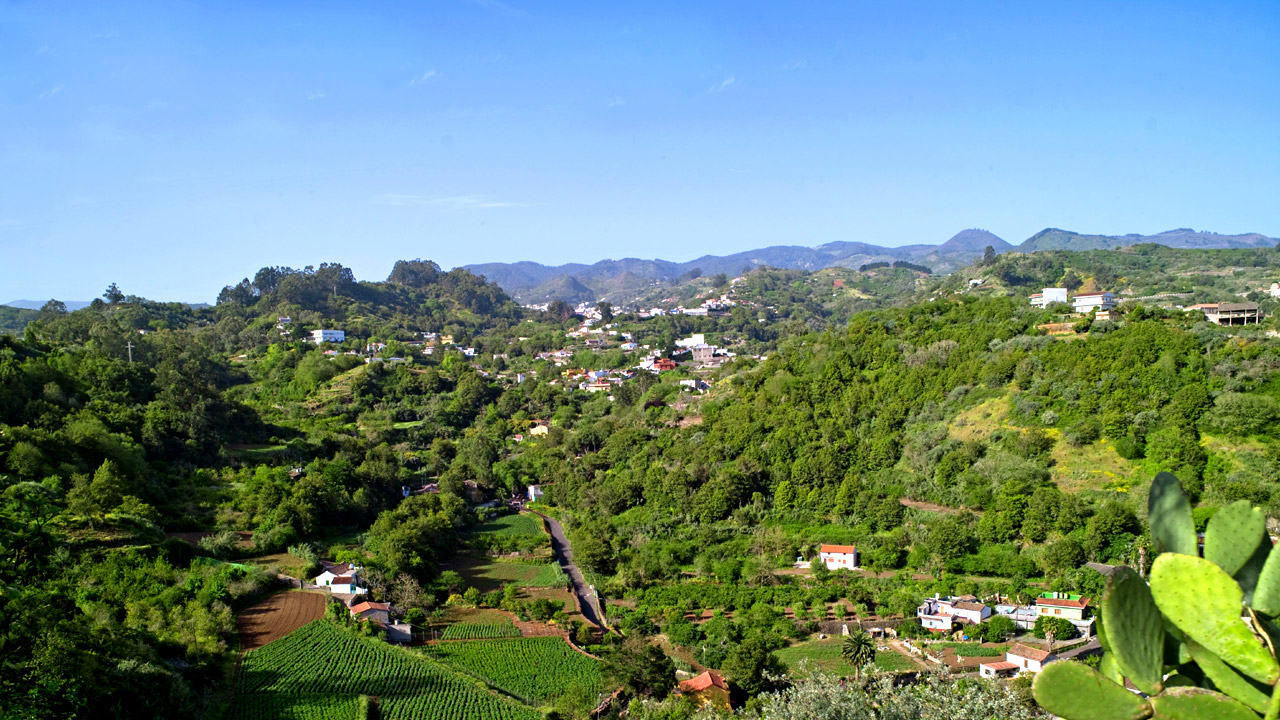
Apple trees dug their roots into the fertile soil of Valleseco at the same time as history did, here at the green heart of Gran Canaria. It all started back in 1858, when the then mayor, Vicente Suárez Rodríguez, decided to reclaim some barren land around the municipality, and plant it with fruit trees to stem the erosion. The governor provided the town hall with examples of the pippin apple trees which settled comfortably into the hillsides caressed with the gentle trade winds. These breezes maintained the optimum levels of humidity the apple trees required, known locally as manzaneros.  


Instagram