Blog Oficial de Turismo de Gran Canaria

‘Dedo de Dios’ in Agaete

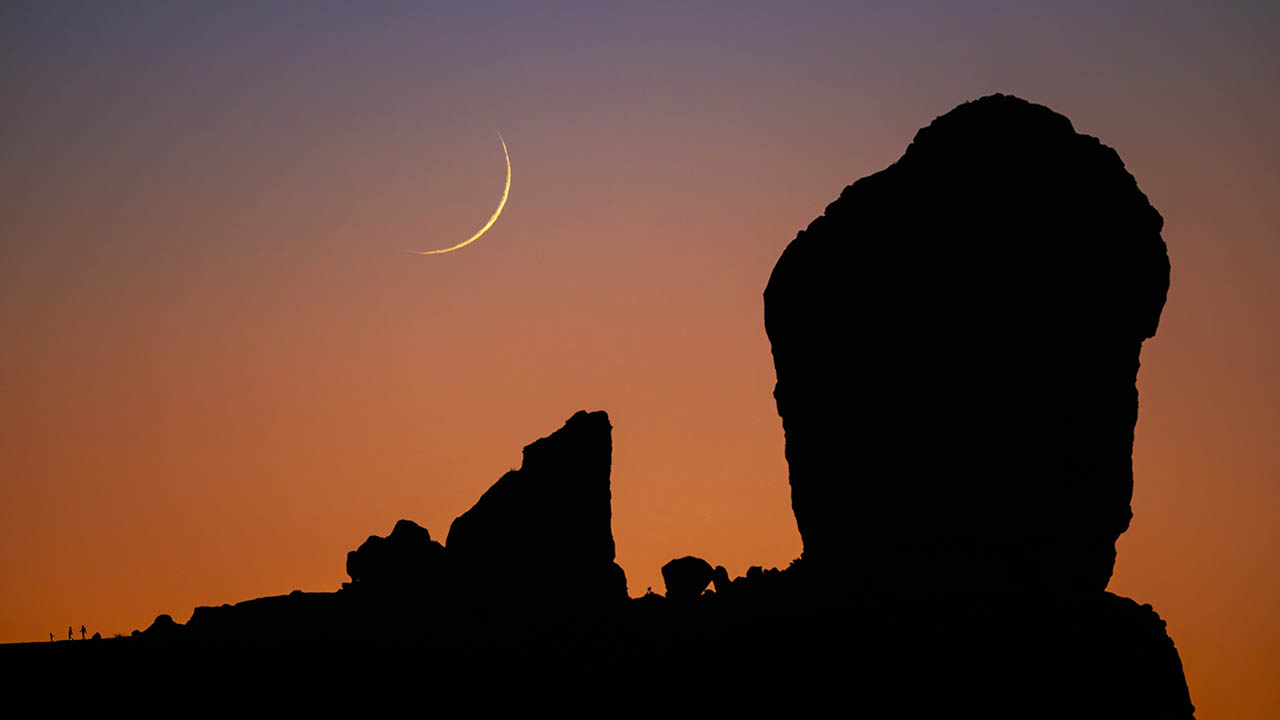
El Dedo de Dios and the Roque Partido: Two names for the same symbol

The rock formation at the Port of Las Nieves, in Agaete lost its pinnacle in 2005, yet it still preserves the beauty of nature’s great works of art.

In Agaete it was always called the Roque Partido (‘Broken Rock’). Dedo de Dios (‘God’s Finger’) was the name given to it by Domingo Doreste, also known as Fray Lesco, the same man who spoke of Gran Canaria as a continent in miniature. This rock formation truly has something divine about it, it always has. We felt it twenty-five years ago, before tropical storm Delta brought down its upper pinnacle, and we still feel it now, in the shapes being created by the erosion of wind and ocean.


(copy 2)

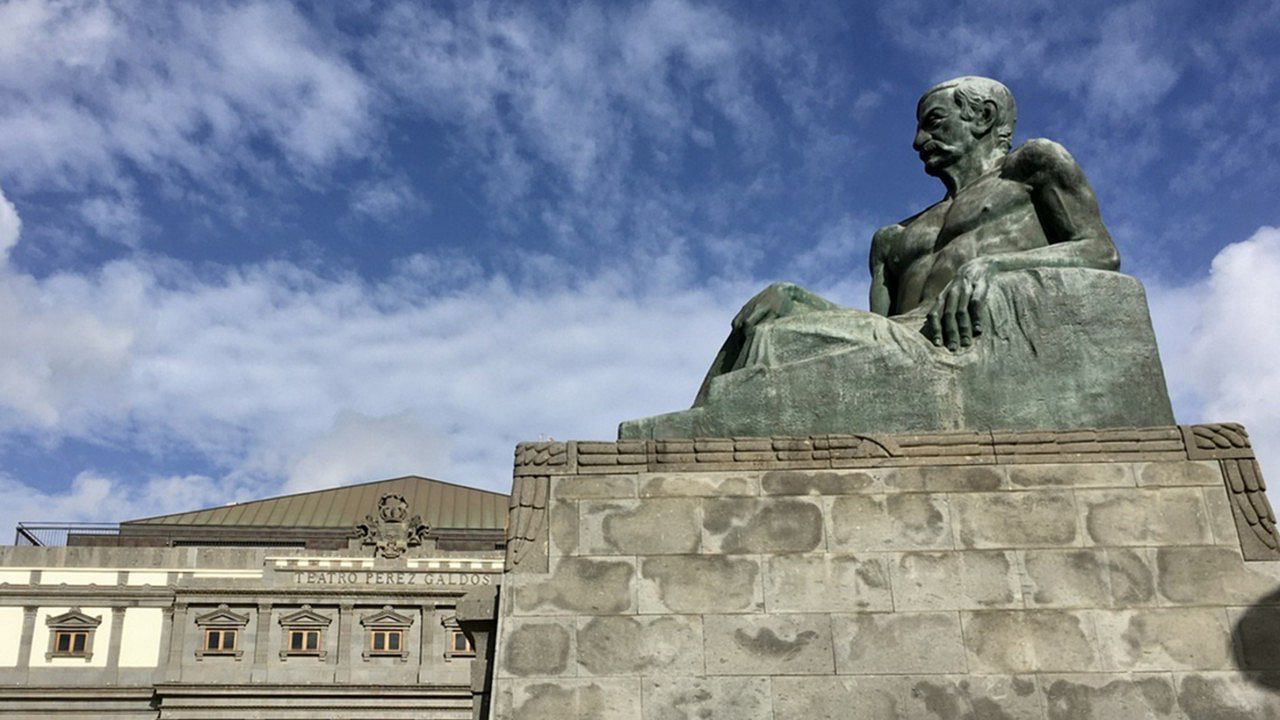
Sculpture and Pérez Galdós Theatre

Gran Canaria, native island of the genius Galdós

Gran Canaria invites you on a journey to follow Galdós’s trail on the island from which the famous writer set sail.

Benito Pérez Galdós, one of the most important European writers in the late 19th and early 20th century, was born on 10 May 1843 in Calle Cano in Las Palmas de Gran Canaria. Back then it was a cobbled street lit with oil lamps, moonlight and from then on, the brilliance of his genius. What’s more, the centenary of his death is being commemorated in 2020, although his loss was merely like a parenthesis in any of his novels, echoing the true legacy of people claimed by immortality.

The Galdós’s footsteps have been etched on his native city today, providing an open book to reflect the author’s relationship with the capital city of Gran Canaria and successive demonstrations of appreciation and acknowledgement from the island’s society to the author who was born in the family home in Calle Cano, turned into a House-Museum and where you can even see the crib used to rock this baby whose dreams were destined to make their mark through his works.

Las Nieves windmill, Agaete

The windmills of Gran Canaria

Dotted across the Island are a great many windmills that were used for a variety of different things from milling grain for flour or “gofio”, pumping water for irrigation or even seawater to be used in the salt pans. Nowadays we’ve got wind turbines too, to help us power the Island. But the idea that somehow ecology is a modern concept is totally misguided. Centuries ago, our ancestors were already using water and wind to power those mills.


Faro de Maspalomas

Lighthouses that shine on Gran Canaria

Construction of the Maspalomas Lighthouse was a real feat of engineering, so much so that they even had to build a small dock to bring in all the building materials. It is undoubtedly the most photographed lighthouse on Gran Canaria and its surroundings make it even more striking.

You can find it in the south, in the Island´s popular tourist area, and next to the Dunes of Maspalomas Special Nature Reserve, a unique collection of ecosystems protected by law since 1987. The dunes have also been the backdrop to some well-known TV shows and films like Netflix's “The Witcher” or “Clash of the Titans”.


Instagram