Blog Oficial de Turismo de Gran Canaria
‘Dedo de Dios’ in Agaete

El Dedo de Dios and the Roque Partido: Two names for the same symbol

The rock formation at the Port of Las Nieves, in Agaete lost its pinnacle in 2005, yet it still preserves the beauty of nature’s great works of art.

In Agaete it was always called the Roque Partido (‘Broken Rock’). Dedo de Dios (‘God’s Finger’) was the name given to it by Domingo Doreste, also known as Fray Lesco, the same man who spoke of Gran Canaria as a continent in miniature. This rock formation truly has something divine about it, it always has. We felt it twenty-five years ago, before tropical storm Delta brought down its upper pinnacle, and we still feel it now, in the shapes being created by the erosion of wind and ocean.


(copy 2)

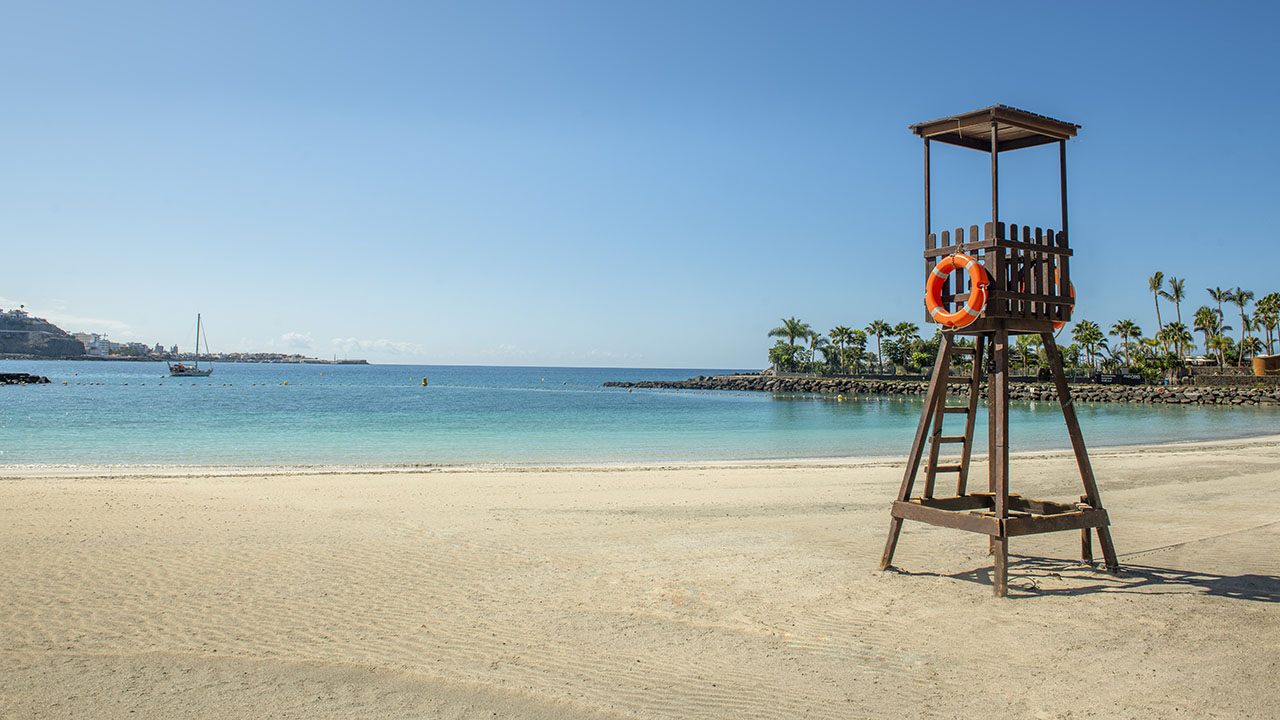
Playa de Anfi, Mogán

Anchored on Anfi beach in Mogán

Calm reigns on this beach in Mogán, in the south of Gran Canaria.

The winds encourage folk to let out their sails and push their boat through the placid southern waters once again. The timid flock of white clouds grazing on the warm mist on the horizon reminds us that the north of the island is still there. Anfi beach, at the mouth of the Verga de Mogán Ravine, is now a stage set with golden sand and turquoise water, lightly stirring as it waits.


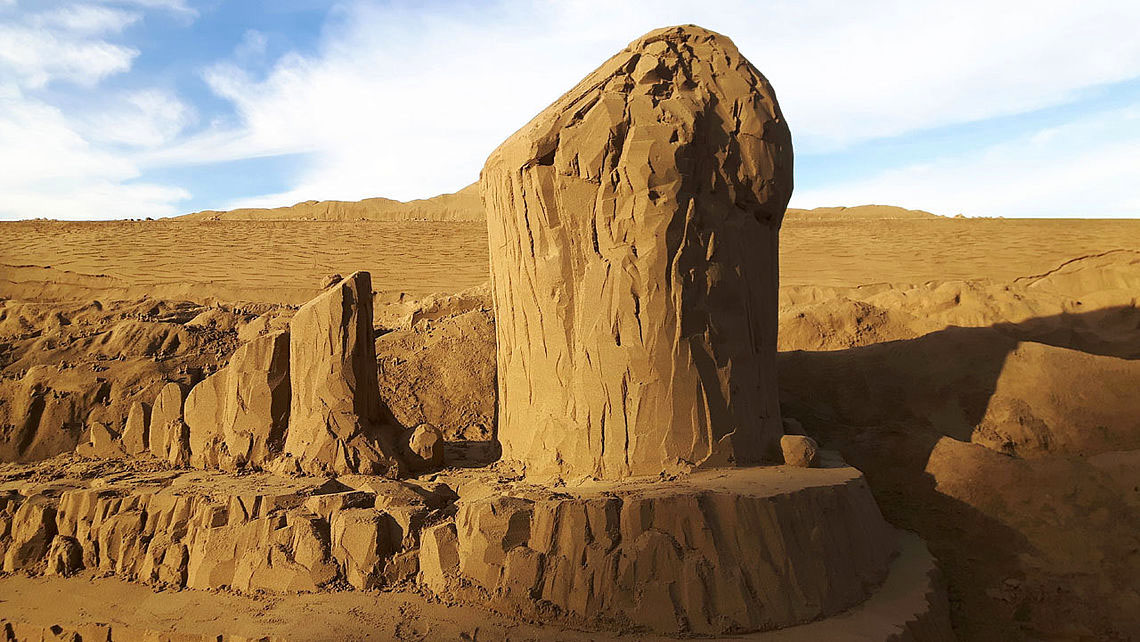
Roque Nublo made of sand. Nativity scene made of sand at Las Canteras Beach. Photo of past editions

Las Canteras beach nativity in Gran Canaria: messages in sand and light

Las Canteras Sand Nativity is one of many attractions in Gran Canaria’s warm Atlantic Christmas.

A reef that you can spot at low tide protects Las Canteras beach from the pounding ocean, like a long protective arm shielding Las Palmas de Gran Canaria’s emblematic sands. Seen from dry land, it’s just a brush-stroke on the horizon. The sand bar now also forms part of the island’s gentle Christmas. At the northern end of the beach, the skylight on the Alfredo Kraus Auditorium plays the role of the Christmas Star.


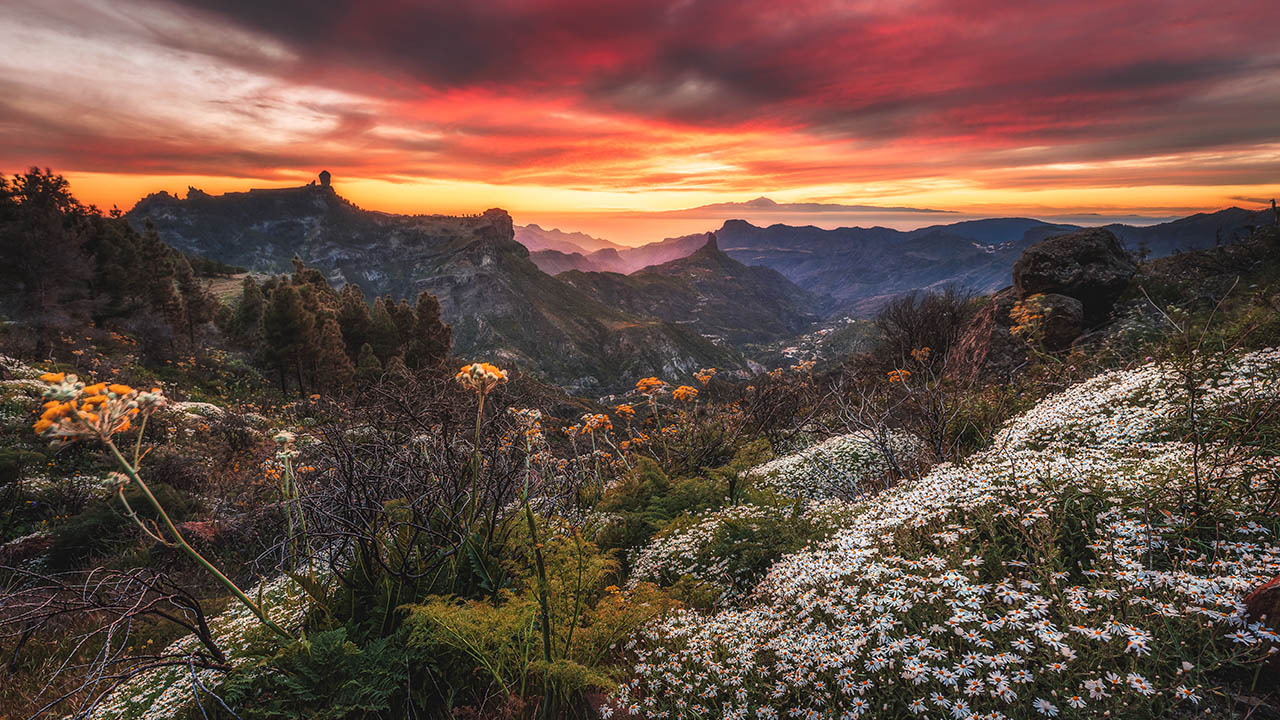
Pine forest in Gran Canaria

The memories of the trees of Gran Canaria

The unique trees of Gran Canaria offer their particular summary of the island’s history and biodiversity.

The unique trees of Gran Canaria have their own given name and the people of the island speak to them as old friends, venerable elders or a mother in whose shade several generations have grown up. This is the case with La Castañera Grande de Las Lagunetas, an over 300-year-old chestnut in Vega de San Mateo whose wood ash was used to heal the navels of children who were born on this island sheltered in the grove.


Instagram