Blog Oficial de Turismo de Gran Canaria

‘Dedo de Dios’ in Agaete

El Dedo de Dios and the Roque Partido: Two names for the same symbol

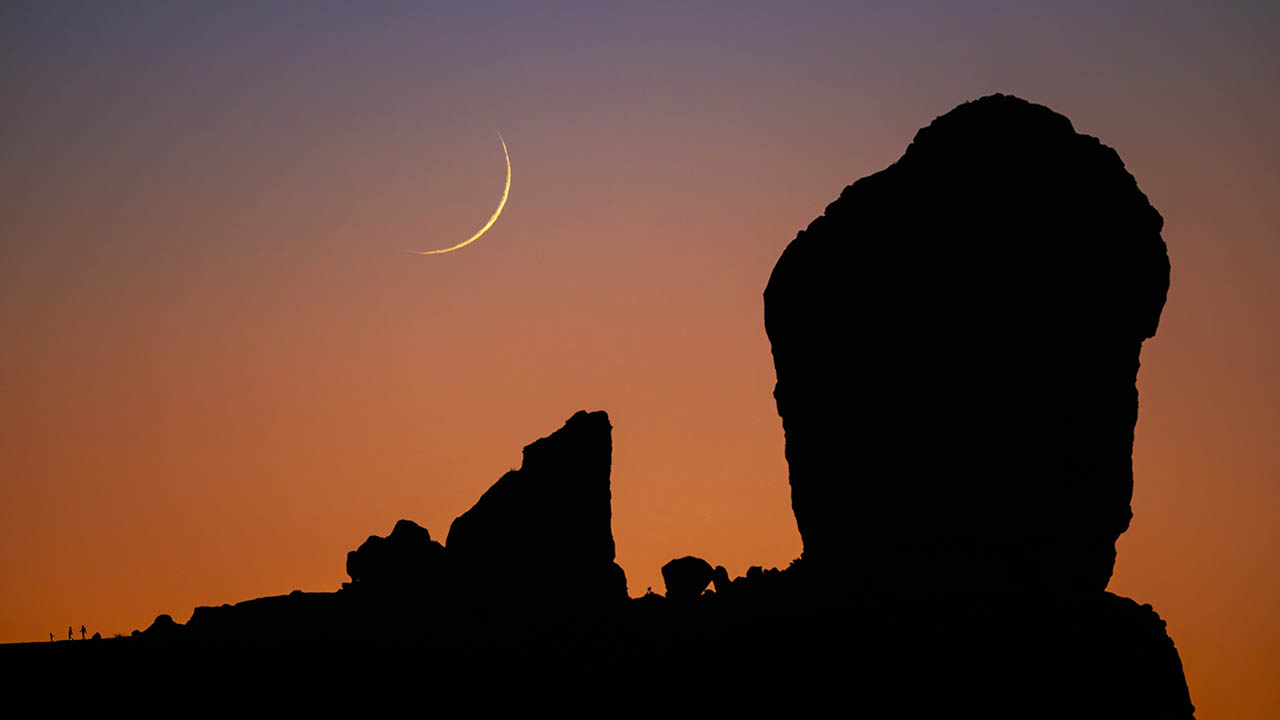
The rock formation at the Port of Las Nieves, in Agaete lost its pinnacle in 2005, yet it still preserves the beauty of nature’s great works of art.

In Agaete it was always called the Roque Partido (‘Broken Rock’). Dedo de Dios (‘God’s Finger’) was the name given to it by Domingo Doreste, also known as Fray Lesco, the same man who spoke of Gran Canaria as a continent in miniature. This rock formation truly has something divine about it, it always has. We felt it twenty-five years ago, before tropical storm Delta brought down its upper pinnacle, and we still feel it now, in the shapes being created by the erosion of wind and ocean.


(copy 2)

Plaza del Pilar Nuevo, Vegueta, Las Palmas de Gran Canaria

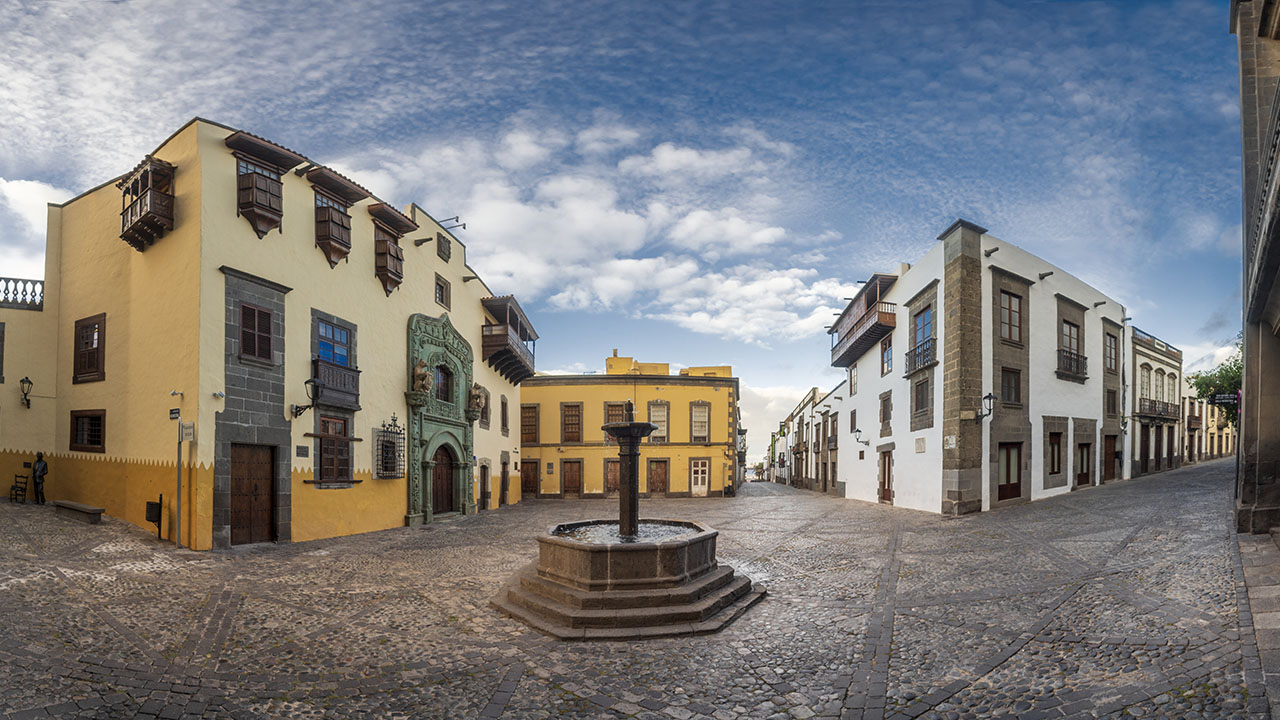
Artistic streets in Vegueta, the old town of Las Palmas de Gran Canaria

In the capital's neighbourhood, we find streets linked to the memory of Saint-Saëns, Alfredo Kraus, Luján Pérez, Pérez Galdós and Néstor Álamo.

There are walks that take us to places where art was born or where the memory of someone who sowed beauty remains. The neighbourhood of Vegueta, in Las Palmas de Gran Canaria, has art, beauty and history throughout its streets, museums, cathedral and churches. But it also has secluded streets where, if we pay attention, we can almost recognise the presence of those who once walked on its cobblestones and pavements.


Roque Nublo, Gran Canaria

Gran Canaria protects Roque Nublo

Visits to the Natural Monument of Gran Canaria can be made with a prior reservation.

Every place in the world has an image that identifies it — a photograph or a memory that stays with us when we are far away, recalling the place where we were once happy. In Gran Canaria, that place could be the Natural Monument of Roque Nublo, both for those who visit and for those who call the island “home”. It is always before our eyes when we ascend to the peak, or when we look from Tejeda or Artenara.


Dunas de Maspalomas, Gran Canaria

Seven secrets whispered by the Maspalomas sands

The Maspalomas Dunes Special Nature Reserve is brimming with nature and history to be discovered and protected

1. The birth of a dune
Each dune in Maspalomas tells a story. They are wandering mountains, each with their very own biography. They come from the sea in search of the sky. These sand formations are daughters of the elements that combine to create them. Firstly, the sea currents leave sand on the shore. The sun in the south of Gran Canaria plays its part by drying them, then the wind drags them inland.


Instagram