Blog Oficial de Turismo de Gran Canaria

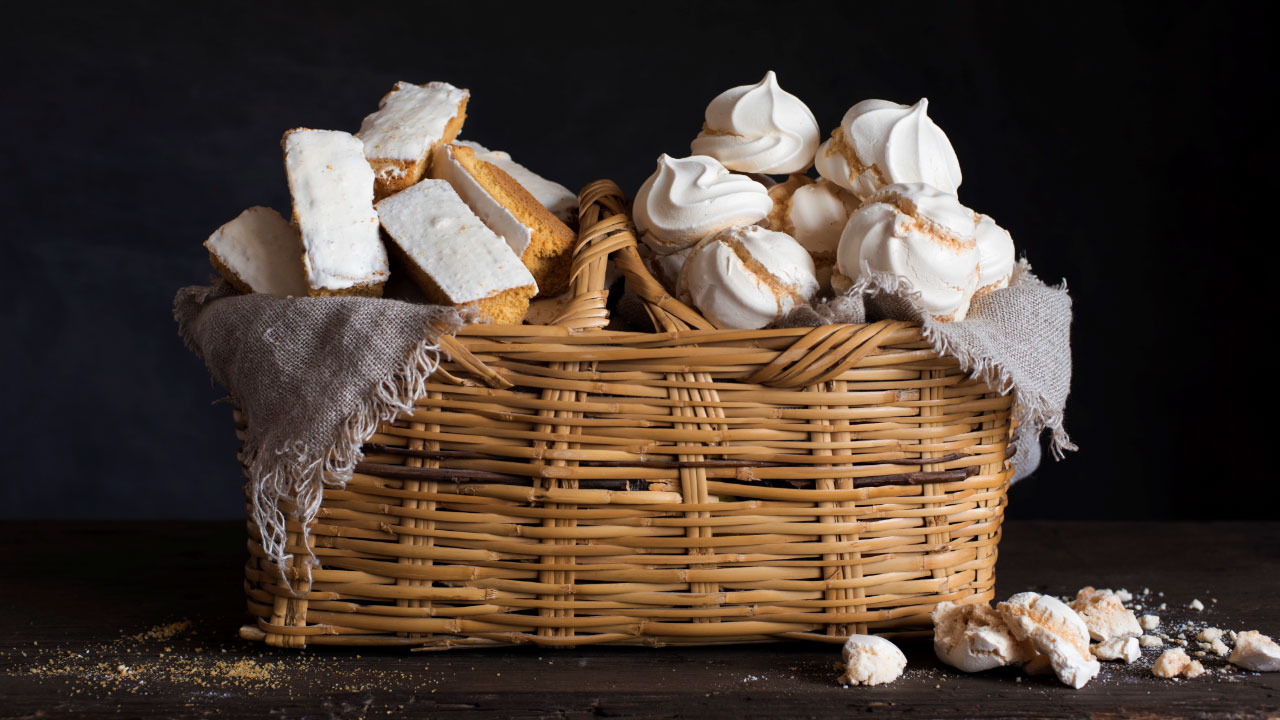
A basket with Moya bizcochos and suspiros

The sweet link between Cuba and Gran Canaria

Many are the events, landmarks and relations that link Gran Canaria to the Caribbean island of Cuba. Yet, one of the sweetest of all these comes in the form of a recipe that has lasted the test of time and has gone beyond frontiers: the bizcocho sponge-cake of Moya.

Here at this northern Gran Canaria municipality, suspiros are not the only famous delicacy. Bizcochos are a highly popular sweet, the recipe for which came here from Cuba by the hand of Chá Manuela, who came to live in the town and passed the recipe on to two local neighbours, Seña Jacinta and Candelarita Rivero. Amelia Ojeda learnt the recipe from them, and proceeded to open her artisan factory with a hundred-year-old oven, and with the help of her brother started production.

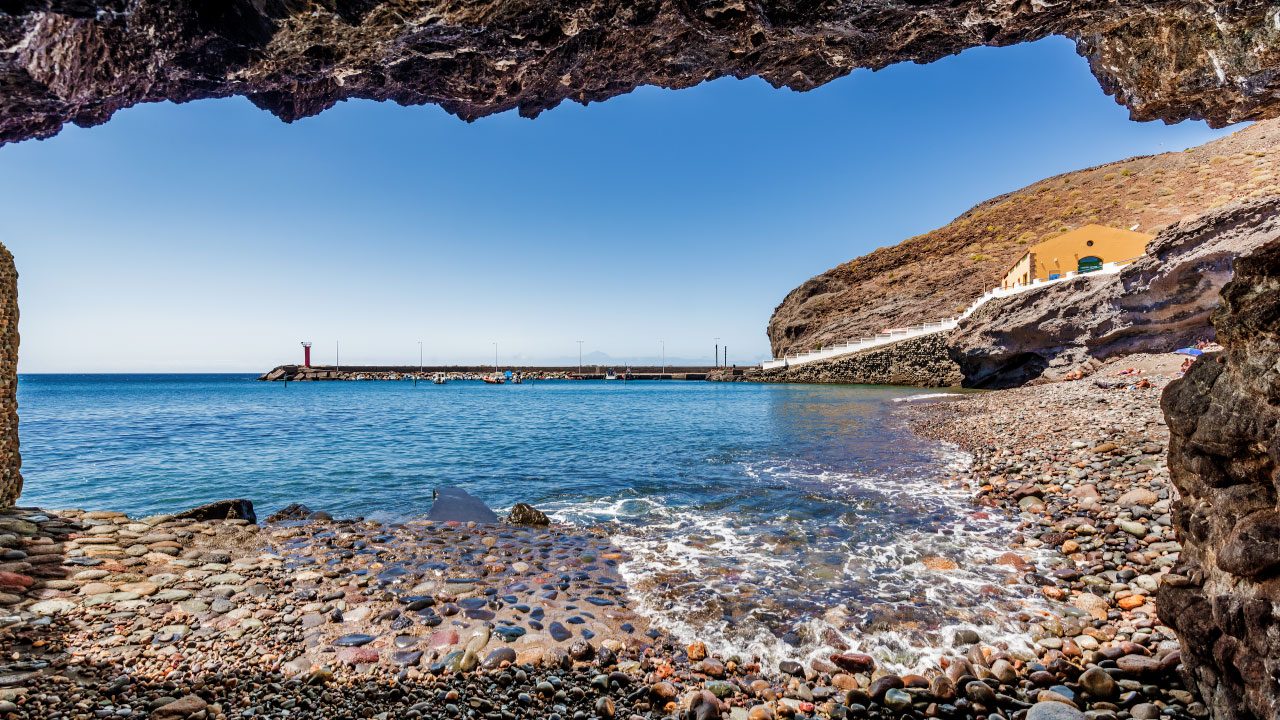
Playa de La Aldea

A whole lifetime in La Aldea de Gran Canaria

Market day on the first Saturday of every month, and the visitors’ centre at the  micro área marina ‘El Roque’ are among the top attractions in La Aldea.

There is a place in Gran Canaria tucked away in the mountains, where a whole life seems to slot in. Its seabeds are home to gigantic sea anemones and it is the site of one of the most beautiful gorgonia coral fields in Europe. Back on dry land, and right in the historic town centre every first Saturday of the month, visitors are able to purchase local avocados, bananas and oranges, products that carry the seal of the island’s rich soil and warming sun, which boast a wholesome flavour only authentic products are able to.


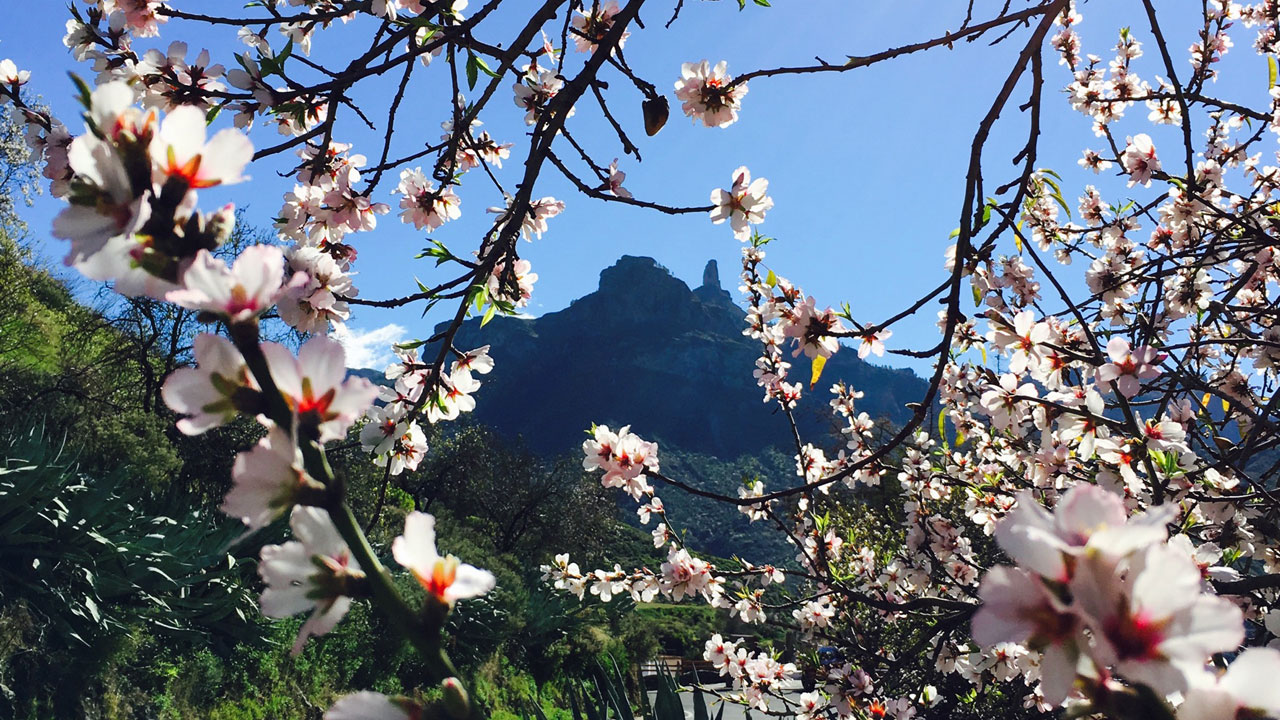
Roque Nublo, behind flowering almond trees

The almond tree in bloom, the prelude to a great gastronomic treasure

The real secret behind the marzipan recipe is its fruit.

The sprouting flowers of the almond trees hail the arrival of spring in Gran Canaria, early on in the month of February. The hilly regions of the island are decked out in a pink carpet, and the beautiful trees provide the sought after fruit which for several centuries was the main driving force behind the local economy of the village of Tejeda.