Blog Oficial de Turismo de Gran Canaria

Vegueta, Las Palmas de Gran Canaria

The time temple of Gran Canaria

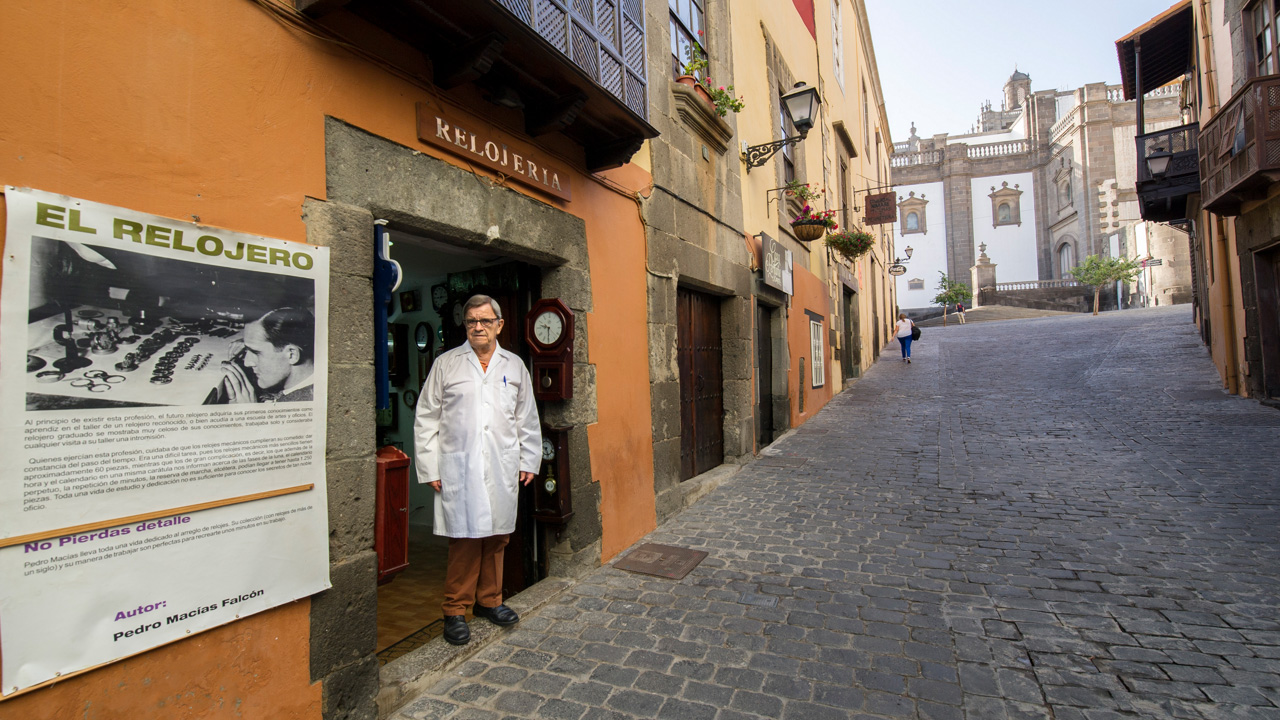
The workshop of watchmaker Pedro Macías in the district of Vegueta in Las Palmas de Gran Canaria provides a gift for the senses.

As a boy there was a lovely American-made wall clock in Pedro Macías Falcón’s house. It was over a hundred years old, that’s old even for a clock. When he was on his own he would play around with it, scrutinize it and put it to his ear to hear the tick-tocking of its little metal heart. He got so caught up in the hands of the clock that Pedro ended up being a watchmaker, learning the tricks of the trade in the workshop of family relative José Henríquez. The workshop looked more like a magical kingdom of chords, anchors, rods and minute hands there in the peace and quiet of Tenoya.


Views from the Santa Ana Cathedral

Gran Canaria, the sky is not that far away

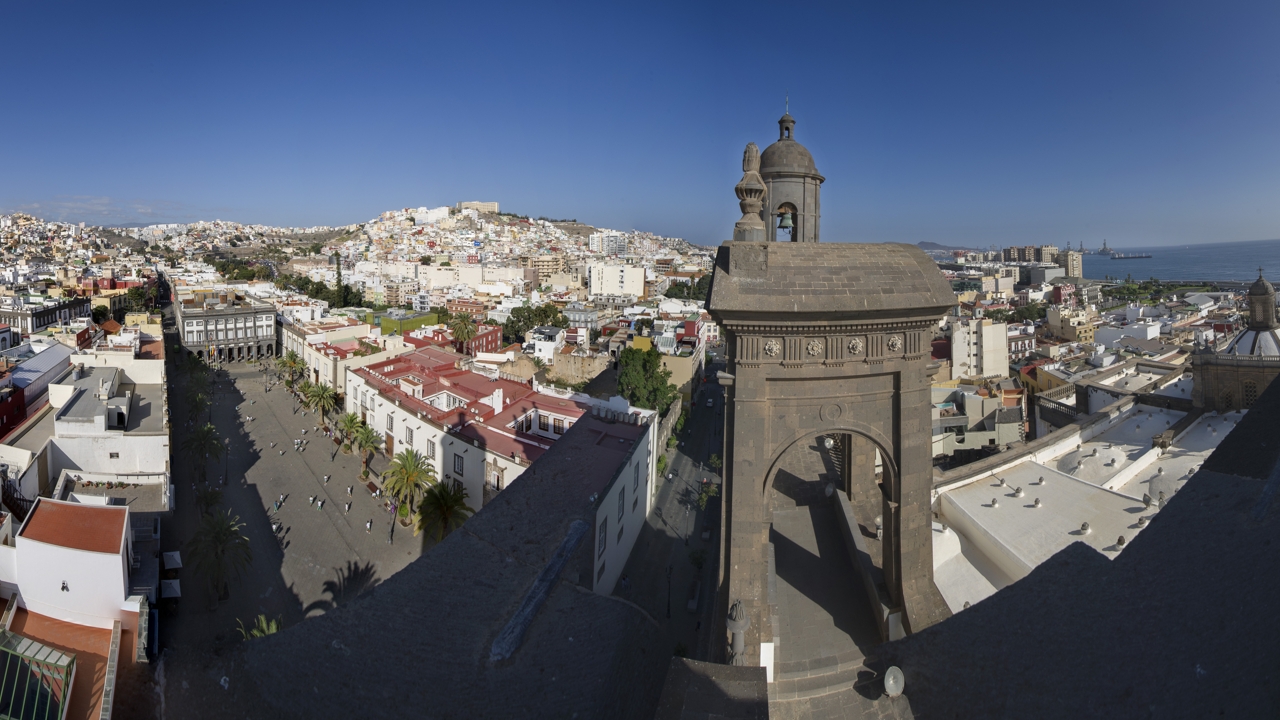
If you go up to the top of the Cathedral of Santa Ana, in Las Palmas de Gran Canaria, you are treated to a panoramic and illustrative view over the city.

It takes less than two minutes to reach the sky. The time it takes to pay 1.50€, take a modern lift for around twenty seconds, and then walk up the 54 steps that lead up to the top of the south tower of the Cathedral of Santa Ana in Las Palmas de Gran Canaria, a religious monument from where the city calls out to the heights.


Valleseco

The Apple Symphony in Valleseco

Cider, cuisine, music and traditions all come together at the fiesta of La Encarnación and the Apple fiesta of Valleseco.

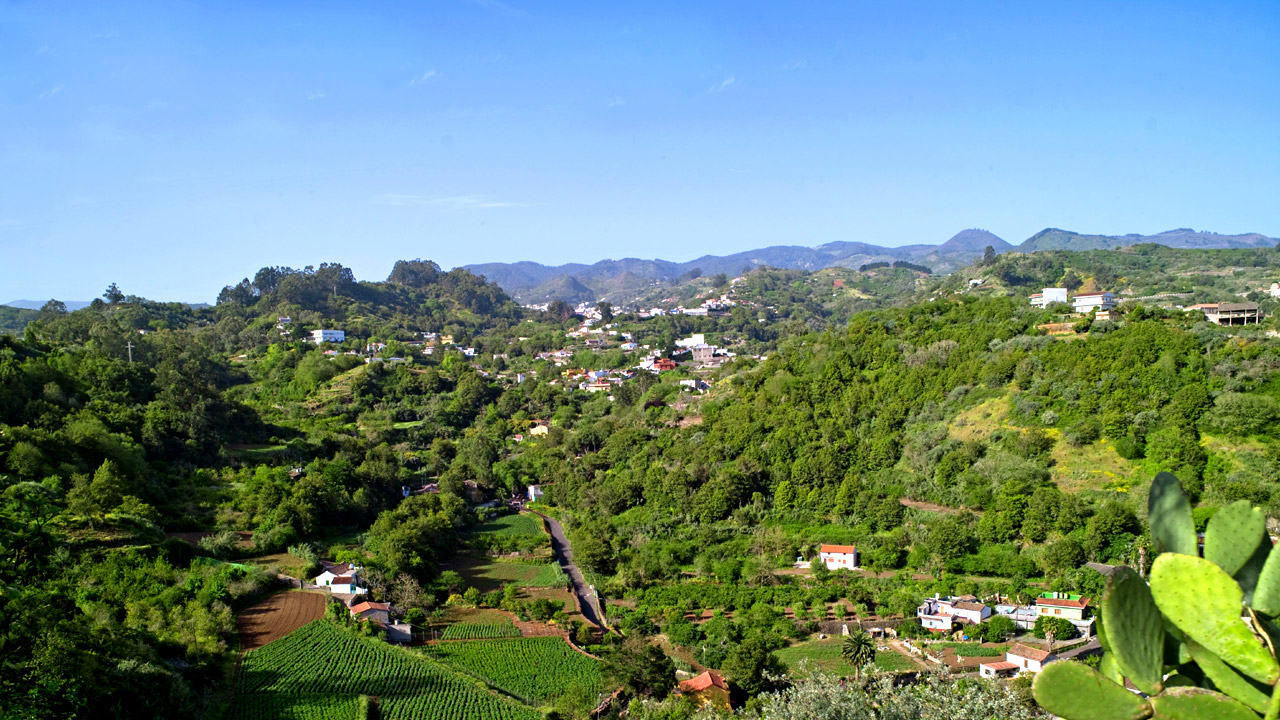
Apple trees dug their roots into the fertile soil of Valleseco at the same time as history did, here at the green heart of Gran Canaria. It all started back in 1858, when the then mayor, Vicente Suárez Rodríguez, decided to reclaim some barren land around the municipality, and plant it with fruit trees to stem the erosion. The governor provided the town hall with examples of the pippin apple trees which settled comfortably into the hillsides caressed with the gentle trade winds. These breezes maintained the optimum levels of humidity the apple trees required, known locally as manzaneros.