Blog Oficial de Turismo de Gran Canaria

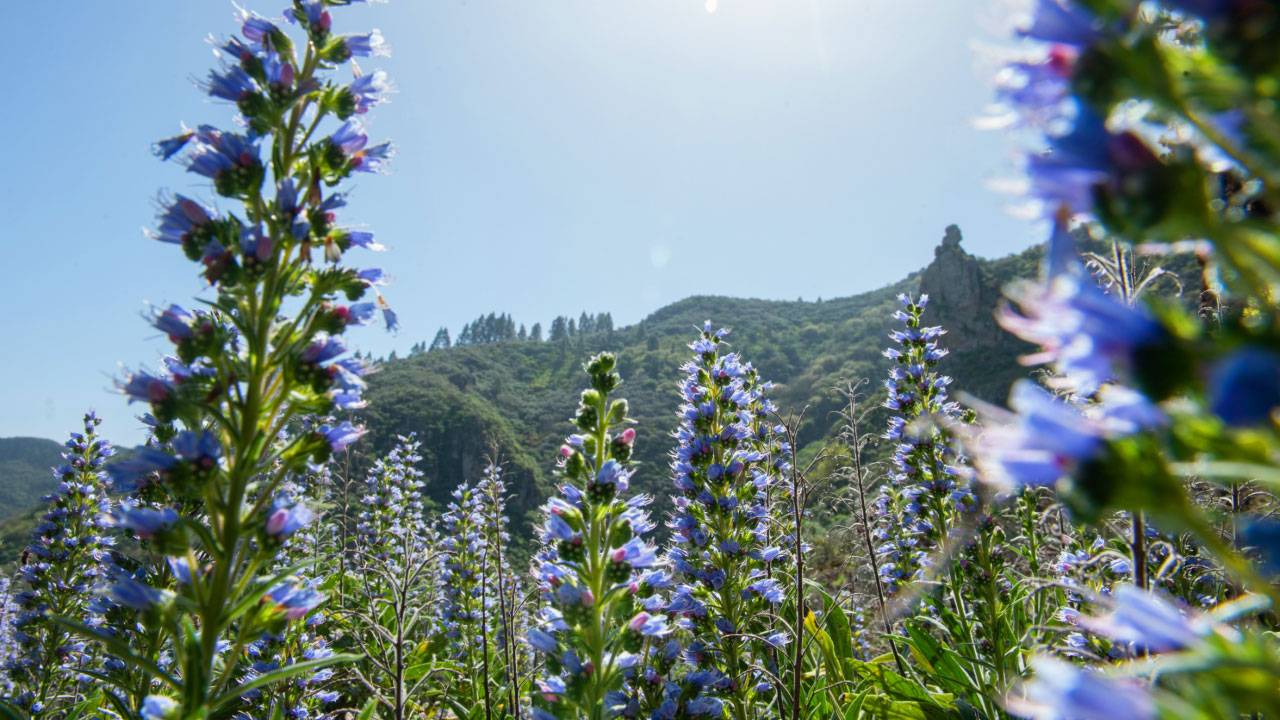
"Tajinastes azules". Tenteniguada, Valsequillo de Gran Canaria

In search of the blue tajinaste

Breathe in the mountain air and go on a ramble to see the blue tajinaste plant, one of Gran Canaria’s natural emblems.

The seeds that the blue tajinaste plants sprout from are of a discreet earthy colour. They do, however, produce bushes endemic to Gran Canaria that grow into natural towers reaching up to four metres in height, topped off by gorgeous bunches of bluey flowers. This species is indeed one of the island’s natural symbols, and it is precisely in the month of April when they are in full bloom.

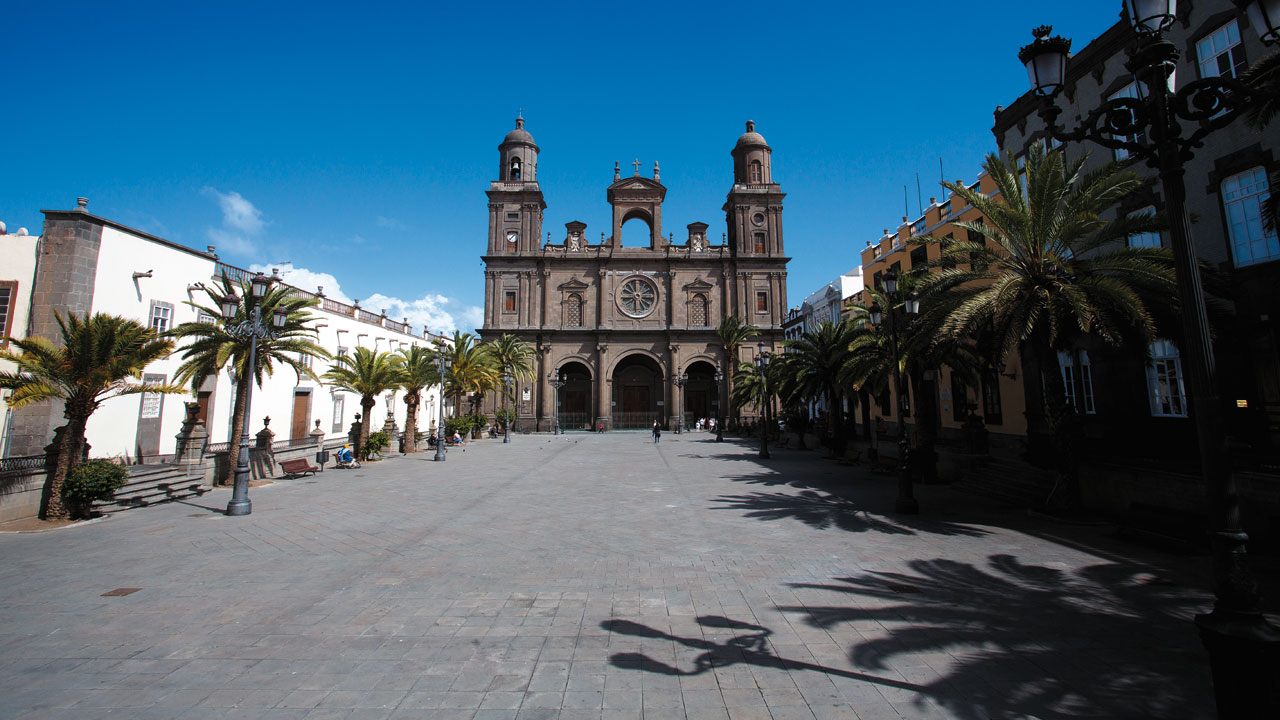
Cathedral and Plaza de Santa Ana, Vegueta, Las Palmas de Gran Canaria

The prodigal son of Easter Week in Vegueta

Easter Week in Vegueta and other places around Gran Canaria reveals the island’s huge cultural treasures and wonderful heritage.

Everything has its origins. The artist who carved out the majority of the religious figures worshipped during Easter in Las Palmas de Gran Canaria came to the city as a young boy around the middle of the 18th century to study drawing. José Luján Pérez was born in Santa María de Guía at the heart of a family of farmworkers. From a very early age his hands were able to draw and sculpture with amazing skill.


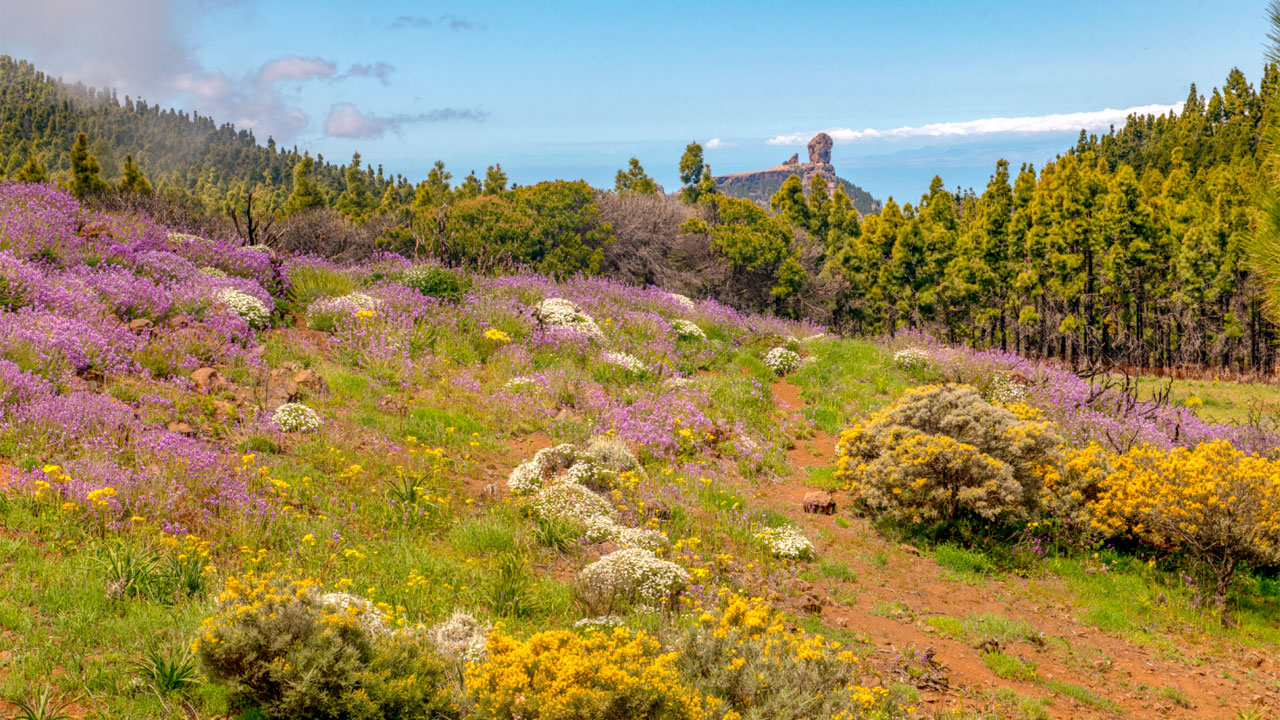
Roque Nublo

The Spring Museum opens its doors

The eternal Spring in Gran Canaria is accentuated at this time of the year with an eclosion of new life.

The calendar announces that it is now Springtime, leaving behind Winter. Gran Canaria listens and just smiles, as Spring is just another full time resident on the island. The finely striped black bee is never short of a flower to suck on nor short of reasons to take to the skies and buzz along happily.