Blog Oficial de Turismo de Gran Canaria
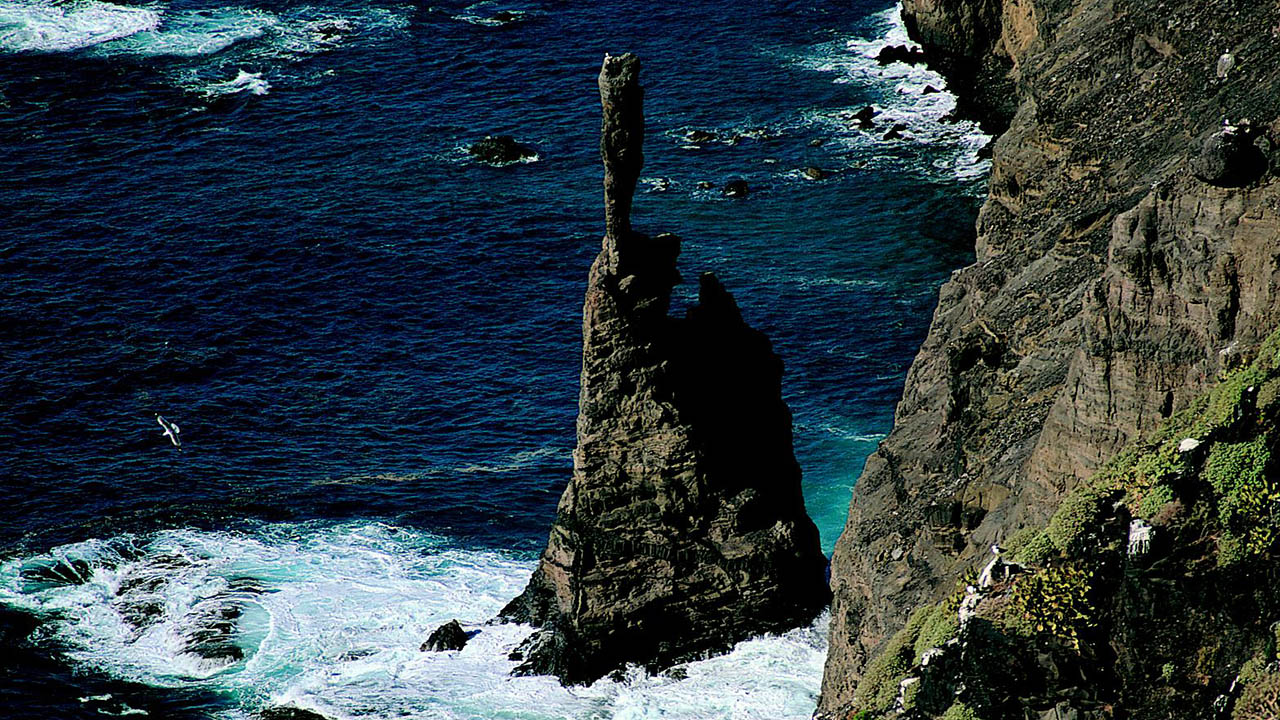
‘Dedo de Dios’ in Agaete

El Dedo de Dios and the Roque Partido: Two names for the same symbol

The rock formation at the Port of Las Nieves, in Agaete lost its pinnacle in 2005, yet it still preserves the beauty of nature’s great works of art.

In Agaete it was always called the Roque Partido (‘Broken Rock’). Dedo de Dios (‘God’s Finger’) was the name given to it by Domingo Doreste, also known as Fray Lesco, the same man who spoke of Gran Canaria as a continent in miniature. This rock formation truly has something divine about it, it always has. We felt it twenty-five years ago, before tropical storm Delta brought down its upper pinnacle, and we still feel it now, in the shapes being created by the erosion of wind and ocean.


(copy 2)

Risco Caído

Risco Caído, Gran Canaria’s Lost Temple

Risco Caído, discovered in 1996, is a shining example of Gran Canaria’s extraordinary archaeological legacy.

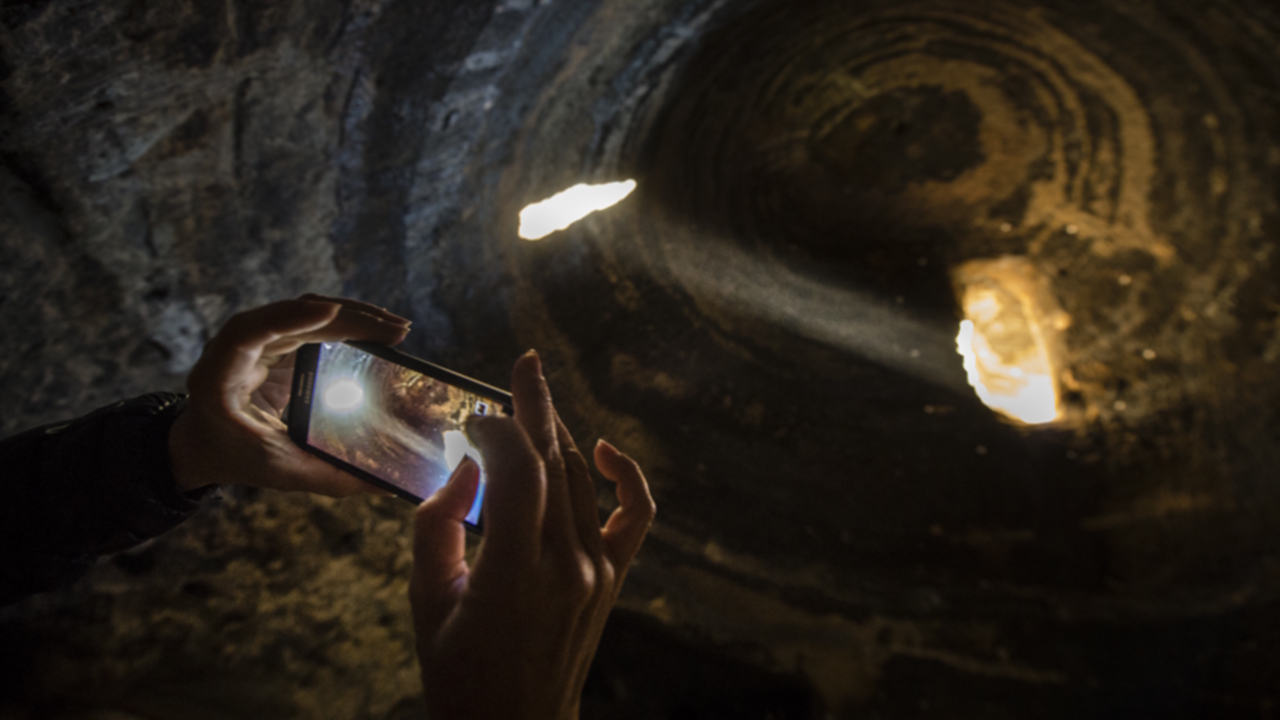
There are many timeless, mysterious places hidden away in the depths of Gran Canaria. Here, on an island that is visited by millions of tourists every year, long lost secrets continue to come to light up in the mountains. One of the most remarkable cases is the almogarén, a sacred site at Risco Caído, a place where aborigenes on the island would carry out rituals linked to astronomical cycles, with a sacred symbolism, at the heart of the colossal volcanic crater of Tejeda.


Las Palmas de Gran Canaria

Vegueta, a stroll around the New World

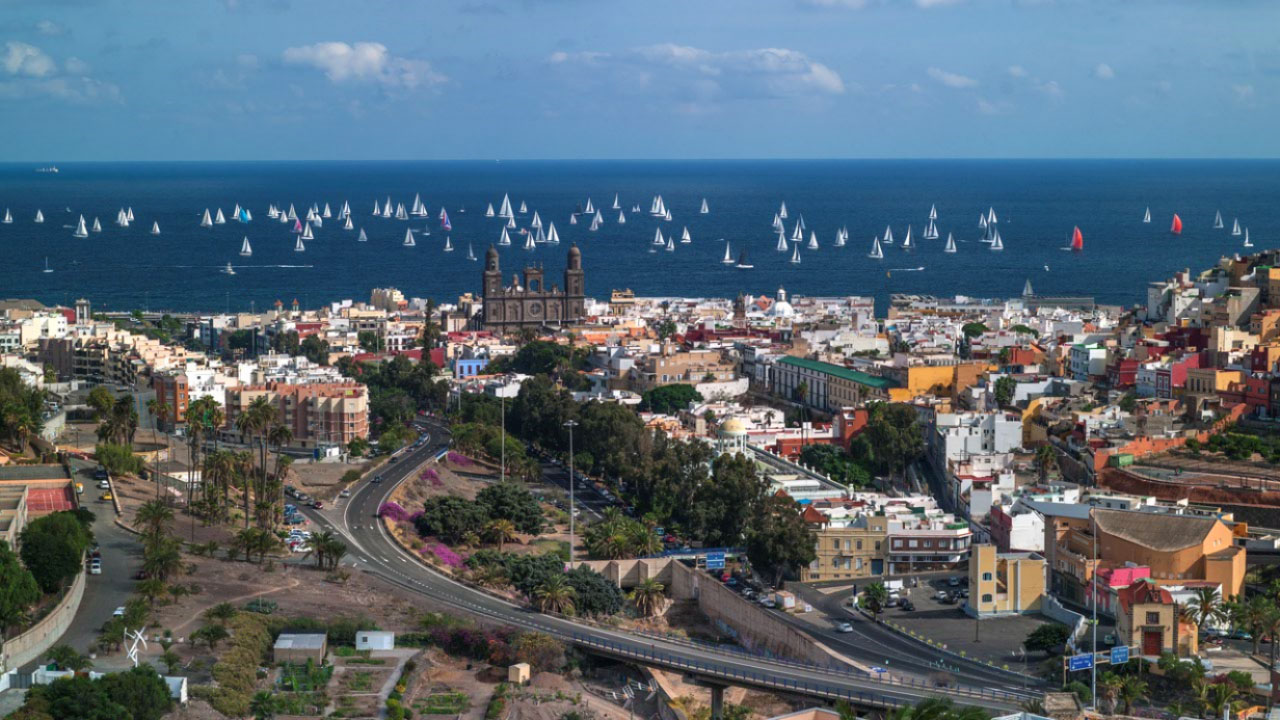
The founding neighbourhood of Las Palmas de Gran Canaria offers history, culture, cuisine and the odd enigma.

A stroll around the district of Vegueta begins at a very distinct point, back to a time over five centuries ago. At the foot of Guiniguada Ravine, gigantic palm trees rose up and served as a beacon to guide boats bringing in Spanish troops deployed at this point since 1478. The roots of those first historic palm trees that stood tall in what we now call Vegueta are also the roots to the name of Las Palmas de Gran Canaria.


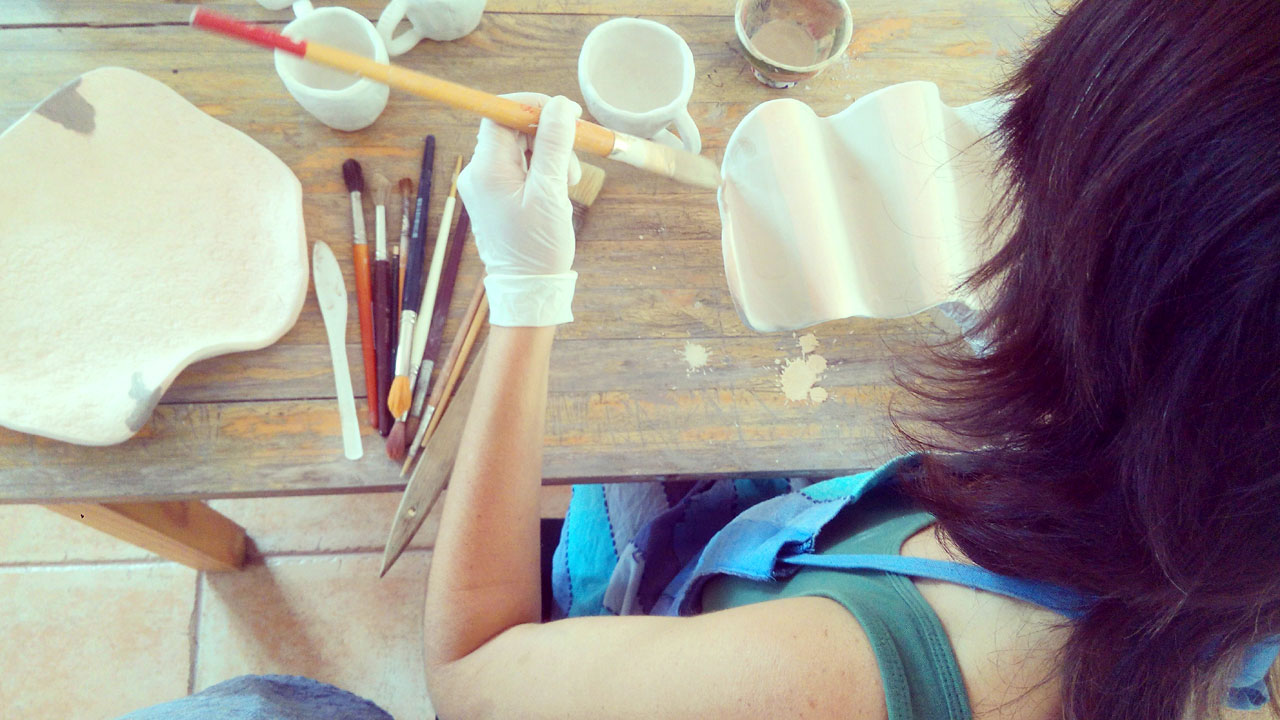
A craftswoman working in her crafts workshop

Artisan pottery and Gastronomy, a love that shines through in Gran Canaria

They say a recipe itself doesn’t have a soul, rather it is the chef that provides it. Nevertheless, nobody doubts that crockery is a fundamental part of a recipe today: it enhances the dish, while each piece adds a dash of beauty to the end product.

This opinion is shared among critics and gastronomic experts all around the world, so much so that neuroscience has taken it on to study just how the shape of crockery, along with its colour, material and density all influence how, what and how much we eat.


Instagram