Blog Oficial de Turismo de Gran Canaria

‘Dedo de Dios’ in Agaete

El Dedo de Dios and the Roque Partido: Two names for the same symbol

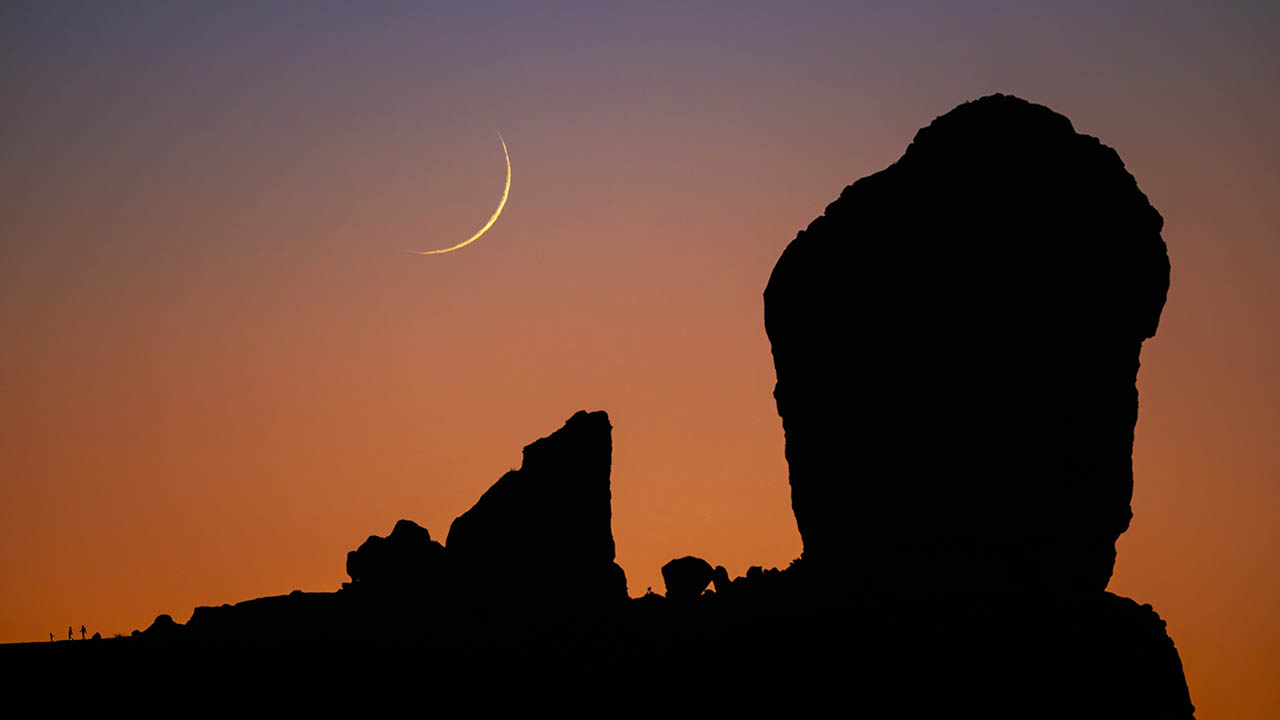
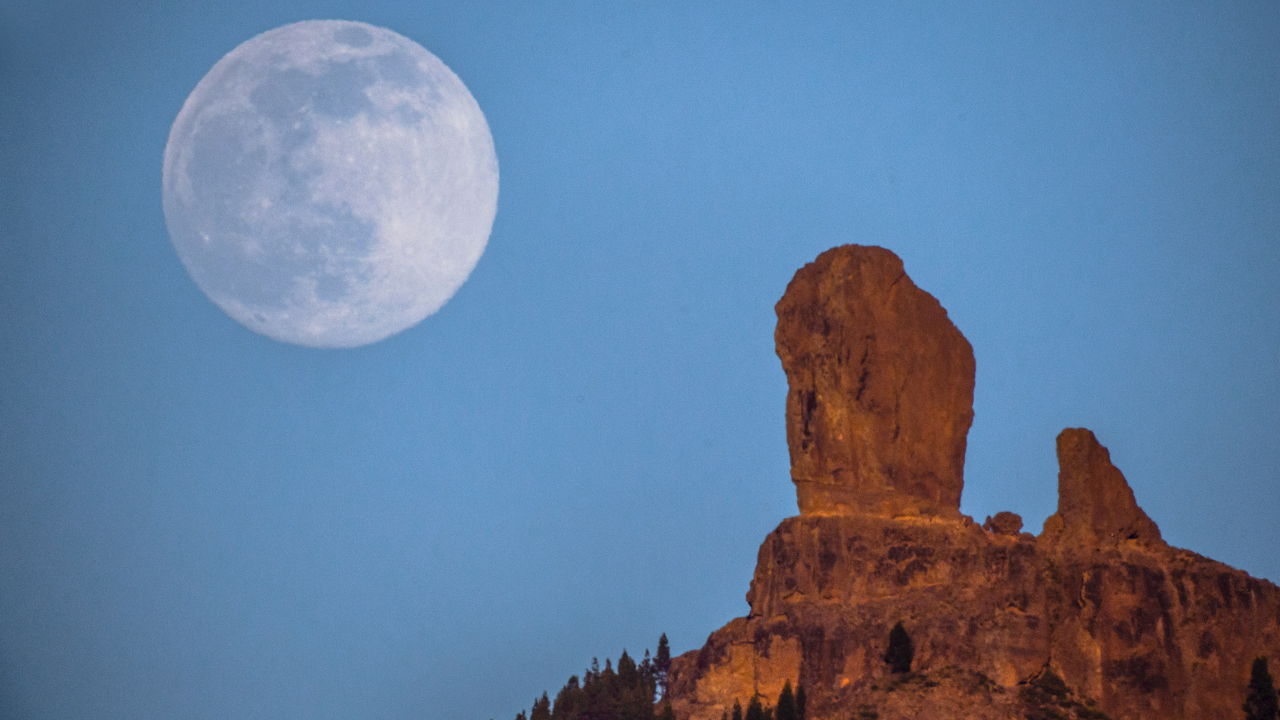
The rock formation at the Port of Las Nieves, in Agaete lost its pinnacle in 2005, yet it still preserves the beauty of nature’s great works of art.

In Agaete it was always called the Roque Partido (‘Broken Rock’). Dedo de Dios (‘God’s Finger’) was the name given to it by Domingo Doreste, also known as Fray Lesco, the same man who spoke of Gran Canaria as a continent in miniature. This rock formation truly has something divine about it, it always has. We felt it twenty-five years ago, before tropical storm Delta brought down its upper pinnacle, and we still feel it now, in the shapes being created by the erosion of wind and ocean.


(copy 2)

Salinetas, Telde

The clock that ticks on las Salinetas Beach

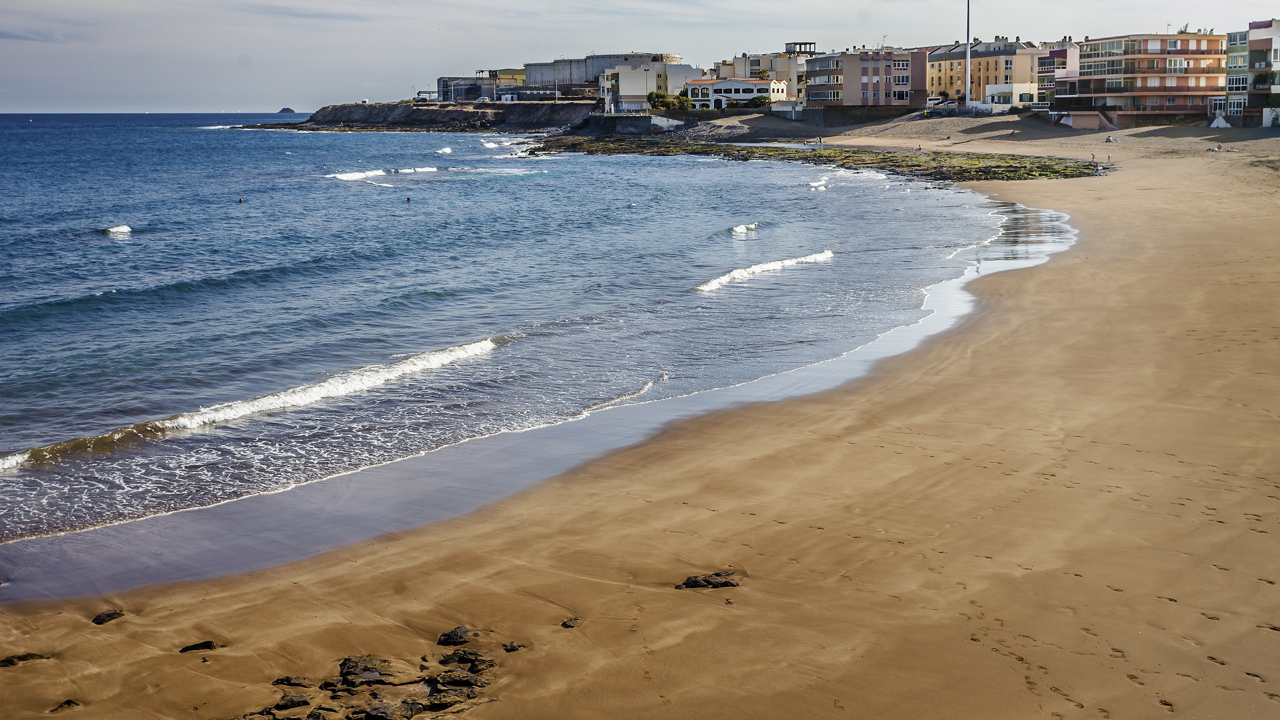
The tides and waves are the only things to mark the hours and minutes on Las Salinetas Beach, in Gran Canaria.

The tamboril fish flits around the sandy depths near to Salinetas beach (Telde, Gran Canaria), like it’s in its own larder. If it feels it is under threat, it expands like a balloon to make it look larger than it actually is, at least physically. On the shore, on the other hand, summer holiday makers have nothing to fear, as their only worry is to decide which restaurant to go to for lunch, or whether they would prefer going for a splash in the crystal clear waters, go for a snooze, or flick through a couple of pages of their book. That’s about as tough it gets during the day in Salinetas.


The Tomás Morales House Museum in Moya

The home of the poet of the ocean in Gran Canaria

The Tomás Morales House Museum in Moya is a showcase of the profoundness of cultura in Gran Canaria.

There once was a poet who instead of dipping his feather in ink, he dipped it directly into the sea water. He was called Tomás Morales, and was born in Moya in 1884 and is considered one of the leading lights in modernism in Spain. His poems contain traces of foam and salt, because, as he said himself, they come from the infinite Atlantic.


Huerto de las Flores, Agaete

7 curious facts about Huerto de las Flores

Huerto de las Flores is a botanical garden in Agaete, in Gran Canaria, with over a hundred different plant species from around the world

1. Travelling plants that have spread their roots in Agaete.
A passion for travelling and botany were the seeds that led to Huerto de las Flores coming into being, a most beautiful and delicate botanical garden in Agaete (Gran Canaria). Its roots date back to the end of the 19th century, when its creators, members of the De Armas family, would bring tree seeds and cuttings back with them from their trips abroad. Many of these species came from America, as well as many other latitudes. These plants came to the island and adapted well to it, although be it said it is not hard to settle in a place like Agaete.


Instagram