Blog Oficial de Turismo de Gran Canaria
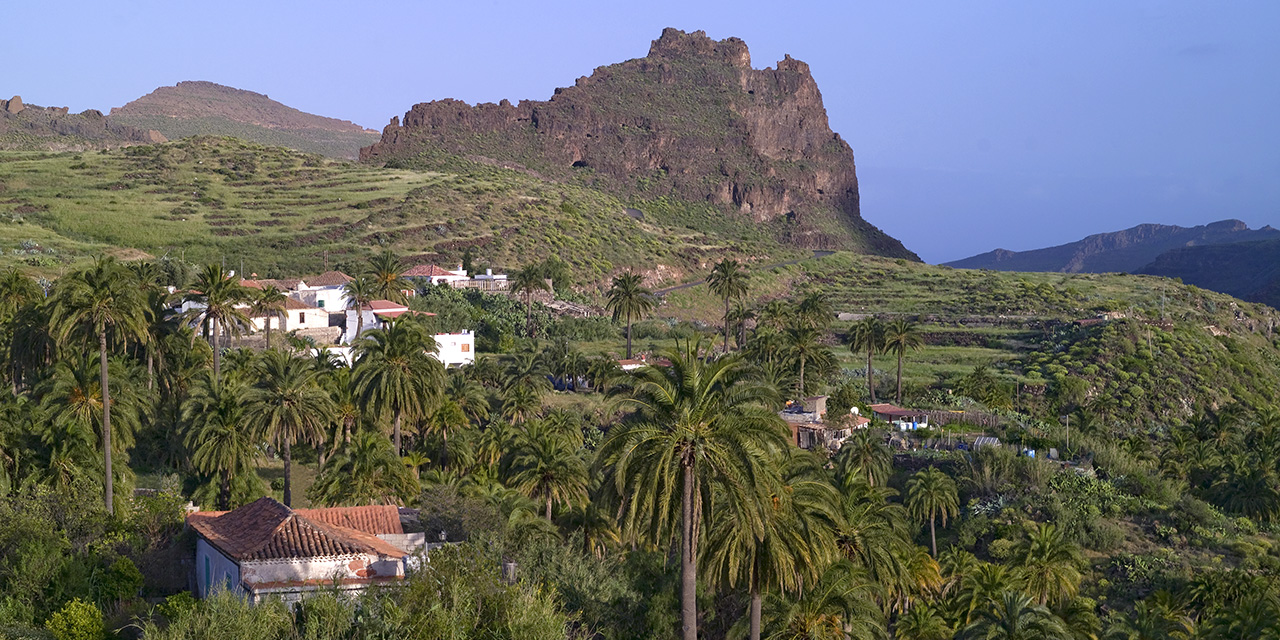
Agaete, Gran Canaria

Agaete, the Measure of Beauty in Gran Canaria

The World Tourism Organization (UN Tourism) names the Gran Canaria municipality the Best Tourism Village 2025.

Agaete is a verse by Tomás Morales, a brushstroke from a luminous painting by Pepe Dámaso, the sound of oars slicing through the ocean waters. It is the early-morning crack of a firework, the cheerful bustle of music and papagüevos, a sunset gazing towards Mount Teide. It is a play of colours that changes every day, the Faneque cliff rising over the Atlantic; it is the sea, the trace of an ancient aboriginal culture, Malpaís and Maipés. It is a lush valley, it is coffee, mango, orange and papaya; it is fish, it is the crab that peeks out as the waves break. It is El Juncal, the devotion to the Flemish painting of the Virgin of Las Nieves, it is Faneroque, Antigafo, El Risco – and the majesty, energy and magic of Guayedra Beach.


(copy 2)

Tilos de Moya

A fairytale day out for all the family in Gran Canaria’s magical woods: Los Tilos de Moya

This accessible two-kilometre circular route round Los Tilos is the perfect excursion to enjoy this mysterious, leafy laurel forest, which has survived from the Tertiary Period.

You and your family can live out this fairytale in Gran Canaria. This story begins in the sky and draws to a close under the trees, where life has found a place for itself, anchored in time, making this a bastion of the island’s laurel forest. This type of forest existed long before any human beings trod the Earth, and it has found refuge in the Natural Reserve of Los Tilos de Moya.


Guguy beach

Biosphere Reserve, all the faces of Gran Canaria

The magic of the Gran Canaria Biosphere Reserve is swaddled in a murmur of nature and human heartbeats. On the one hand, the space shows the thousand faces of the Island’s landscape. The other faces of the land are far from metaphoric. They belong to the men and women who have proven their close links to the environment through traces of rural uses, such as the case of lime ovens, tar or fish ovens, charcoal bunkers and windmills. Life literally relied on nature, as shown in the use of pine needles to fill mattresses and plump up the place where livestock slumbered.


Instagram