Blog Oficial de Turismo de Gran Canaria
‘Dedo de Dios’ in Agaete

El Dedo de Dios and the Roque Partido: Two names for the same symbol

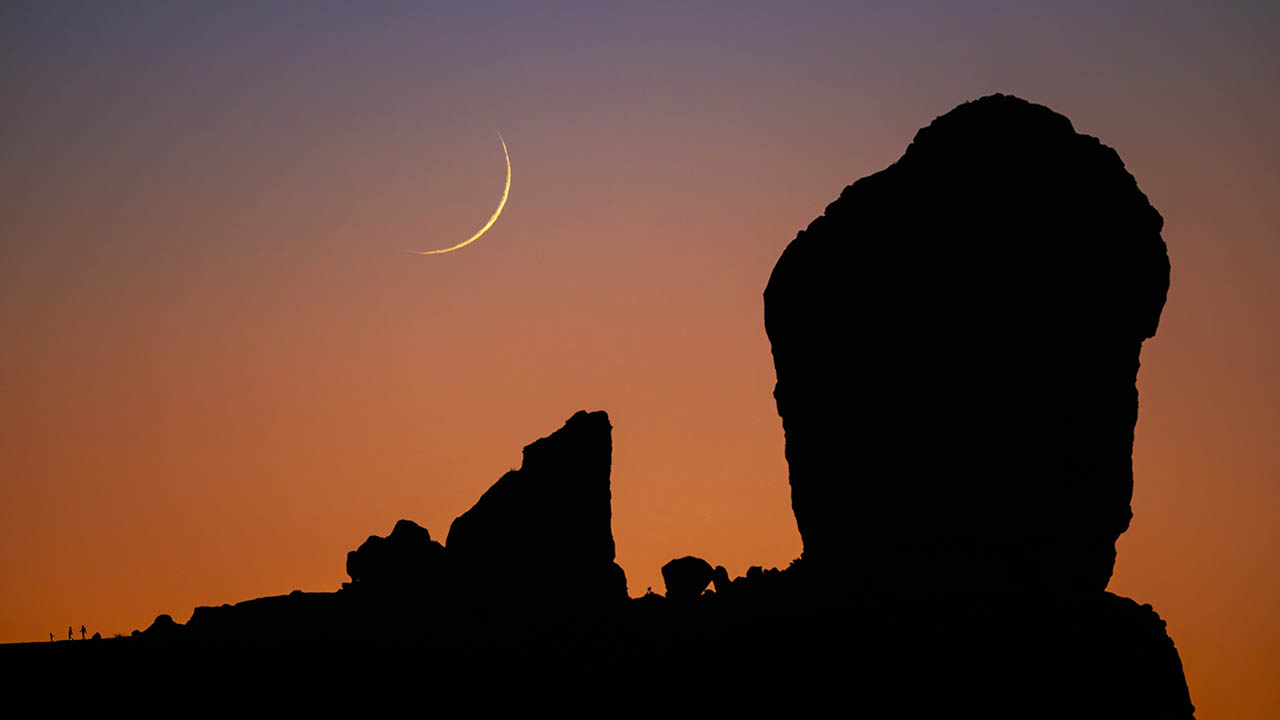
The rock formation at the Port of Las Nieves, in Agaete lost its pinnacle in 2005, yet it still preserves the beauty of nature’s great works of art.

In Agaete it was always called the Roque Partido (‘Broken Rock’). Dedo de Dios (‘God’s Finger’) was the name given to it by Domingo Doreste, also known as Fray Lesco, the same man who spoke of Gran Canaria as a continent in miniature. This rock formation truly has something divine about it, it always has. We felt it twenty-five years ago, before tropical storm Delta brought down its upper pinnacle, and we still feel it now, in the shapes being created by the erosion of wind and ocean.


(copy 2)

San Gregorio, Telde

San Gregorio, the tale continues

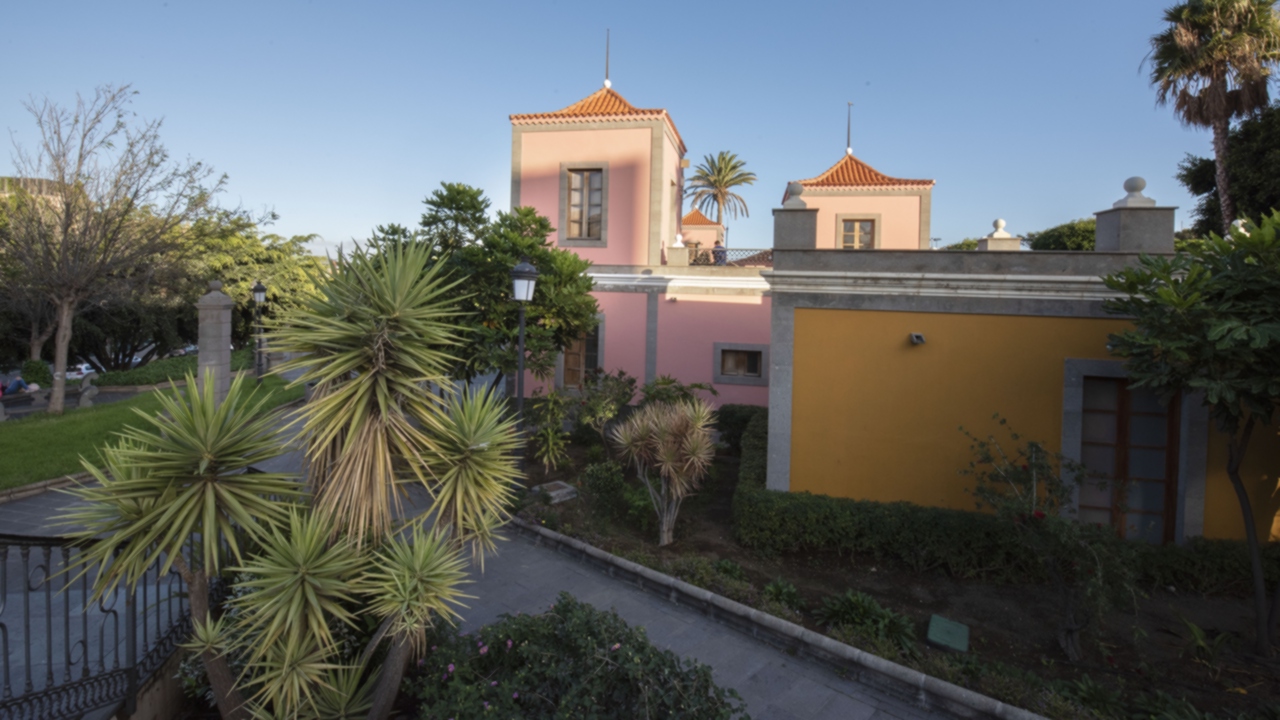
The neighbourhood of San Gregorio de Telde, in Gran Canaria, is an exciting blend of history, architecture, commerce and restaurants.

The sign on a small and inviting shop announcing the sale of both music and fishing gear in one synthesises the ability of the neighbourhood of San Gregorio in Telde, Gran Canaria, to surprise and excite. It is bustling with life, a place where a highly important heritage goes hand in hand with a great shopping area and a range of restaurant establishments, offering visitors an all-enveloping, and possibly unexpected, experience at this location to the southeast of the island.


Valle de Agaete

Centuries of sunshine, coffee and wines

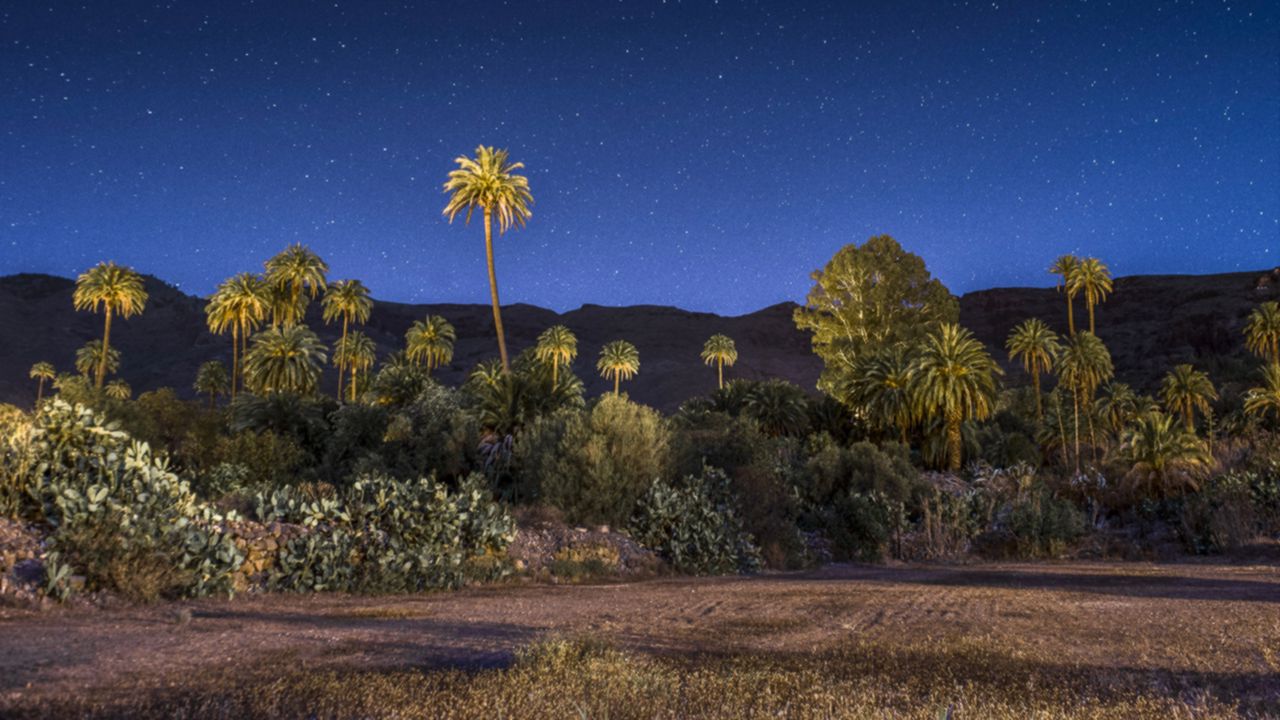
Finca La Laja reflects the generous and diverse landscape of Agaete Valley, in Gran Canaria.

High up, in Tamadaba Crag, the pine forest juts out, and the water oozing from the Stone shines like a mirror or a silver sheet under the sun. About one thousand metres below, at the foot of the ridge, in Finca La Laja, deep in the heart of Agaete Valley (Gran Canaria), Víctor Lugo Jorge, fifth generation of a family whose history intertwines with the roots of centenary trees, offers in his hands the fruits just harvested from the coffee plants that grow under the shade of orange trees and vines, escorted by a tropical garden of mangoes, avocados and guayabos.


Mirador de Unamuno, Artenara

Artenara, from Here to Eternity

Artenara, located at Gran Canaria’s summit, keeps alive a unique tradition linked to the heart of the volcanic rock, of a purity hard to find in today’s day and age.

The artist Miró Mainou used to search the light looking for the truth. Maybe for this reason he settled in Artenara for over a decade, a village where life draws every day on a canvas of light and calm, the customary stage of a village nestled on the border of a colossal volcanic basin and the doors to Heaven. Here, Mainou’s brushes found the light, and here he won the Canary Islands Fine Arts Award, when he portrayed in lights and shadows the essence of the landscape, in paintings such as ‘Cumbre’ (‘Summit’). Nowadays, the mural painted by the students of Gran Canaria’s School of Art & Design recreates the piece on the façade of the house where the artist lived between 1977 and 1989.


Instagram