Blog Oficial de Turismo de Gran Canaria
‘Dedo de Dios’ in Agaete

El Dedo de Dios and the Roque Partido: Two names for the same symbol

The rock formation at the Port of Las Nieves, in Agaete lost its pinnacle in 2005, yet it still preserves the beauty of nature’s great works of art.

In Agaete it was always called the Roque Partido (‘Broken Rock’). Dedo de Dios (‘God’s Finger’) was the name given to it by Domingo Doreste, also known as Fray Lesco, the same man who spoke of Gran Canaria as a continent in miniature. This rock formation truly has something divine about it, it always has. We felt it twenty-five years ago, before tropical storm Delta brought down its upper pinnacle, and we still feel it now, in the shapes being created by the erosion of wind and ocean.


(copy 2)

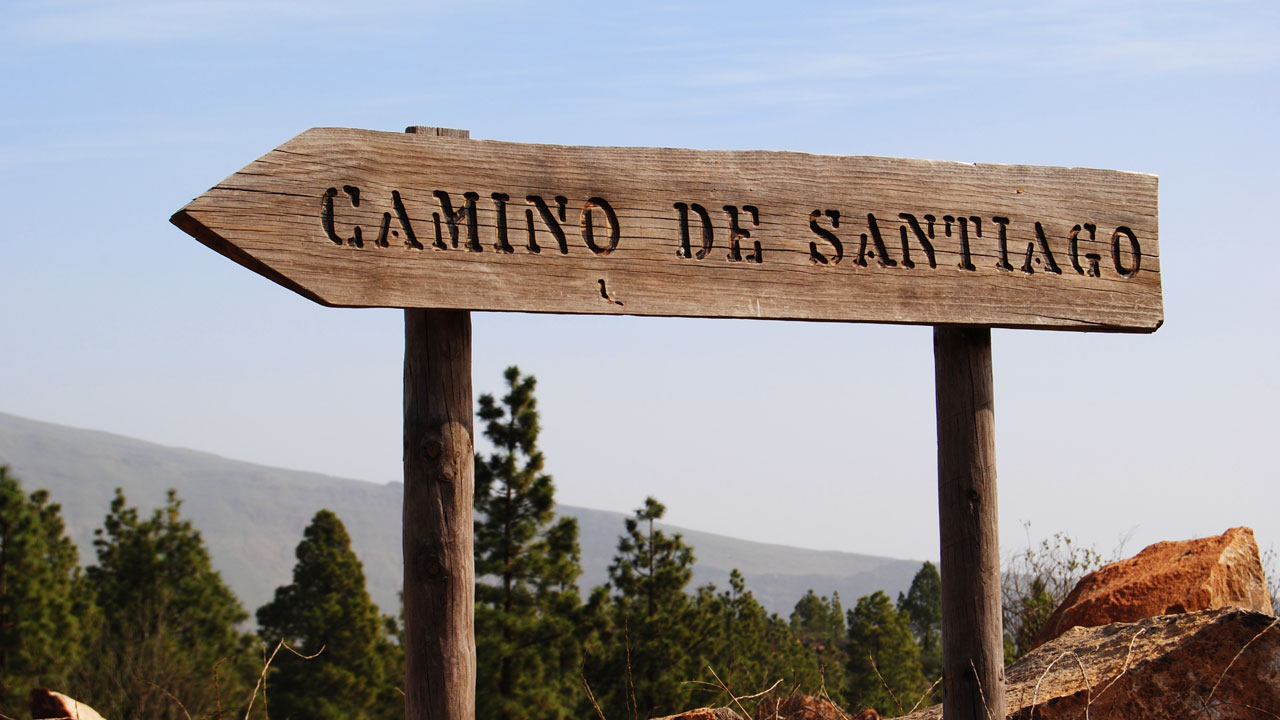
Camino de Santiago

Discover the famous pilgrims’ way known as El Camino de Santiago in Gran Canaria through www.jacobeogaldar.es

The Camino de Santiago in Gran Canaria stretches along 66 kilometers and takes about 23 hours to complete. A large part of this trail was used by the ancient inhabitants of the island as a communication route from the south to the north and, later, it came to be used by herders who practised transhumance, -that is, the seasonal migration of livestock in search of better pastures-, and by pilgrims.


Las Canteras

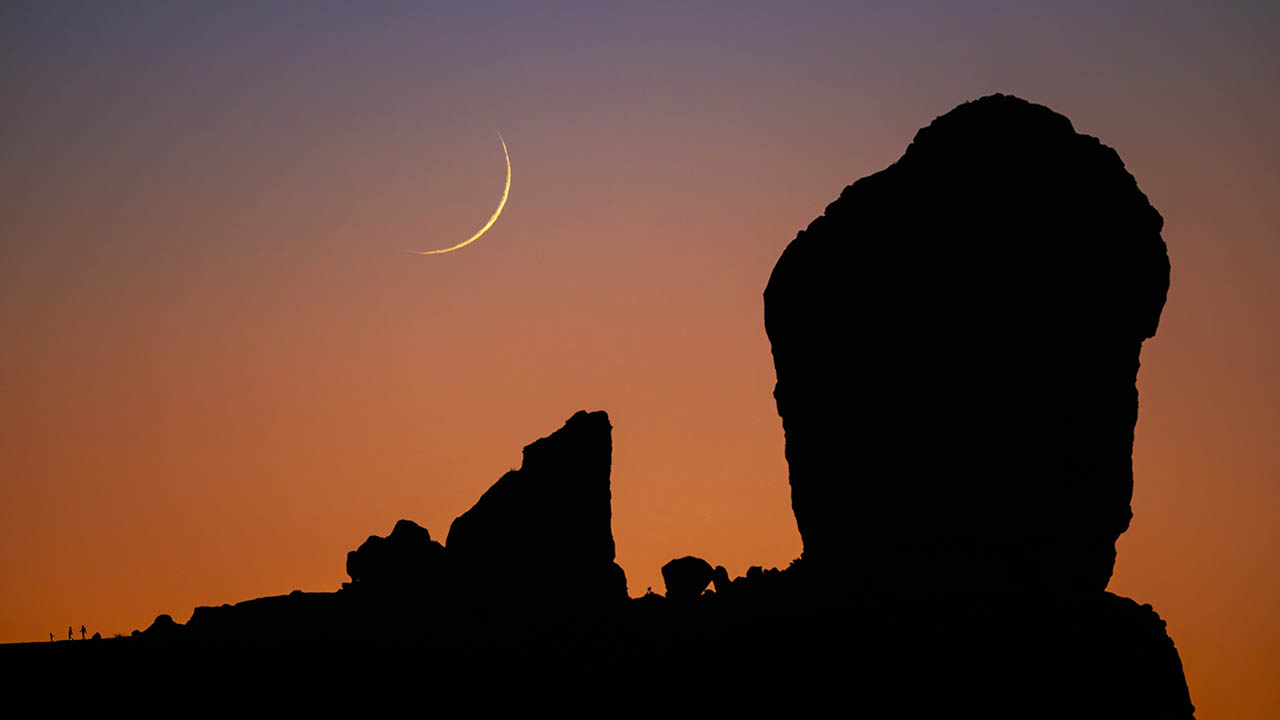
Some of the best places in Gran Canaria to watch the sun go down

There is a special moment, at the end of a long, lazy day, when the light dances over the landscape soaking it in a warm glow, that makes everything we see through the lens of our camera seem magical. This is the golden hour. Then it's suddenly the blue hour, when the yellow and orange tones give way to pink hues, going on to fade to an intense blue.

The island of Gran Canaria has a lot of places where you can take in this symphony of colors.


Instagram