Blog Oficial de Turismo de Gran Canaria
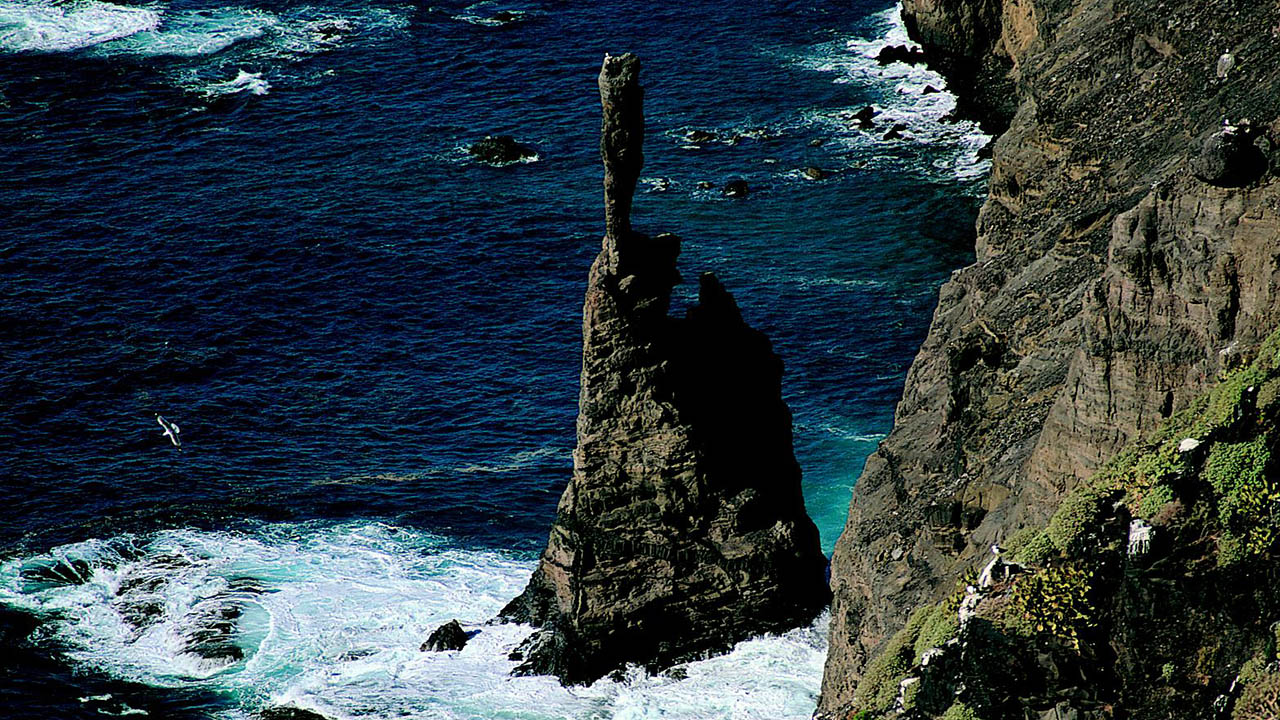
‘Dedo de Dios’ in Agaete

El Dedo de Dios and the Roque Partido: Two names for the same symbol

The rock formation at the Port of Las Nieves, in Agaete lost its pinnacle in 2005, yet it still preserves the beauty of nature’s great works of art.

In Agaete it was always called the Roque Partido (‘Broken Rock’). Dedo de Dios (‘God’s Finger’) was the name given to it by Domingo Doreste, also known as Fray Lesco, the same man who spoke of Gran Canaria as a continent in miniature. This rock formation truly has something divine about it, it always has. We felt it twenty-five years ago, before tropical storm Delta brought down its upper pinnacle, and we still feel it now, in the shapes being created by the erosion of wind and ocean.


(copy 2)

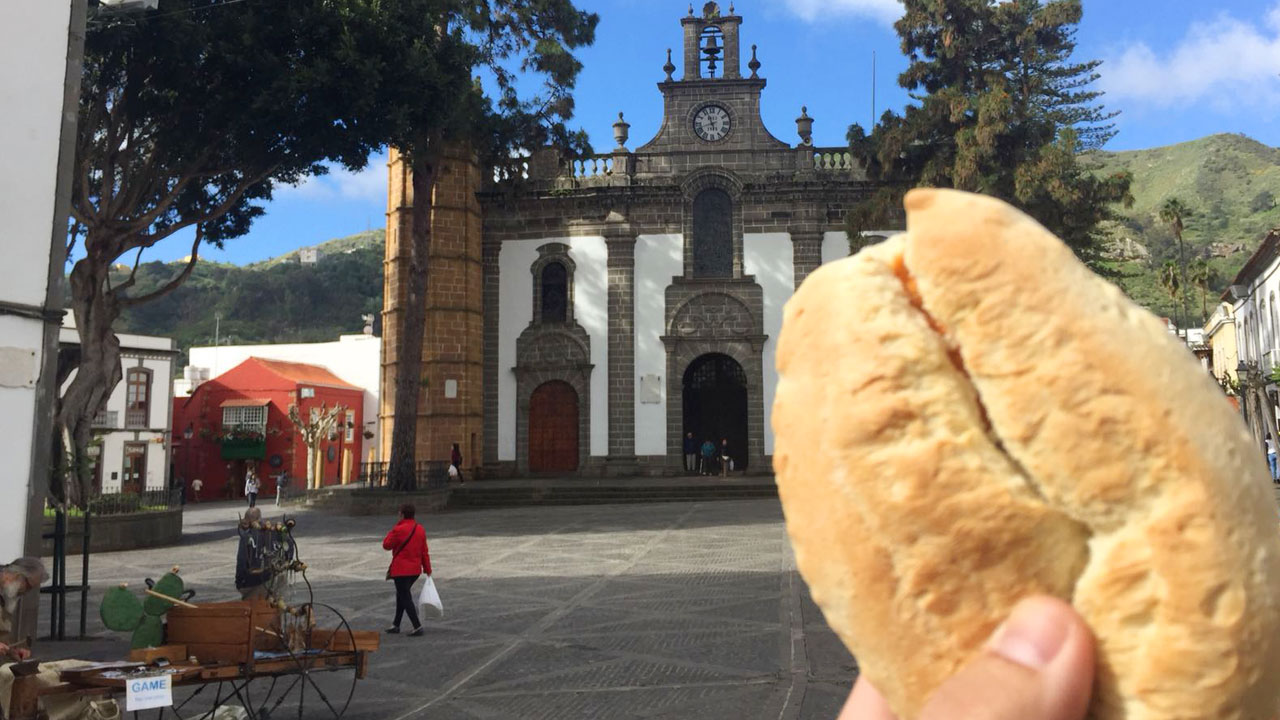
Agüimes

Agüimes, the art of life in Gran Canaria

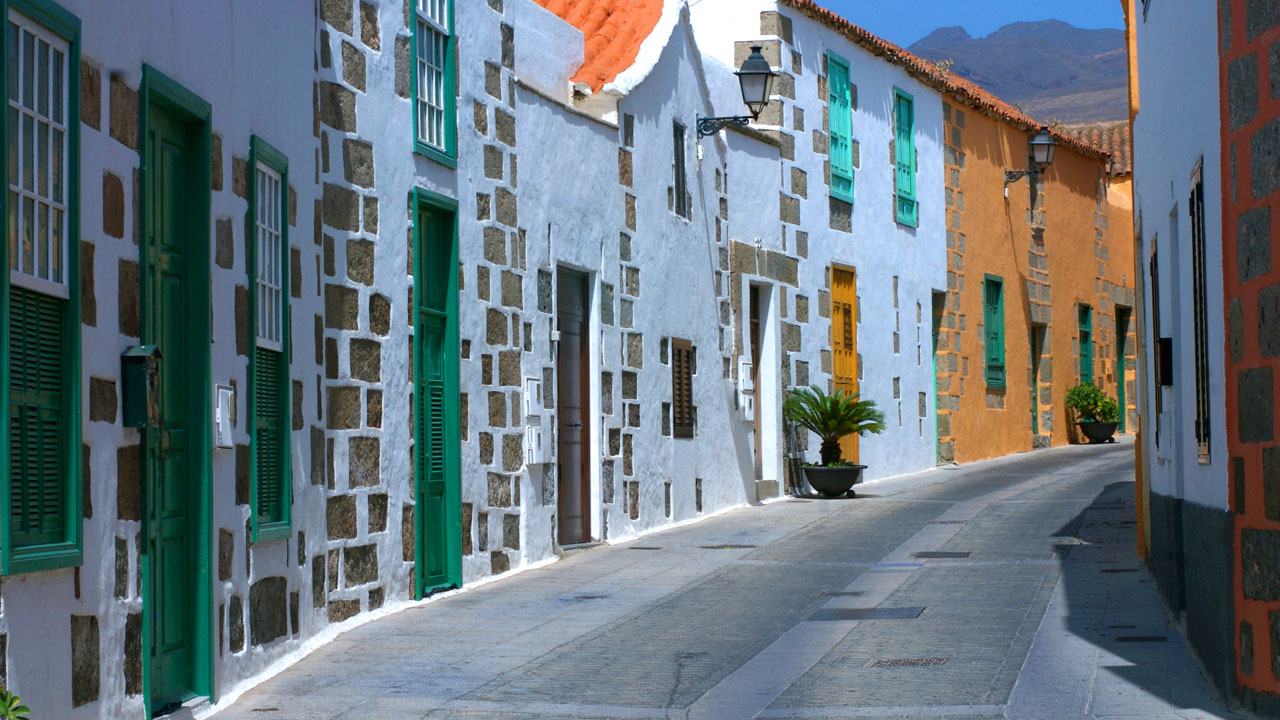
The historic town centre of Villa de Agüimes, in the southeast of Gran Canaria, is a heady and empowering setting.

Life is art in Agüimes. Every corner of its old town centre looks like it has been chiselled out especially. These painstaking efforts have created a setting in which tradition and history have melted into one. A whole grid of main streets, backstreets, squares and alleyways have forged a quite heady beauty.


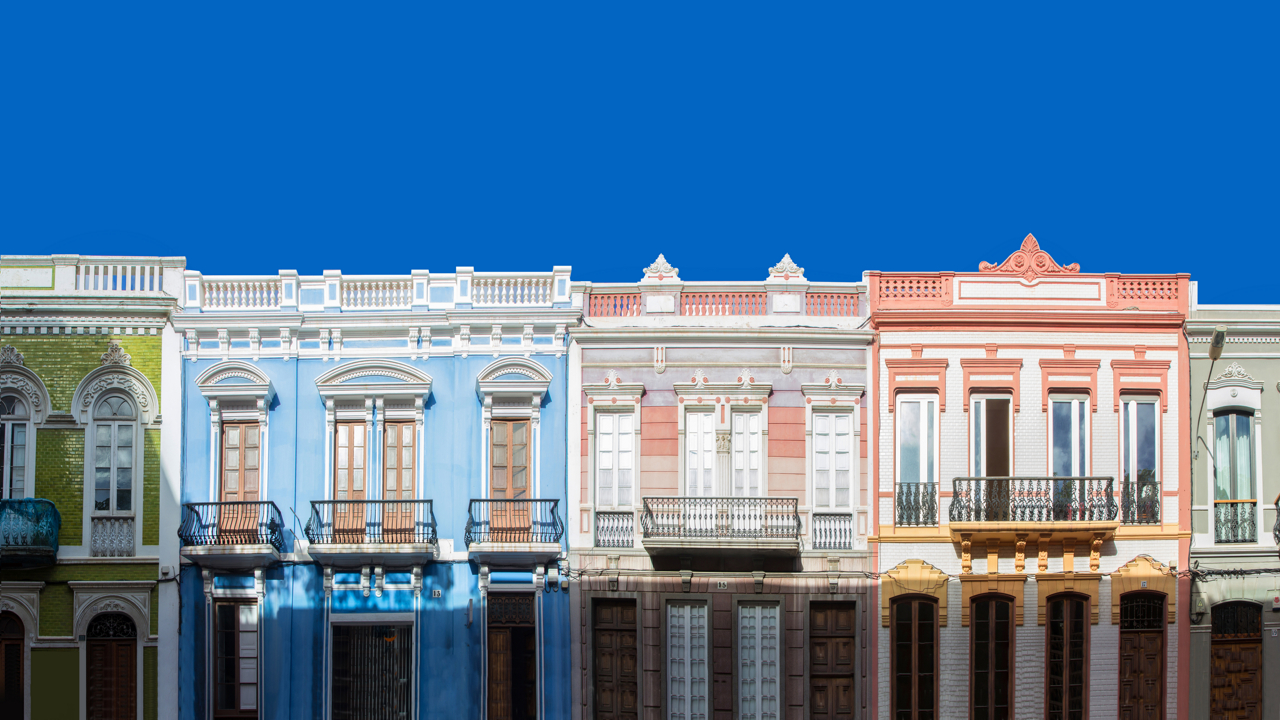
Perojo Street

Calle Perojo, the street in Gran Canaria that runs on forever

Calle Perojo, with its Site of Cultural Interest award, features a range of colourful, architectural styles and a passion for detail in Las Palmas de Gran Canaria.

Architecture, colour and a passion for detail are the attractions along Calle Perojo in Las Palmas de Gran Canaria, a street that has been awarded the title of Site of Cultural Interest (BIC in Spanish) in the category of Historical Location, in recognition of its great beauty and artistic value. A walk around this emblematic street in the island’s capital is to delve into an elegant environment in which past and present go hand in hand to provide a memorable urban experience.


Instagram