Blog Oficial de Turismo de Gran Canaria
‘Dedo de Dios’ in Agaete

El Dedo de Dios and the Roque Partido: Two names for the same symbol

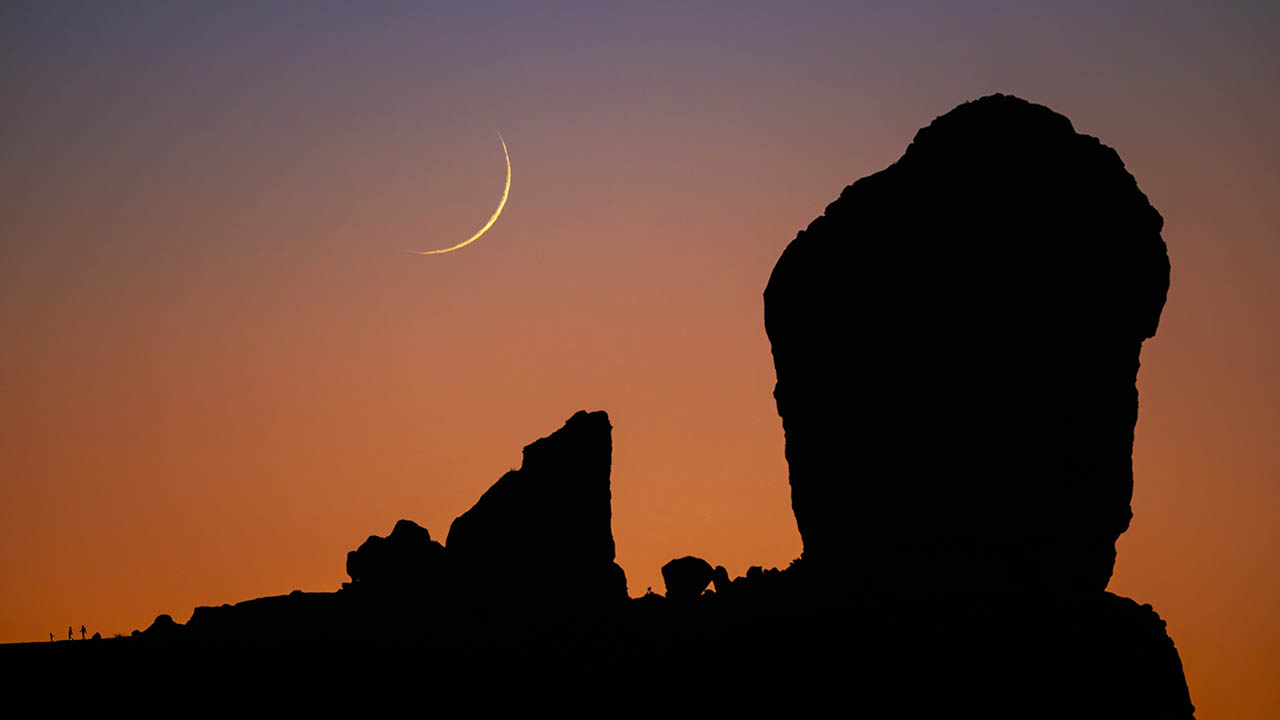
The rock formation at the Port of Las Nieves, in Agaete lost its pinnacle in 2005, yet it still preserves the beauty of nature’s great works of art.

In Agaete it was always called the Roque Partido (‘Broken Rock’). Dedo de Dios (‘God’s Finger’) was the name given to it by Domingo Doreste, also known as Fray Lesco, the same man who spoke of Gran Canaria as a continent in miniature. This rock formation truly has something divine about it, it always has. We felt it twenty-five years ago, before tropical storm Delta brought down its upper pinnacle, and we still feel it now, in the shapes being created by the erosion of wind and ocean.


(copy 2)

Roque Nublo

The five enigmas of Roque Nublo

The Roque Nublo, one of Gran Canarias’most stunning natural symbols, sits upon the summit waiting for you to unveil its mysteries.

1. What are the stones made of? This first mystery echoes around from stone to stone and from rock to rock. What are the stones from the summit of Gran Canaria made of? Moreover, what is the Roque Nublo, the great emblem of the island, made of? The answer can be found in fire and in time. This spectacular monolith, measuring some eighty metres high, and at over eight hundred metres altitude, is the stony witness to the volcanic explosion that occurred several million years ago. The most patient rock sculptor that exists, namely time, has since shaped the ashes and the rest of the pyroclastic rocks into the figure of the Roque Nublo that stands before us today.


María Sirotkina

Las Palmas de Gran Canaria, the nomad city

Las Palmas de Gran Canaria has developed into a top European destination for digital nomads, as it brings together the vast majority of attractions they are looking for.

María Sirotkina was born on the banks of the river Sura, in the Russian city of Penza, where the temperature from November to March rarely creeps up over a chilly zero degrees. María has swapped this frozen beauty spot for the more warming climate of Las Palmas de Gran Canaria.


Instagram