Blog Oficial de Turismo de Gran Canaria
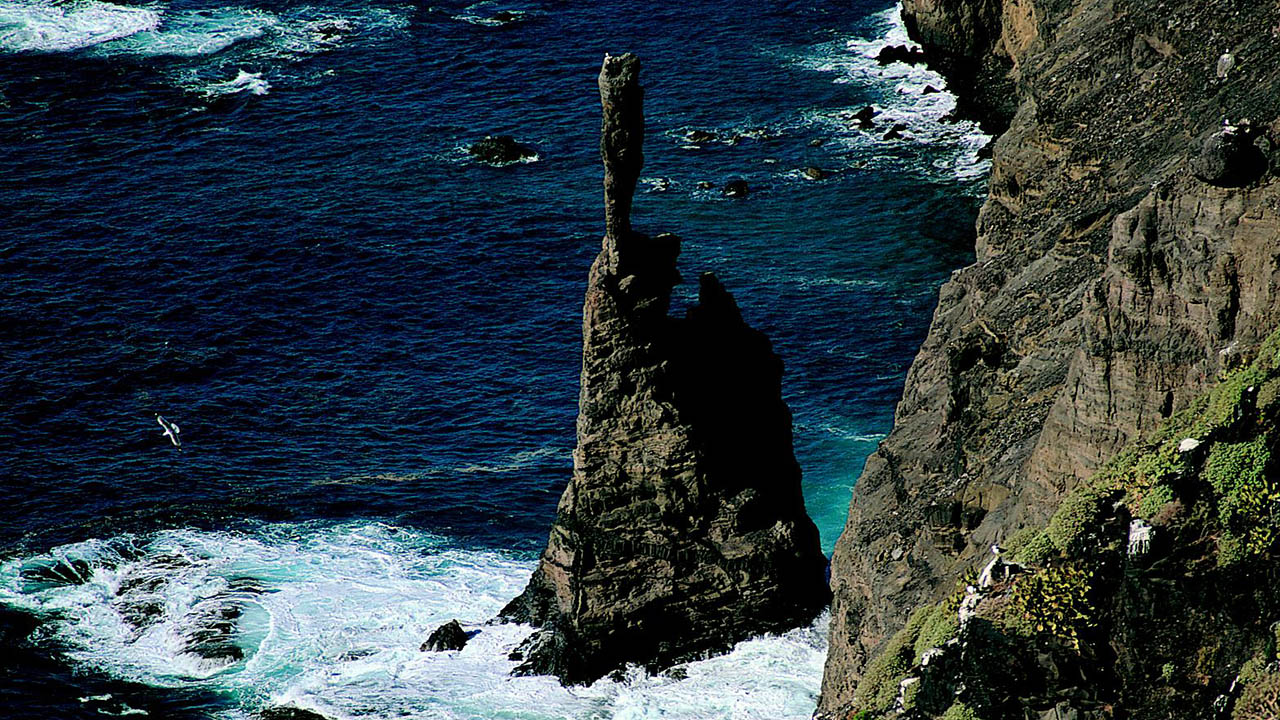
‘Dedo de Dios’ in Agaete

El Dedo de Dios and the Roque Partido: Two names for the same symbol

The rock formation at the Port of Las Nieves, in Agaete lost its pinnacle in 2005, yet it still preserves the beauty of nature’s great works of art.

In Agaete it was always called the Roque Partido (‘Broken Rock’). Dedo de Dios (‘God’s Finger’) was the name given to it by Domingo Doreste, also known as Fray Lesco, the same man who spoke of Gran Canaria as a continent in miniature. This rock formation truly has something divine about it, it always has. We felt it twenty-five years ago, before tropical storm Delta brought down its upper pinnacle, and we still feel it now, in the shapes being created by the erosion of wind and ocean.


(copy 2)

Gran Canaria boasts blue flag beaches

Gran Canaria has become the Canary Island to have the highest number of beaches with blue flags, with a total of 14 beaches currently holding this award.

Gran Canaria continues to wave the Blue Flag. The international jury has recognised this fact by awarding fourteen of the island’s beaches with this distinción, making it the island with the most blue flags in the archipielago. The awards are made by the European Foundation of Environmental Quality once they have analyzed a series of parametres including  water quality, environmental management, security and services, and information supplied to users.


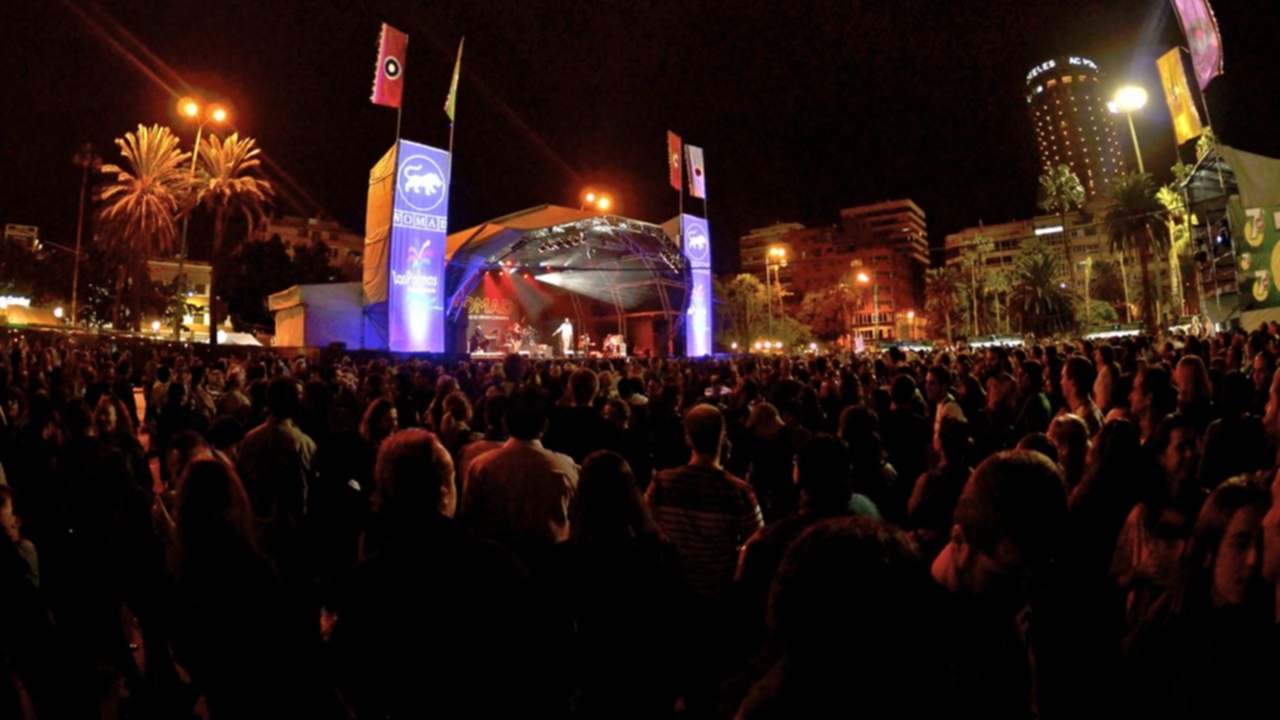
WOMAD Las Palmas de Gran Canaria

Womad, the whole planet dances in Gran Canaria

The Womad Festival provides a great chance to get to know Las Palmas de Gran Canaria and the island as a whole.

The whole world will be up singing and dancing between 7th and 10th November at Santa Catalina Park in Las Palmas de Gran Canaria, with the celebration of the Womad (World of Music, Arts & Dance) Festival, an event that will bring together dozens of artists from a wide range of places such as South Africa, Argentina, Morocco, United Kingdom, Mali, the West Indies and Israel.


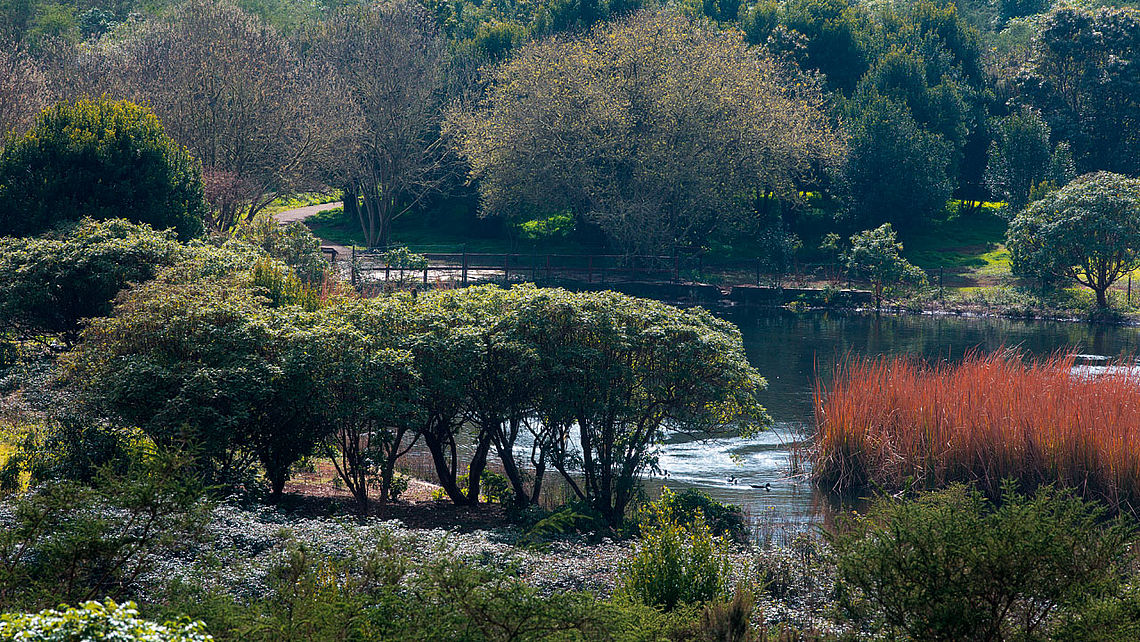
Laguna de Valleseco, Gran Canaria

Gran Canaria, the island with 80,000 chestnut trees

Gran Canaria harvests chestnuts until midway through December, and visitors can savour their autumnal flavours on the way back from the beach.

They are shaped like littIe hearts. It is no surprise then that they are considered the real spirit of autumn, with a very special nuance in the case of Gran Canaria. At other latitudes, the chestnut heralds the arrival of the cold, with stories of families sat around the burning logfire while the world outside is freezing and the wolves are howling. Don’t worry, there are no wolves in Gran Canaria. Besides, right here you can savour their autumnal flavour on your way back from the beach if you come across a stall where they cleverly roast them for you on a camp stove.


Instagram