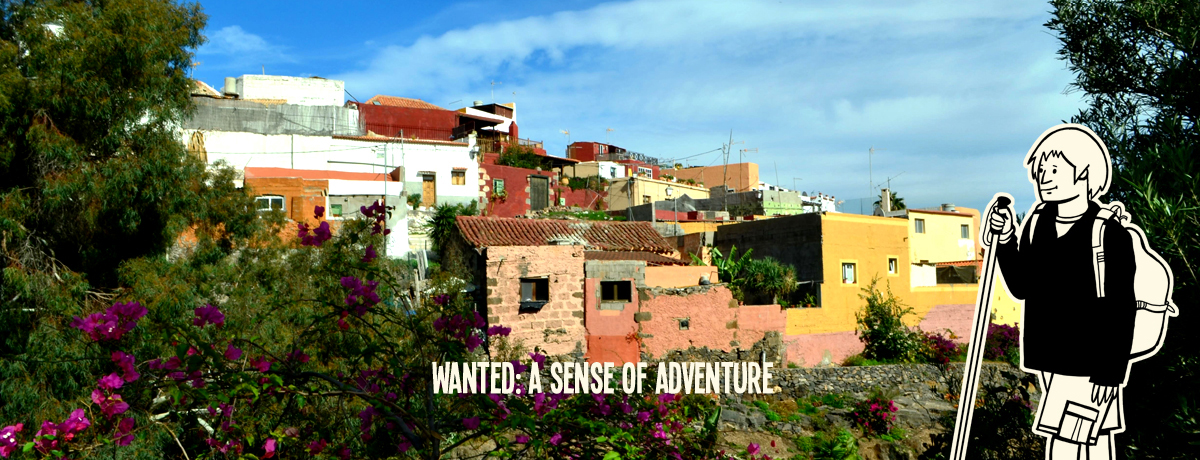
In the midlands of the island’s east, on the other side of the little ravine of Ingenio, crossing the famous bridge that years ago helped people to cross the stream that once ran down the gully, we find the picturesque neighbourhood of El Sequero.
Belonging to the historic centre of Ingenio, and though separated by a small watercourse, it remains one of the most emblematic places in the town. It sits on the upper edge of the urban area, and we reach it from the end of Rueda Street, which connects with this small quarter.
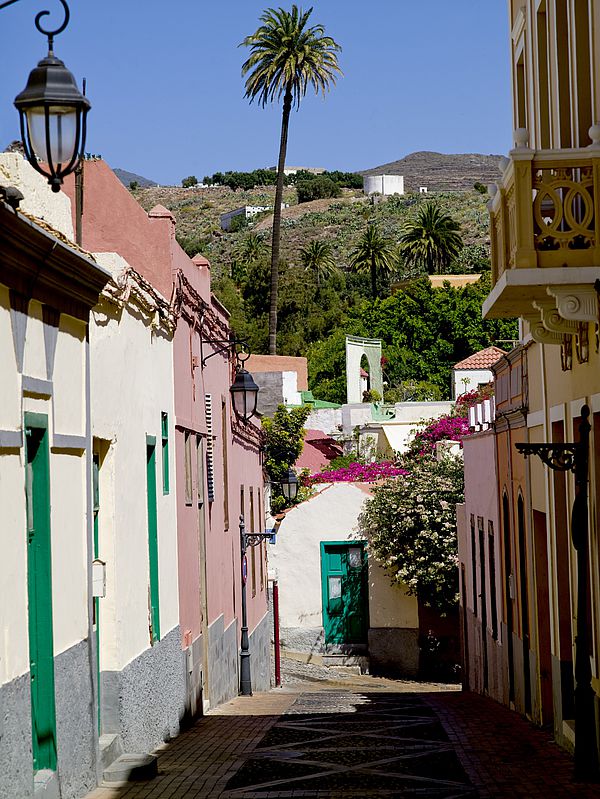
The bridge linking both neighbourhoods ceased to be essential years ago. In the past, it symbolised the alliance and connection between the two sides, as it was the obligatory crossing to reach the church and carry out other daily tasks, when the ravine waters still flowed frequently.
On the other side stands the Church of Nuestra Señora de la Candelaria, rebuilt using stone from the municipality itself in 1908. Before its reconstruction, the temple consisted of a small hermitage built – according to records – in 1560, a place where the first worshippers of the area gathered.
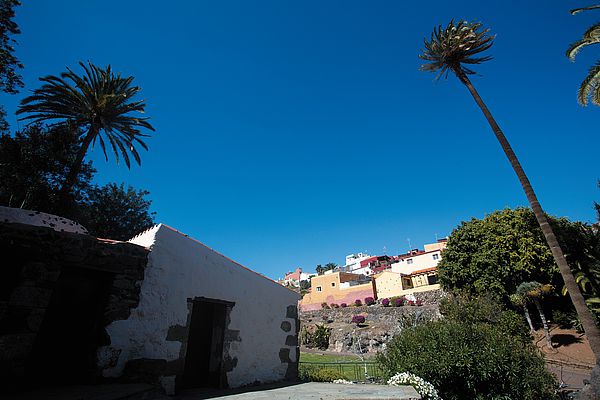
El Sequero is a charming corner of cobbled streets, traditional manor houses, estates and gardens. The lanes of this small district still preserve a certain purity that any passer-by can easily sense.
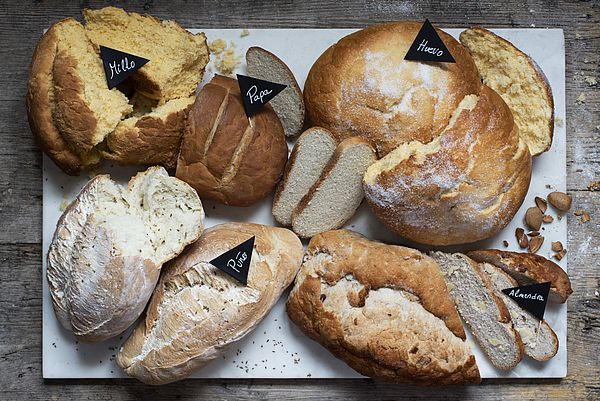
From here, it is not unusual to catch the scent of freshly baked bread. This helps us to understand the story of Ingenio and its neighbourhoods. As well as its evolution. Bread is one of the irreplaceable delights of the most traditional gastronomy of this locality. Here it is popularly known for its rounded shape as ‘Pan de Puño’ – Fist Bread.
In the village, there are still two traditional bakeries that continue to make this hearty, flavourful loaf, just as tradition dictates.
This neighbourhood is located within the municipality of Ingenio, whose name comes from the old sugar mills that once filled the area. These ingenios were small, rather rudimentary industrial facilities where sugar cane was pressed and processed, forming an important source of wealth on the island during the sixteenth and seventeenth centuries.
The first of these industries was built here in the sixteenth century. The sugar mills and cane fields spread rapidly across Gran Canaria. At first, through the ravines and midlands of the north, but the success of their export to the Americas soon extended the activity to other territories further south, such as Ingenio.
By the late sixteenth century, the expansion of this crop across the American continent caused a sharp drop in demand in European markets. This eventually led to the abandonment of the sugar plantations. It also brought about the gradual decay of the facilities once used for sugar production.
In this area, many place names are linked to cultivation. Indeed, El Sequero itself is one of them, as it was historically a region of land dedicated to growing wheat, barley and rye. Cereals that needed to be dried after harvest before being used to make flour. Even today, these products remain an inseparable part of the area’s most authentic flavour.
To reach El Sequero, head towards the town centre of Ingenio. Once there, find Rueda Street, which branches away from the urban core and descends into the small ravine where the famous bridge connecting both neighbourhoods stands.
This impressive ravine is one of the largest on the island. Its riverbed separates the municipalities of Ingenio and Agüimes, stretching from the coast all the way up to the summit. The valley rises in the south-eastern midlands and culminates at the Caldera de Los Marteles, an ancient volcanic crater standing at almost fifteen hundred metres above sea level. The area has been inhabited since pre-Hispanic times thanks to its rich flora and fauna and the abundance of water in its soil.
These unique environmental and cultural values, enclosed within this striking landscape, led to its declaration as a Natural Monument under the Canary Islands Law on Natural Areas, and as a Site of Cultural Interest, under the category of Archaeological Zone, by the Canary Islands Historical Heritage Law.
At the heart of the ravine lies a small, charming village filled with cave houses, a type of architecture typical of the region. Their construction ensures thermal stability, keeping the interiors warm in winter and cool in summer.
The area is also renowned for its extensive culinary offerings, with several restaurants carved into the rock that celebrate traditional Canarian cuisine. The perfect place to savour the most authentic flavours of Gran Canaria.