A place where the sound of pebbles dragged by the tide greets us among colourful houses at the edge of the Atlantic. Located in the capital of Gran Canaria, San Cristóbal is a fishing neighbourhood formed by a cluster of more or less uniform houses settled just a few metres from the sea, with an avenue and promenade and a small harbour dating from 1980.
This enclave stretches south of the city of Las Palmas de Gran Canaria and holds more than one hundred and fifty years of history that breathes tranquillity and tradition.
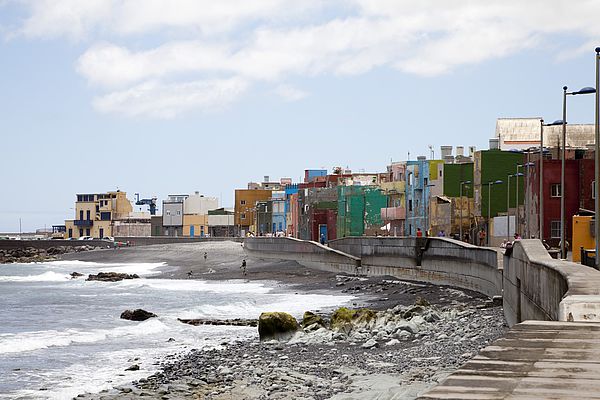
The fishermen who still remain there are those who know this coast best. They often turn to old photographs when they speak of the place. With them, it is generally easy to strike up conversation. They recall times past, such as when the chinchorro was cast, the traditional drag-net fishing method that was banned years ago.
They also speak of the ‘alga de millo’, known to scientists as sargassum vulgare, once abundant along this coast; they tell us it was eaten in times of hunger. As were the white crabs and mussels gathered from the rocks, now almost bare. With all these, they would make paellas – which, they say – have never tasted as good since.
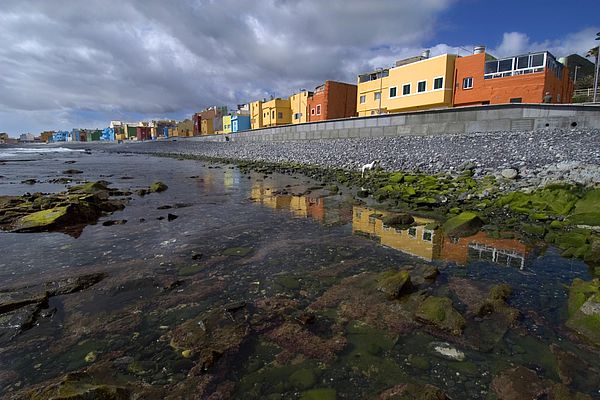
The picture today is quite different, and though the place remains a wonder, its fishermen assure us that this corner ceased to be the shoreline it once was long ago; for both the marine life and its people.
It used to be common to go barefoot to gather limpets or ‘burgaos’ – a far cry from deep-sea fishing, the most common practice today. Even so, its fishermen still supply the finest fishmongers in the city.
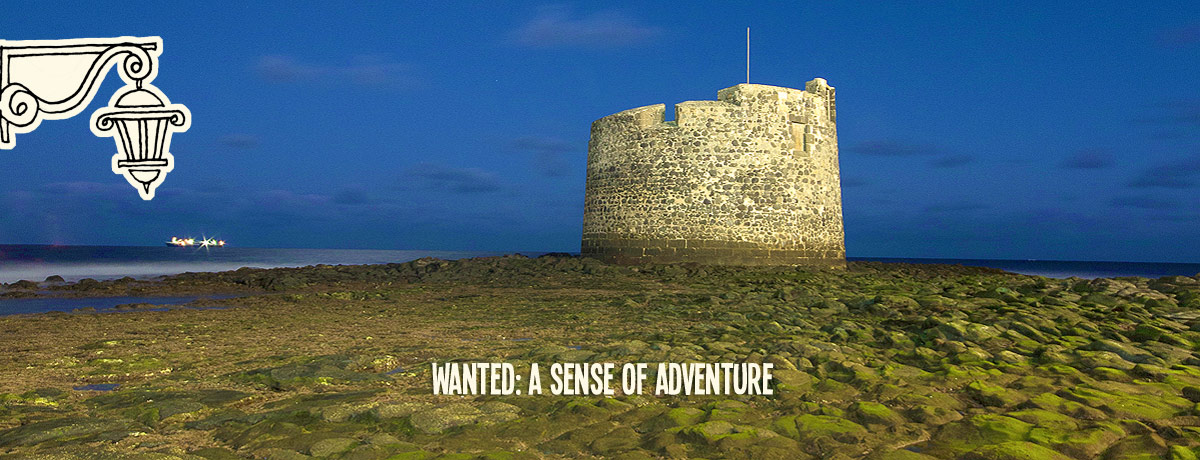
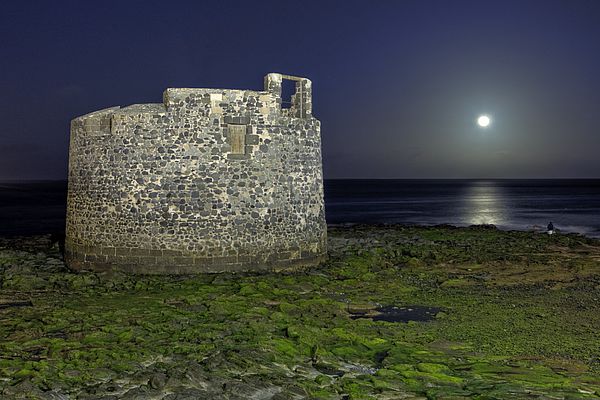
There they remain, as ever, the modest and colourful boats of traditional fishing, still giving life to a place that has always been a strategic enclave within the city. Many years ago, it was so from a defensive point of view, as shown by the Tower of San Pedro, declared a historic and artistic monument in 1922, popularly known as the Castle of San Cristóbal. A fortress raised over the sea for the defence and watch of this entrance to the city.
Today, San Cristóbal stands out for its picturesque, authentic and simple character. A pocket of tradition in the heart of a great open and cosmopolitan city.
To reach the capital, take the GC-1 – if coming from the south or the airport – or the GC-3 – if arriving from other directions – until you reach the Avenida Marítima of Las Palmas de Gran Canaria, continuing until the exit that leads towards the district of San Cristóbal.
Las Palmas de Gran Canaria is the island’s most important city, with nearly four hundred thousand inhabitants. It is the largest urban and economic centre of the archipelago and home to one of the country’s main ports.
Its historic quarter stands out with the neighbourhoods of Vegueta and Triana. Places that exude the most authentic essence of the capital’s history. Inspired by the bourgeois quarters of Andalusia and influenced by architectural trends that later arrived from the Americas, their cobbled streets lined with balconied houses and patios brimming with plants are the main image of this corner.
These neighbourhoods are home to numerous emblematic buildings that tell the story of the city and of the archipelago: such as the Canarian Museum or the Casa de Colón Museum. And their focal point is the Plaza de Santa Ana, where the Town Halls of Las Palmas de Gran Canaria and the Cathedral of Santa Ana converge.
To the north of the city lies the great beach of Las Canteras, a stretch of sand over three kilometres long, protected by a reef of rocks and coral that makes its waters perfect for bathing. It extends from the Alfredo Kraus Auditorium to El Confital. It is the main hub of urban life in the city. It is frequented by numerous leisure and hospitality businesses and serves as a setting for many outdoor sports.
During the winter months, its famous Sand Nativity Scene is well known, an original interpretation of the traditional Christmas cribs which, unlike the conventional ones, depicts different scenes sculpted in sand along a uniquely creative route, also on Las Canteras Beach.
The city is also a regular stop for numerous cruise ships during the season, with the areas of Santa Catalina and the Rambla de Mesa y López among the busiest spots for visitors arriving from the harbour.