«La cultura, el turismo, el paisaje, la ecología y el rendimiento práctico se unen para evitar que se pierdan las salinas y para que todos podamos disfrutar de una actividad casi desaparecida, pero que en otro tiempo fue importante, cuando el hielo no existía», escribía el artista César Manrique en el prólogo del gran libro de las salinas canarias «El jardín de la sal».
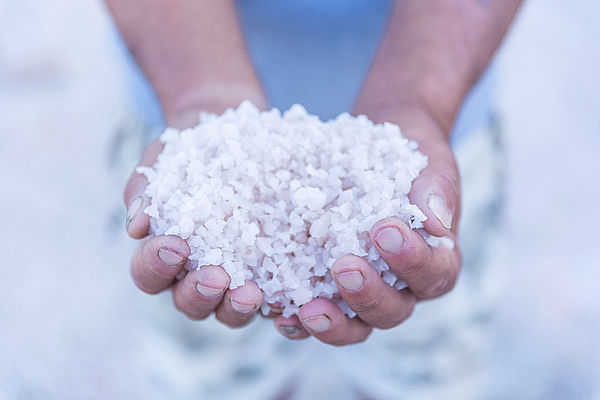
En Gran Canaria son cuatro las salinas que quedan en activo —de las 25 que llegó a haber en siglos pasados—, produciendo blanquísima sal marina de gran calidad por tratarse de salinas tradicionales intensivas donde cristaliza en pequeños recipientes, los tajos, gracias a la acción del sol y el viento (te contamos más de la sal marina de Gran Canaria aquí).
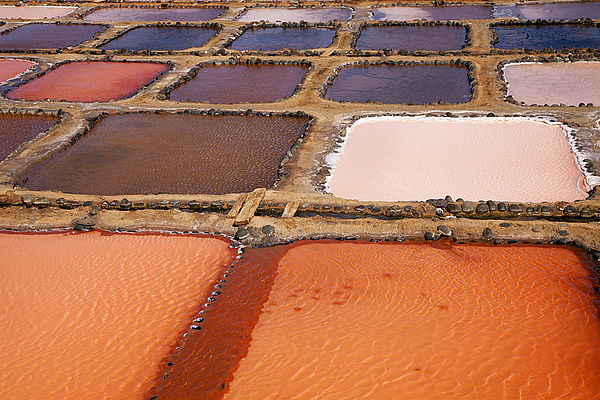
Forman parte de la historia de las pesquerías en el archipiélago canario y constituyen un paisaje de gran interés no sólo por su atractivo visual, sino por la importancia de la biodiversidad que genera. Ubicadas en el mismo borde costero, suelen localizarse saladares junto a ellas, zonas húmedas que permiten la observación de aves migratorias. «Sólo por su flora y fauna, las salinas tendrían un interés ecológico máximo, pero existe un factor que multiplica este valor de modo extraordinario: el hecho de que sea lugar de descanso, comida y, a veces, cría para muchas aves migratorias acuáticas», detallan los autores del libro que citamos (Luengo y Marín).
Acercarse a ver las cuatro en producción en la Isla es relativamente fácil: tres las podemos encontrar en el litoral del municipio de Agüimes aunque ninguna de ellas es visitable, por lo que no deberemos acceder al interior de las mismas sin autorización: las de Bocacangrejo y La Florida, muy cercanas entre sí, están próximas a la playa de Vargas; las de Arinaga (declaradas Bien de Interés Cultural como sitio etnológico) se encuentran al final del polígono industrial de Arinaga, junto a la playa y el pueblo del mismo nombre.
Las cuartas salinas que nos falta citar son las de Tenefé (también declaradas Bien de Interés Cultural con la denominación de Salinas de Pozo Izquierdo). No muy lejos de las anteriores, pero en la costa del municipio de Santa Lucía de Tirajana y próximas a la localidad y playa de Pozo Izquierdo, éstas sí son visitables y conocerlas es recomendable por la belleza de estos ecosistemas creados por la actividad humana.
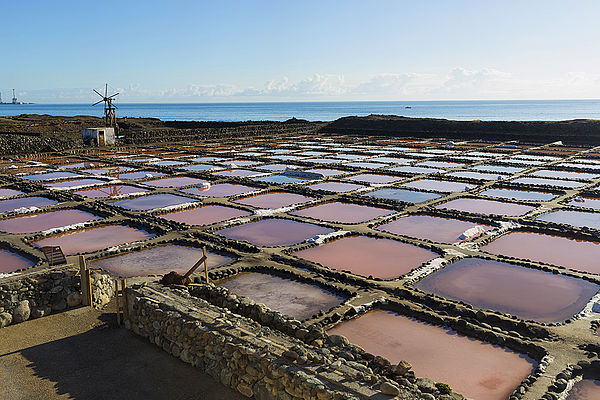
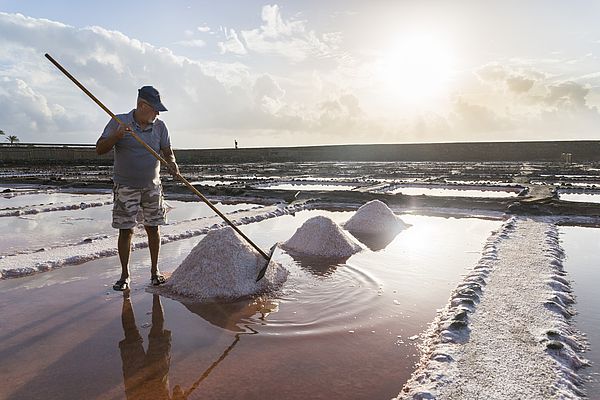
De visita, de compras. En las salinas de Tenefé —que datan de finales del siglo XVIII y con una superficie útil de 20.000 metros cuadrados— podremos conocer en plena actividad cómo funcionan las denominadas «salinas antiguas de barro» en Canarias. Cuenta con centro de interpretación, tienda y centro de degustación en lo que era la antigua casa del salinero; en una pequeña terraza con vistas a las propias salinas se puede disfrutar del entorno mientras se degusta aguacate o tomate aliñados con la sal del lugar, también queso, croquetas artesanas, carne de cochino o atún a la plancha. Puedes contactar con las salinas Tenefé en el (+34) 828 013 018 o en el correo electrónico info@brcinfraestructuras.com.
La gama de productos propiamente salineros disponibles en la tienda son flor de sal, escamas de sal, sal fina de mesa y lágrimas de sal.
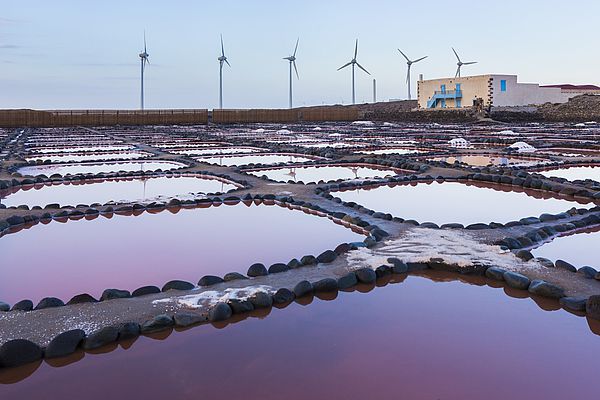
En las salinas de Bocacangrejo también disponen de una variada gama gourmet de sales, a la venta en comercios de la Isla, supermercados de la cadena Spar y los grandes almacenes El Corte Inglés de la avenida Mesa y López, en Las Palmas: sal marina virgen, flor de sal, rocas de sal, escamas de sal y sal marina húmeda especial para arroces.
Que las disfruten y no olviden consumirlas con moderación.